Applied Research Design and Methodology
Methodological Structural Logic
The Architecture of Inquiry
Every solid research project is built on a logical foundation. It's not a random collection of methods and ideas, but a carefully constructed argument where each piece supports the next. The core of this structure is the powerful link between the research problem, its purpose, and the specific questions you set out to answer. This connection, often called the problem-purpose-questions nexus, acts as the blueprint for your entire study.
The function of a research design is to ensure that the evidence obtained enables you to effectively address the research problem logically and as unambiguously as possible.
Think of it this way: The problem is the gap you've identified—a puzzle in the existing literature or an issue in the professional world that needs a solution. The purpose is your mission statement; it declares what you intend to do to address that problem. The research questions are the specific, focused steps you'll take to fulfill that purpose. Each flows directly from the one before it.
This top-down logic ensures your study is focused. You aren't just asking interesting questions; you're asking questions that directly contribute to solving a specific, stated problem.
Maintaining Structural Alignment
With the blueprint in place, every subsequent choice must align with it. This is the principle of structural consistency. Your methodology—how you collect and analyze data—isn't chosen from a menu of options. It's a direct, logical consequence of your research questions.
If a research question asks 'why,' a quantitative survey that only answers 'how many' is misaligned. If the question is about lived experiences, statistical analysis of census data won't provide the answer.
This alignment is what gives a study its integrity. Each part of the research architecture must be defensible in relation to the questions asked. Why this specific survey instrument? Because it measures the exact variables in your research question. Why these participants? Because they represent the population your study aims to understand. This chain of logic is the backbone of a rigorous design.
A crucial step in maintaining alignment is translating your research questions into measurable objectives. A question is an inquiry; an objective is a tangible goal. This translation makes your plan concrete.
| Research Question | Measurable Objective |
|---|---|
| How does remote work affect employee productivity? | To compare the weekly output metrics of employees working remotely versus those in-office over a six-month period. |
| What are the key factors in customer loyalty for e-commerce? | To identify and rank the top five drivers of repeat purchases through a survey of 500 customers. |
| What is the lived experience of first-generation college students? | To conduct and thematically analyze in-depth interviews with 15 first-generation students to understand their challenges and successes. |
Avoiding the Cookie-Cutter Trap
In professional environments, it's tempting to find a research design that worked once and apply it to every new problem. This is the 'cookie-cutter' trap. It prioritizes the method over the problem, leading to forced, and often invalid, results. A survey might be perfect for gauging broad opinions, but it's the wrong tool for understanding a complex, nuanced process.
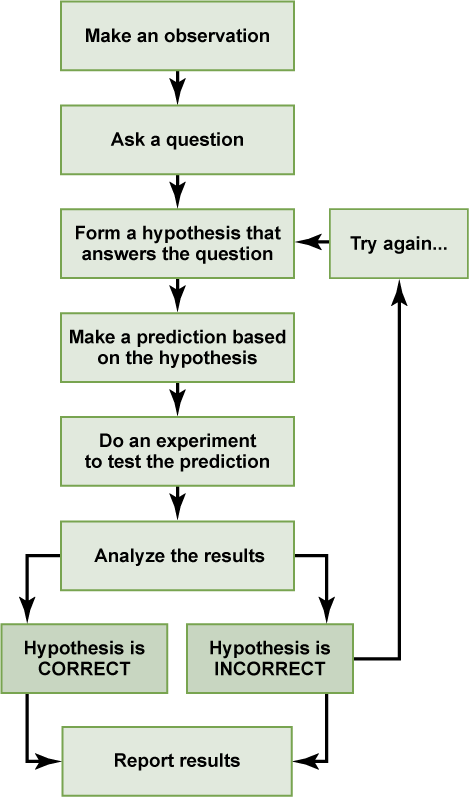
A truly professional research design is custom-built. It starts with the unique demands of the problem and purpose, which then dictate the questions, which in turn determine the most logical and defensible methods. This approach ensures that the design serves the research, not the other way around. It's the difference between forcing a square peg into a round hole and crafting a tool perfectly suited for the job at hand. This commitment to custom, rigorous design is what ensures your findings are both valid and reliable.
What is the primary function of the problem-purpose-questions nexus in a research project?
According to the principle of structural consistency, the choice of a specific research methodology should be a direct, logical consequence of the...
Building a solid research study is about creating a logical, interconnected structure. Each decision must clearly and defensibly link back to the core problem you set out to solve.