Applied Neurology in Practice
Neuroanatomy
The Nervous System's Blueprint
Your nervous system is the body's intricate command and communication network. It's split into two main parts: the Central Nervous System (CNS) and the Peripheral Nervous System (PNS).
The CNS is the processing center. It consists of the brain and the spinal cord. Think of it as the headquarters where all major decisions are made. The PNS is the network of nerves that extends from the CNS to the rest of your body, including your limbs and organs. It's the system of messengers that carries signals to and from headquarters.
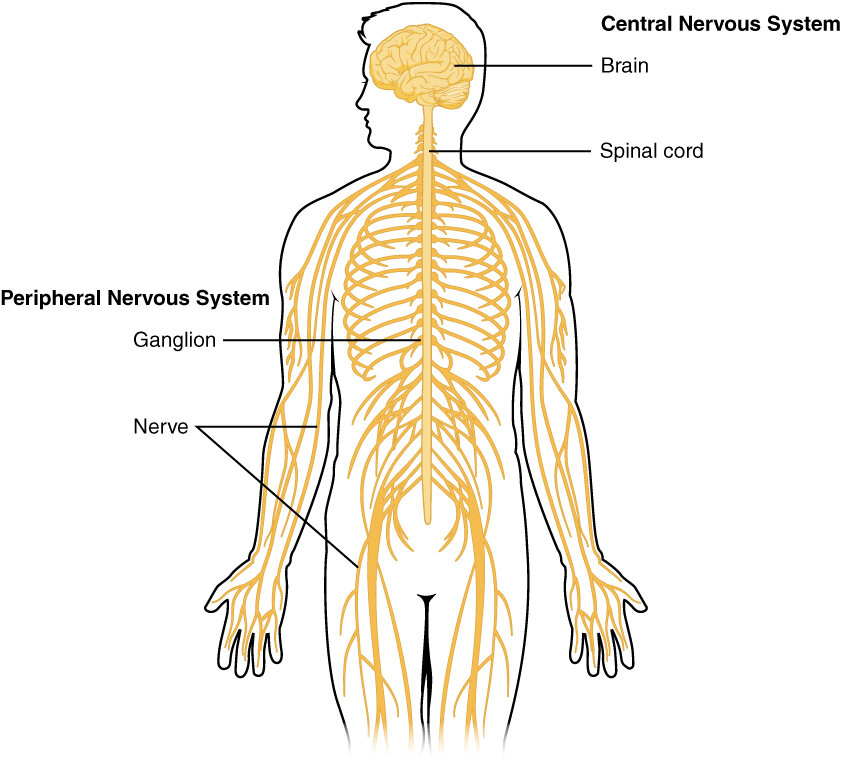
The Central Command Center
The brain is the most complex organ in the body, responsible for thought, memory, emotion, and controlling body functions. It has three main parts: the cerebrum, the cerebellum, and the brainstem.
The cerebrum is the largest part, divided into two hemispheres. Its wrinkled outer layer, the cerebral cortex, is responsible for higher-level functions like language and reasoning. The cerebellum, located at the back, coordinates voluntary movements like balance and posture. The brainstem connects the cerebrum and cerebellum to the spinal cord, managing essential functions like breathing and heart rate.
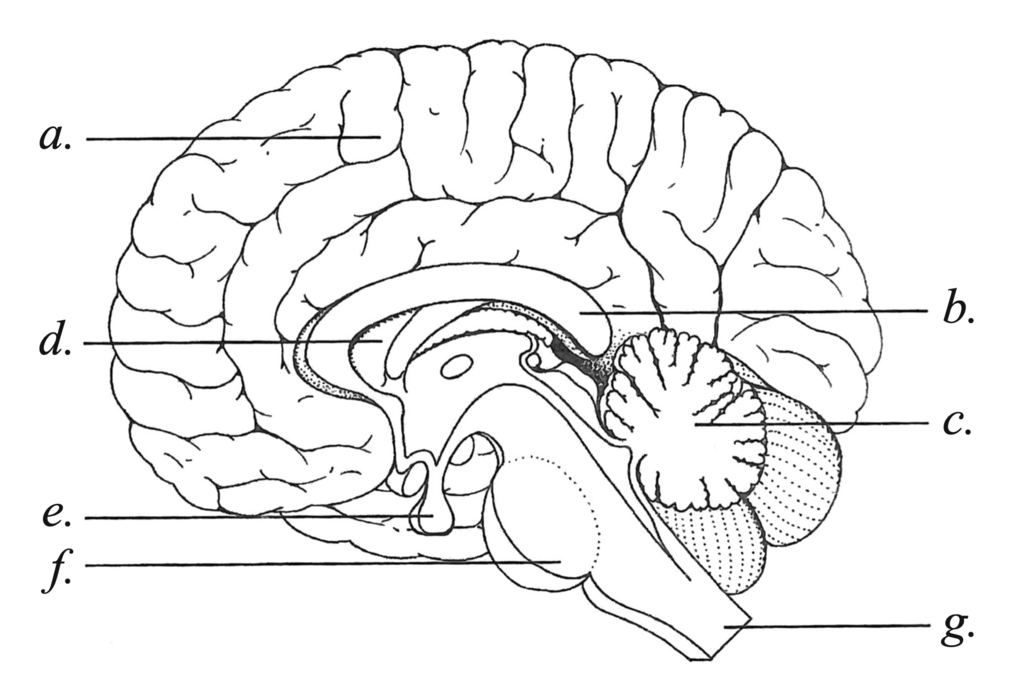
The cerebrum is further divided into four main lobes, each with specialized roles.
| Lobe | Primary Functions |
|---|---|
| Frontal | Planning, problem-solving, personality, motor control |
| Parietal | Processing sensory information like touch, temperature, and pain |
| Temporal | Hearing, memory, language comprehension |
| Occipital | Processing visual information |
Extending from the brainstem is the spinal cord, a long bundle of nerve tissue that acts as the main pathway for information connecting the brain and the PNS. It's protected by the vertebrae of your spine.
A cross-section of the spinal cord reveals a butterfly-shaped core of gray matter, which contains neuron cell bodies. This is surrounded by white matter, made up of myelinated nerve fibers (axons) that transmit signals up and down the cord.
The Body's Network
The Peripheral Nervous System includes all the nerves that branch out from the brain and spinal cord. It connects the CNS to the rest of the body. The PNS itself has two major divisions.
The first is the Somatic Nervous System, which controls voluntary movements. When you decide to pick up a book, your somatic system carries the message from your brain to your hand muscles.
The second is the Autonomic Nervous System, which regulates involuntary functions like your heartbeat, digestion, and breathing. You don't have to think about these things; the autonomic system handles them automatically.
The autonomic system is further split into two competing branches: the sympathetic and parasympathetic divisions. The sympathetic division prepares the body for “fight or flight” responses during times of stress. It increases heart rate and alertness. The parasympathetic division handles “rest and digest” functions, calming the body down and conserving energy.
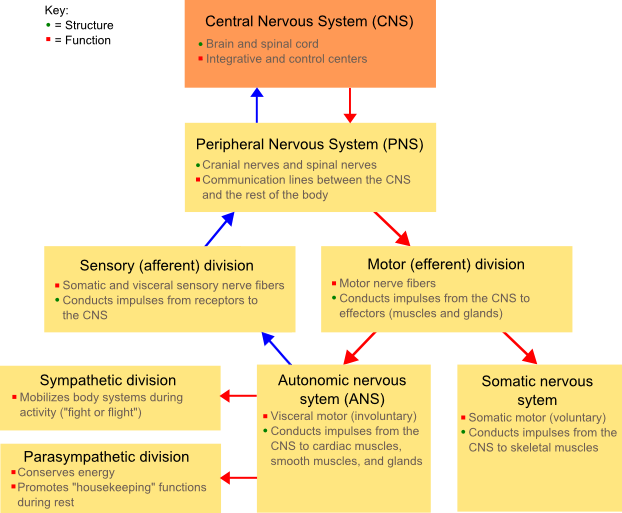
Information Highways
Neural pathways are the routes that nerve signals follow through the brain and body. They are essentially chains of connected neurons that transmit specific types of information. These pathways ensure that a signal from a fingertip reaches the right part of the brain, and a command to move a leg gets to the correct muscles.
Pathways that carry sensory information from the body to the brain are called ascending (or sensory) pathways. Pathways that carry motor commands from the brain to the body are called descending (or motor) pathways.
For example, when you touch a hot stove, an ascending pathway instantly carries the pain signal from your hand, up the spinal cord, to your brain. In response, a descending pathway carries the command from your brain back down your spinal cord to the muscles in your arm, telling them to pull your hand away.
Now, let's test your understanding of these foundational concepts.
What are the two main components of the Central Nervous System (CNS)?
If you are relaxing after a large meal and your heart rate is slow and your digestion is active, which division of the nervous system is primarily in control?