Applied Epidemiological Methods and Analysis
Study Design Selection
Selecting Your Study Blueprint
Once a research question is clear, the next crucial step is choosing a study design. This decision is the architectural blueprint for your investigation. It dictates how you'll gather evidence, the strength of your conclusions, and the resources you'll need. The right design aligns with your research goals, whether you're exploring a new hypothesis or confirming an existing one.
Study design is the framework that determines what questions researchers can answer and how reliable their conclusions will be.
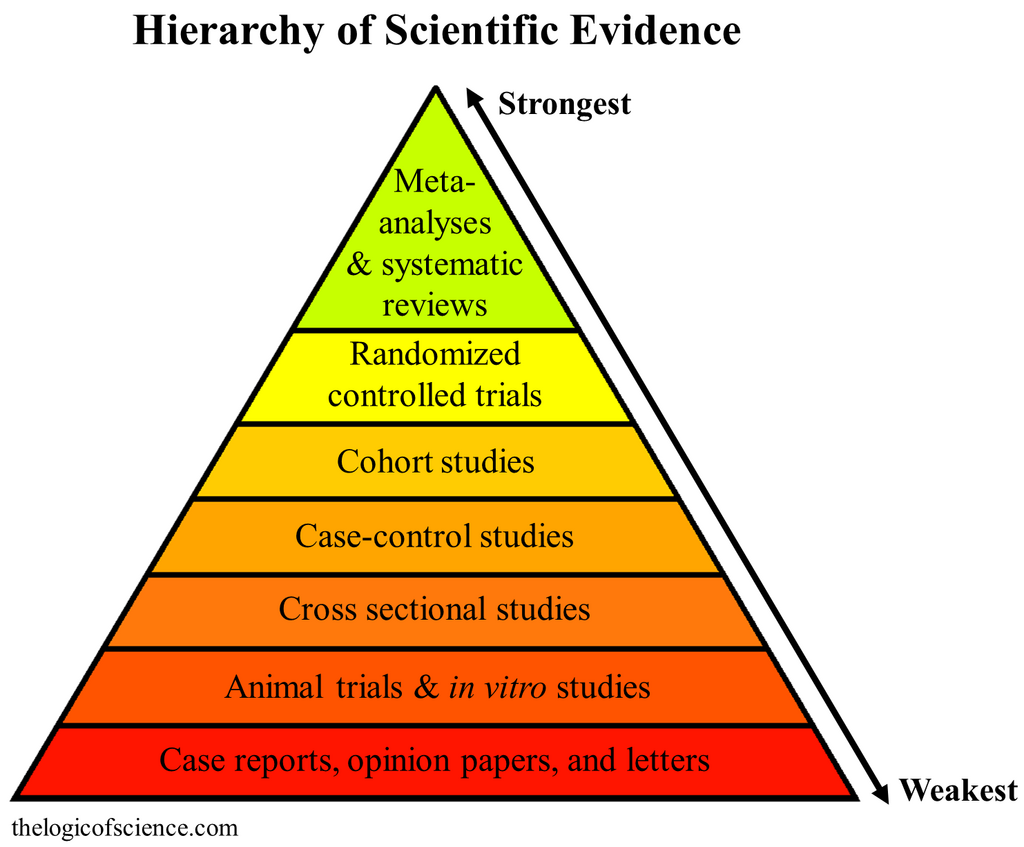
Not all evidence is created equal. Different study designs produce findings with varying levels of certainty. This concept is often visualized as a pyramid, with the most rigorous, bias-resistant designs at the top. While randomized controlled trials (RCTs) and systematic reviews sit at the apex, they aren't always feasible or ethical. Much of epidemiology relies on observational studies, which form the foundation of this hierarchy.
Cohort Studies: Following the Clues
Cohort studies are the workhorses of epidemiology. They follow groups of people over time to see how exposures affect outcomes. The core principle is directionality: you start with an exposure and move forward to observe disease development.
There are two main types of cohort studies, distinguished by their relationship to the passage of time. In a prospective cohort study, researchers identify a group of individuals, measure their exposure status, and then follow them into the future to see who develops the outcome. This forward-looking approach allows for careful, real-time data collection but can be very time-consuming and expensive.
Alternatively, a retrospective cohort study uses existing data. Researchers look back in time to identify a cohort and their past exposures, then track them forward in historical records to the present to determine outcomes. This is much faster and cheaper, but it relies heavily on the quality and completeness of pre-existing records, such as medical charts or employment files.
| Feature | Prospective Cohort | Retrospective Cohort |
|---|---|---|
| Timeline | Forward-looking (data collected over time) | Backward-looking (uses historical data) |
| Cost | High | Low |
| Time | Long (years or decades) | Short (months) |
| Data Quality | High (controlled and specific) | Variable (depends on record quality) |
| Best For | Common exposures; establishing temporality | Rare exposures; outbreaks; limited budgets |
The key strength of any cohort study is its ability to establish temporality. By starting with the exposure and observing the outcome later, you can be more certain that the exposure preceded the disease. This is a critical piece of the puzzle when trying to infer causation.
Case-Control: Working Backwards
What if the disease you're studying is very rare? Following a large cohort for years might yield only a handful of cases, making a cohort study impractical. This is where the design shines. Its directionality is reversed: it starts with the outcome and looks backward for the exposure.
Researchers identify a group of individuals who have the disease (the 'cases') and a comparable group who do not (the 'controls'). They then look back in time, often through interviews or records, to compare the frequency of past exposures between the two groups. If a particular exposure is found more often among the cases than the controls, it suggests an association with the disease.
Case-control studies are highly efficient for studying rare diseases or outcomes with long latency periods.
The main challenge is —ensuring that the control group is truly representative of the population from which the cases arose. Another is recall bias, where cases (who may have spent a lot of time thinking about what made them ill) might remember past exposures differently than healthy controls.
A clever hybrid design is the nested case-control study. It's conducted within an existing cohort study. When cases of a disease emerge in the cohort, researchers select a few controls from the same cohort who have not yet developed the disease. They then analyse stored samples or data only for these specific cases and controls. This approach is much cheaper and faster than analysing data for the entire cohort, while still benefiting from the high-quality, prospectively collected data.
Cross-Sectional: A Snapshot in Time
The simplest design is the cross-sectional study. It measures both exposure and outcome at the exact same time, providing a snapshot of a population's health at a single point. Think of it like a census or a one-time survey.
These studies are quick, easy, and relatively inexpensive. They are excellent for determining the of a disease or risk factor in a community and can be useful for generating hypotheses. For example, a survey might find that people who report higher stress levels also report more frequent headaches.
However, their major limitation is temporality. Because exposure and outcome are measured simultaneously, you can't be sure which came first. Did the stress cause the headaches, or do the headaches cause people to feel stressed? This inability to determine the sequence of events means cross-sectional studies can show associations, but they are weak at providing evidence for causation.
Ready to test your understanding of these epidemiological blueprints?
A researcher wants to investigate the link between long-term mobile phone use and a very rare type of brain tumour. Which study design would be most efficient and practical for this research question?
What is the primary strength of a cohort study when it comes to inferring causation?
Choosing the right study design involves a series of trade-offs between scientific rigour, cost, time, and the specific question being asked. There is no single 'best' design, only the one that is most appropriate for the task at hand.