Applied Emotional Intelligence Mastery
Advanced Self-Regulation
Beyond Impulse Control
You already know that self-awareness is the bedrock of emotional intelligence. But in high-stakes moments—a tough negotiation, a critical presentation, or a heated personal conflict—awareness alone isn't enough. You need to actively manage your internal state. This is advanced self-regulation: moving beyond simply noticing your feelings to skillfully navigating them in real time.
The Amygdala Hijack
When the stakes are high, your brain can perceive a threat, whether it's real or just a disagreement over a spreadsheet. This triggers an , an immediate and overwhelming emotional response that floods your system with stress hormones like cortisol and adrenaline. Your ability to think rationally plummets as your brain's primitive survival centre takes over. Suddenly, you're not a strategist; you're a cornered animal ready to fight, flee, or freeze. This physiological response is incredibly fast, bypassing your rational mind entirely.
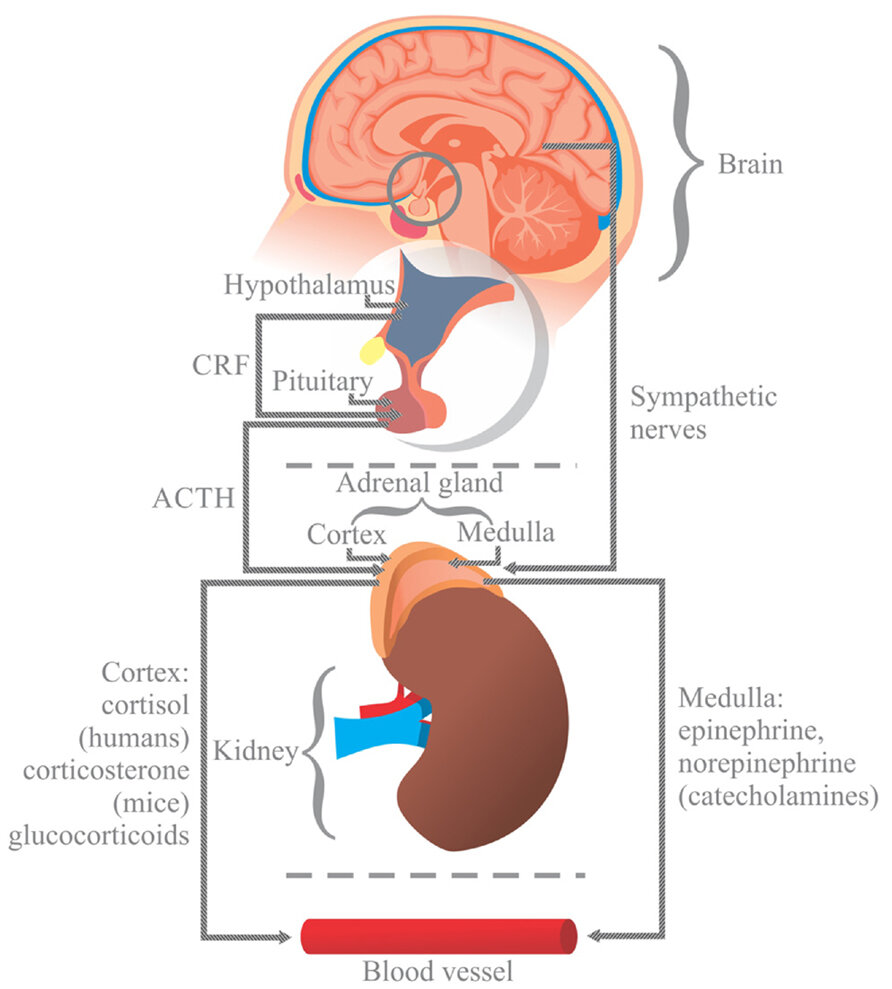
Recognising this hijack is the first step. The key is to catch it before it dictates your behaviour. To do that, you need to become fluent in your body's own early warning system.
Taming the Hijack
Advanced self-regulation isn't about suppressing emotion. It's about creating a crucial gap between emotional impulse and considered response. This starts with tuning into the subtle physiological cues that precede a full-blown hijack. These are your —the faint whispers from your body that something is amiss.
Think of a clenched jaw, a tightening in your chest, or the heat rising in your face. These are not random sensations; they are data. By identifying your personal somatic markers, you can spot the earliest signs of a stress response, giving you precious seconds to intervene before you lose control. One effective intervention is the 'Pause-Process-Proceed' framework.
| Step | Action | Purpose |
|---|---|---|
| Pause | Stop talking. Take a deliberate breath. | Create space between stimulus and reaction. |
| Process | Acknowledge the emotion. Reframe the situation. | Shift from a threat mindset to a problem-solving one. |
| Proceed | Choose a response that aligns with your long-term goals. | Act with intention, not impulse. |
This framework is especially powerful when paired with the 6-second rule. It takes about six seconds for the initial rush of stress hormones to be metabolised by the body. A deliberate pause of this length literally gives your brain chemistry time to reset, allowing your prefrontal cortex—the home of rational thought—to come back online.
The 'Process' step is where the most advanced work happens, primarily through cognitive reappraisal. You actively challenge your initial interpretation of the event. Is this situation a threat, or is it a challenge? Is this person attacking me, or are they expressing their own stress poorly? By reframing the narrative, you change the emotional equation.
Authenticity vs. Restraint
A common concern is whether this level of self-regulation is inauthentic. Does it mean becoming a robot, devoid of genuine feeling? Not at all. The goal isn't to eliminate emotions but to choose how and when to express them. Strategic restraint is about prioritising your long-term goals over a short-term emotional release.

In a heated negotiation, blurting out your frustration might feel authentic, but it will likely sabotage the deal. Holding back that impulse, processing the feeling, and then responding calmly is a higher form of authenticity—one that is aligned with your ultimate objective. It's the difference between being a slave to your emotions and being the master of them.
What is an "amygdala hijack"?
The subtle physiological cues that act as an early warning system for a stress response, such as a clenched jaw or a tightening in the chest, are known as ______.