Applied Critical Thinking Frameworks
Cognitive Bias Analysis
The Hidden Traps in Expert Thinking
We often assume experts are immune to the mental shortcuts that trip up the rest of us. But cognitive biases don't just disappear with experience. In fact, in high-stakes fields like finance and medicine, they can become even more subtle and dangerous. These biases often interlock, creating systemic errors that even seasoned professionals fail to spot. Let's move beyond simple definitions and analyze how these biases operate under pressure.
The Domino Effect of Ideas
An idea starts small. A news report, a social media post, a conversation. It's repeated, shared, and discussed, gaining momentum. Soon, it's everywhere, and its prevalence makes it seem true. This is the at work. It's a self-reinforcing cycle where a collective belief gains more and more plausibility as it spreads through public discourse. The more we hear about something, the more available it is in our minds, and the more important we judge it to be.
The cascade is amplified by social proof. When we're uncertain, we look to others for cues about how to act and what to believe. If everyone seems to be worried about a particular stock or a rare disease, we assume they must know something we don't. This herd behavior feels safe, but it can lead entire groups of experts astray, causing them to overlook more probable, less dramatic realities.
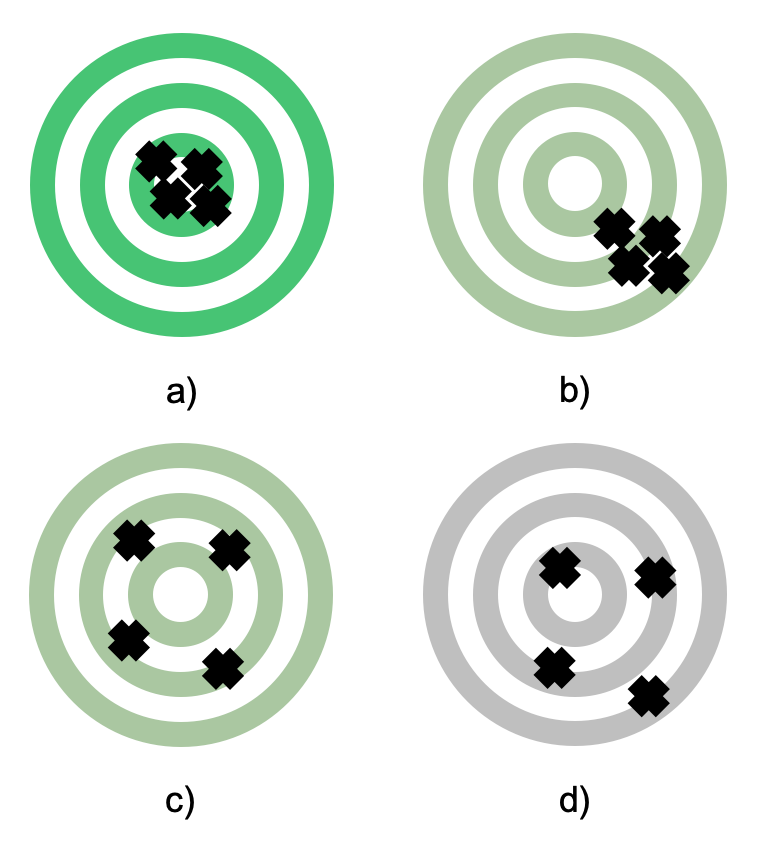
When Statistics Deceive
Imagine a doctor sees a patient with a set of unusual symptoms that perfectly match a rare, exotic disease featured in a recent medical journal. The doctor might be tempted to diagnose that disease, even if it only affects one in a million people. Meanwhile, the symptoms could also be an atypical presentation of a common flu, which affects millions. Focusing on the specific, vivid story while ignoring the general statistical reality is known as the base rate fallacy-a-k-a-b-a-s-e-r-a-t-e-n-e-g-l-e-c-t.
This bias is incredibly common in data analysis and forecasting. A financial analyst might get a tip about a small startup with a revolutionary product. The specific story is compelling: a brilliant team, a groundbreaking idea. The analyst might pour investment into it, ignoring the base rate: the vast majority of startups fail. The narrative power of the specific case overwhelms the cold, hard probability of the general case. To counter this, you have to consciously ask: What is the base rate? How often does this outcome actually happen in general?
The Confidence Trap
Ironically, a little knowledge can be a dangerous thing. The describes a cognitive bias where people with low ability in a domain tend to overestimate their competence. They don't just perform poorly; they're also unable to recognize their own errors. Think of an amateur investor who, after a few lucky stock picks, believes they have the Midas touch and starts taking huge, uninformed risks.
On the flip side, true experts often underestimate their relative competence. They're so aware of the nuances and complexities of their field that they assume tasks easy for them are also easy for others. This mismatch can cause communication breakdowns, flawed project planning, and a failure to appreciate genuine expertise. Both ends of the spectrum—the confident novice and the self-doubting expert—create blind spots.
Another bias driven by feeling is the affect heuristic. This is a mental shortcut where we make decisions based heavily on our current emotional state. If something makes us feel good, we perceive it as having high benefit and low risk. If it makes us feel bad, we see it as low benefit and high risk. A manager might reject a promising but complex project because the thought of implementing it causes anxiety, opting instead for a less effective but more comfortable solution. This gut reaction can overpower a rational analysis of costs and benefits.
Perhaps the most insidious bias is the bias blind spot. This is the tendency to see biases in others but fail to recognize them in ourselves. We are very good at identifying the shortcuts and flawed reasoning in our colleagues' decisions, but we believe our own judgments are objective and rational. This happens because many biases operate unconsciously. We see the final outcome of our thought process, which feels coherent and justified, but we're unaware of the hidden influences that shaped it.
Recognizing that you have a [{
}] is the first, and most difficult, step toward clearer thinking. It requires intellectual humility—the acceptance that your brain, just like everyone else's, takes shortcuts.
To be continued...