Application Layer Security PGP and S/MIME
Introduction to Application Layer Security
Where Your Data Lives
Every time you send an email, browse a website, or use a messaging app, you're interacting with the application layer. Think of it as the top floor of the internet's skyscraper—it's the part we actually see and use. It’s where your web browser requests a page or your email client prepares to send a message. All the complex networking happens on the floors below, but the application layer is where the data is created and consumed in a human-readable format.
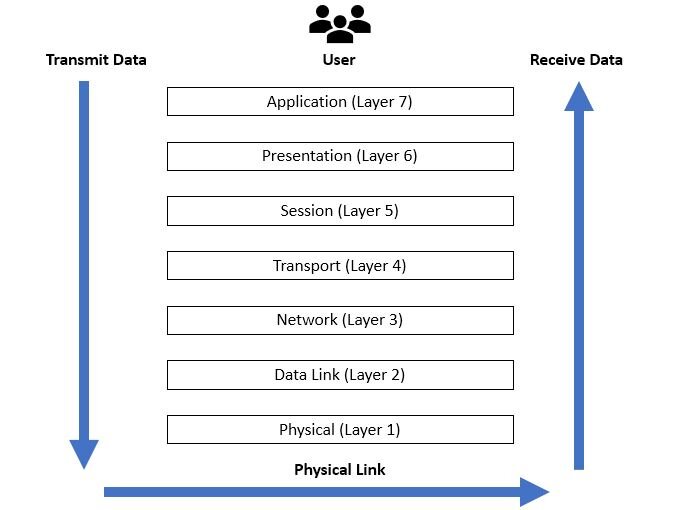
Because this is where our data starts and ends its journey, securing it here is critical. If we don't protect information at this level, it's like writing a secret on a postcard and dropping it in the mail. Anyone who intercepts it along the way can read it. Application layer security focuses on protecting this data while it's being handled by the software, ensuring that your messages, files, and personal information remain confidential and aren't tampered with before they even get sent across the network.
Application layer is the top most layer of TCP/IP model.
What We're Up Against
The application layer faces a unique set of threats precisely because it’s so close to the user. Attackers target this layer to exploit vulnerabilities in the software we use daily. They aren't trying to break the underlying network infrastructure; they're trying to trick the applications themselves.
| Threat | How It Works |
|---|---|
| Data Interception | An attacker eavesdrops on your connection, reading your emails or capturing your login details as you type them. |
| Data Tampering | Someone intercepts your message and alters it before it reaches the recipient, changing its meaning or injecting malicious content. |
| Spoofing & Impersonation | An attacker pretends to be a legitimate user or service to trick you into revealing sensitive information. |
| Cross-Site Scripting (XSS) | Malicious scripts are injected into trusted websites, which then run on a user's browser to steal information. |
| SQL Injection | An attacker inserts malicious SQL code into a web form to gain unauthorized access to a database. |
These attacks succeed when applications fail to validate, encrypt, or properly handle the data they manage. The consequences can range from stolen passwords to compromised company secrets.
Lines of Defense
To counter these threats, we need security measures that work at the application level. The goal is to build protection directly into the software. This involves several key strategies that ensure data is safe from the moment we hit 'send' or 'submit'.
Think of it as adding a lock and a tamper-proof seal to your digital mail. It doesn't matter how the mail is transported, because the letter itself is secure.
The primary tool for this is encryption. By scrambling data before it leaves the application, we make it unreadable to anyone without the proper key. This ensures confidentiality. Another crucial measure is authentication, which verifies that all parties in a communication are who they claim to be. This helps prevent spoofing and impersonation.
Finally, data integrity checks use digital signatures and other methods to confirm that a message hasn't been altered in transit. Together, these measures create a secure environment for our applications to communicate. In the coming sections, we'll explore specific protocols like PGP and S/MIME that put these principles into practice.
Ready to test your knowledge on application layer security fundamentals?
What is the primary role of the application layer in the internet's structure?
Why is security at the application layer so critical?