Apples An Overview
Apple Biology
The Apple's Family Tree
Every living thing has a scientific name that helps us understand its relationships. The apple's is Malus domestica. The first part, Malus, is the genus, which includes other related species like crabapples. The second part, domestica, tells us it's the domesticated species we all know and eat.
Apple trees belong to a large and surprising family called Rosaceae, the rose family. That means apples are cousins to not just roses, but also to pears, cherries, peaches, and even almonds. They are all flowering plants, or angiosperms, which means they produce flowers and develop fruits that enclose their seeds.
| Classification | Name |
|---|---|
| Kingdom | Plantae |
| Phylum | Angiosperms |
| Class | Eudicots |
| Order | Rosales |
| Family | Rosaceae |
| Genus | Malus |
| Species | domestica |
From Root to Fruit
An apple tree is a complex system where every part has a job. Let's break down its anatomy from the ground up.
Roots: The tree's foundation, the root system, works mostly unseen beneath the soil. Its two main jobs are to anchor the massive tree firmly in the ground and to act like a sponge, absorbing water and essential mineral nutrients from the soil.
Stem and Branches: The trunk (or stem) and branches give the tree its shape and strength. But they're also a sophisticated plumbing system. Two types of vascular tissue run through them. Xylem transports water and minerals up from the roots to the rest of the tree. Phloem carries sugars, created in the leaves during photosynthesis, down to fuel other parts of the tree, like the roots and developing apples.
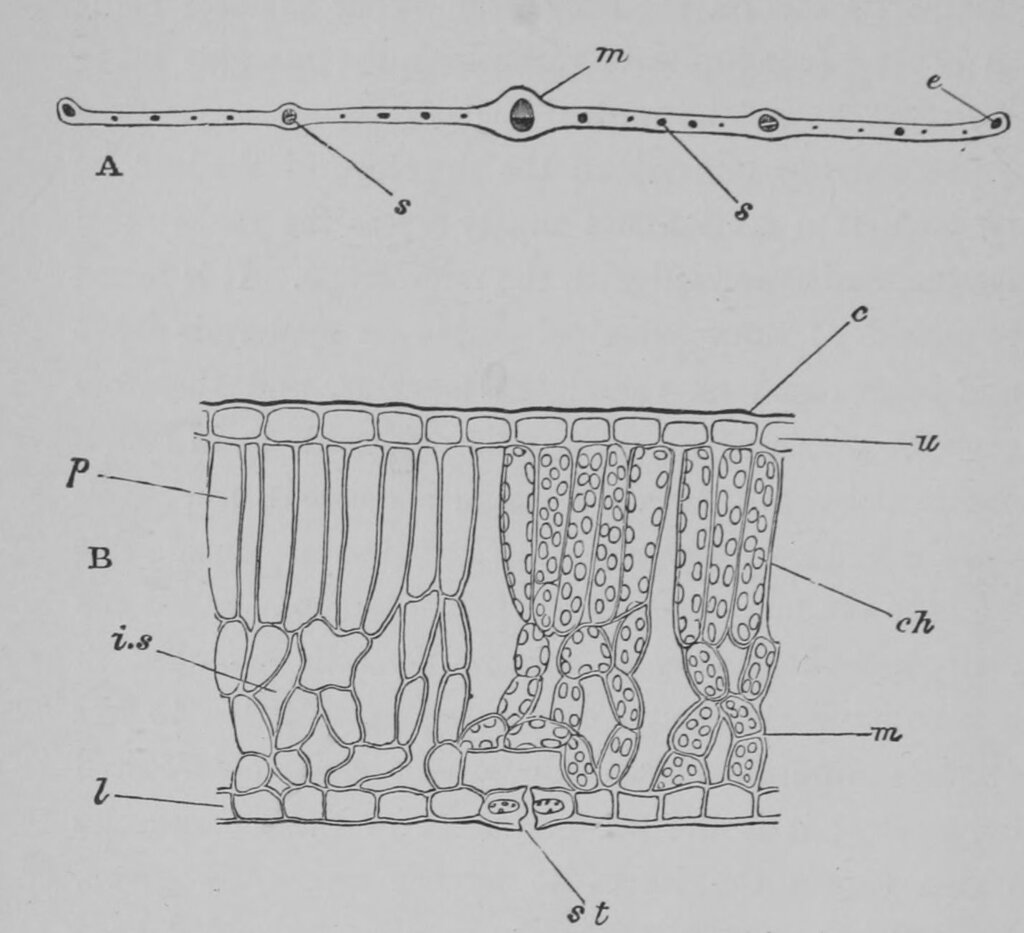
Leaves: These are the tree's solar-powered food factories. Leaves are packed with chlorophyll, the green pigment that captures energy from sunlight. Tiny pores on the leaf surface, called stomata, allow the leaf to take in carbon dioxide from the air and release oxygen.
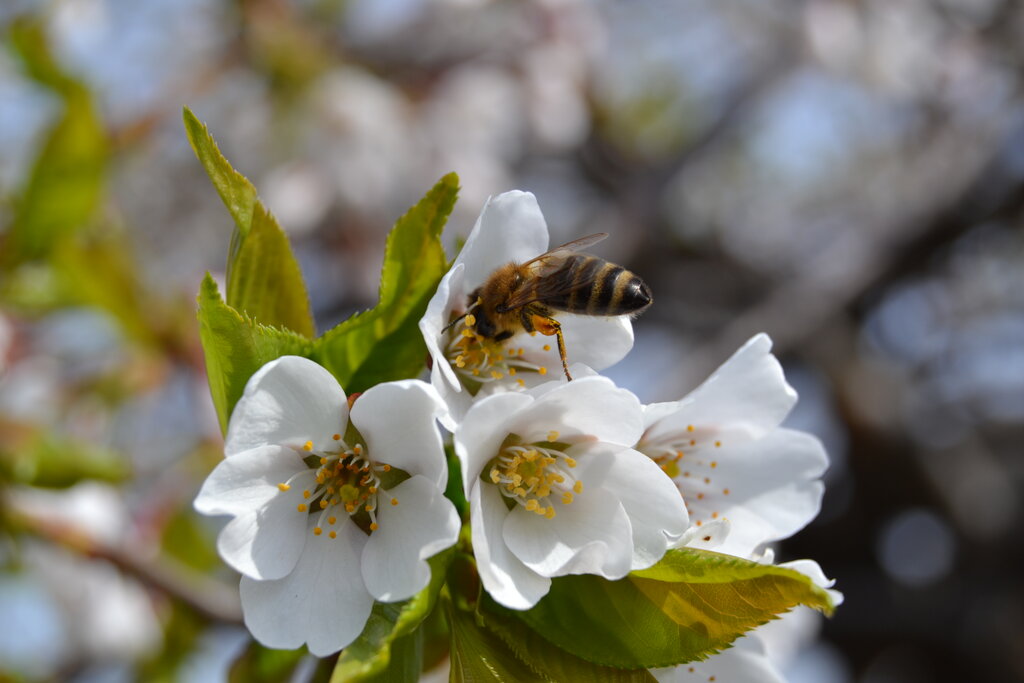
Flowers: In the spring, apple trees burst into bloom. These flowers aren't just for show; they are the reproductive organs of the tree. Their petals attract pollinators like bees. A bee visiting for nectar will inadvertently transfer pollen from one flower to another, which is essential for fertilization.
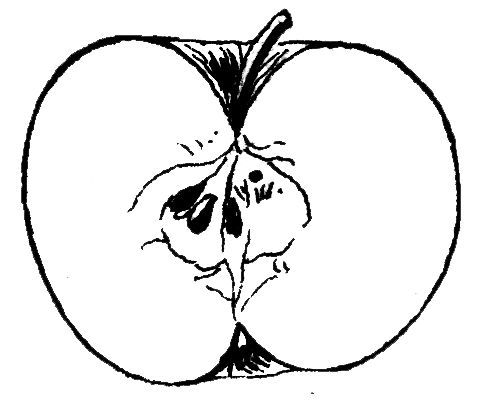
Fruit: After fertilization, the flower's ovary begins to swell and develop into what we know as an apple. The apple's main biological purpose is to protect the seeds inside and to entice an animal (or person) to eat it. By carrying the fruit away and discarding the core, the animal helps the apple tree disperse its seeds to new locations.
The Tree's Life Engine
Three key physiological processes keep an apple tree alive and productive: photosynthesis, respiration, and transpiration. Think of them as the engine that drives growth.
Photosynthesis
noun
The process where plants use sunlight, water, and carbon dioxide to create their own food (sugars) and release oxygen.
Photosynthesis is the fundamental energy-capturing process. It happens in the leaves and provides the sugary fuel the tree needs to grow, maintain itself, and produce fruit. You can think of it as the tree making its own food.
Respiration
noun
The process where organisms break down sugars to release the energy needed for life's processes.
If photosynthesis is like making food, respiration is like eating it. Every living cell in the tree, not just the leaves, performs respiration. It breaks down the sugars created during photosynthesis to release energy. This energy powers everything from root growth to the formation of new leaves.
Transpiration
noun
The process of water movement through a plant and its evaporation from leaves, stems, and flowers.
Transpiration is essentially plant sweat. Water is pulled up from the roots, moves through the xylem, and then evaporates out through the stomata in the leaves. This constant flow of water serves two purposes: it cools the plant on hot days and acts like a straw, creating the suction needed to pull more water and dissolved nutrients up from the soil.
Together, these interconnected systems of anatomy and physiology allow the apple tree to grow from a tiny seed into a large, fruit-bearing organism.
In the scientific name Malus domestica, what does the "domestica" part signify?
An apple tree belongs to the Rosaceae family. Which of the following plants is NOT a close relative of the apple?