Apple SMC Explained
Introduction to SMC
The Computer Within Your Computer
Press the power button on your Mac, and it springs to life. Close the lid, and it gracefully goes to sleep. These actions feel simple, but they're managed by a dedicated, tiny computer-on-a-chip called the System Management Controller, or SMC.
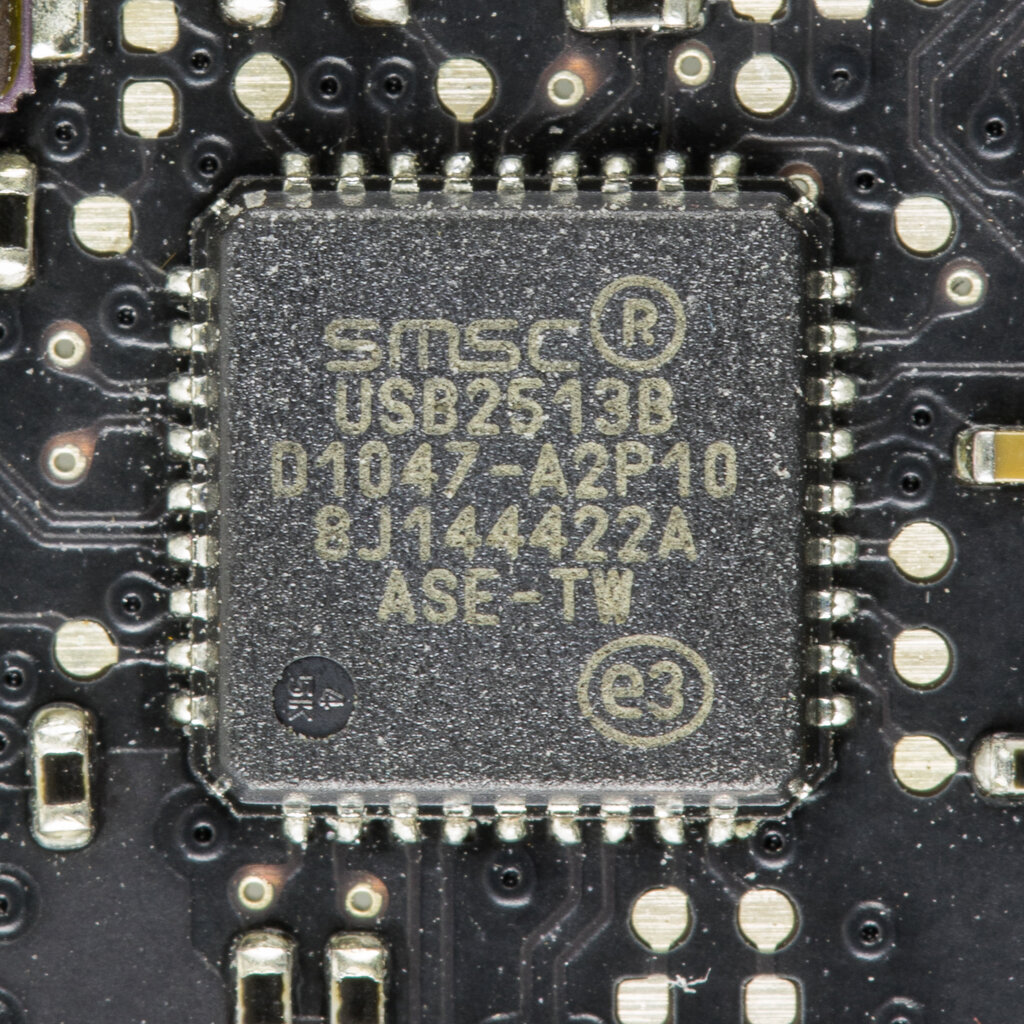
The SMC is a microcontroller that lives on your Mac’s logic board. Think of it as the autonomic nervous system of the computer. It handles a whole host of low-level functions that are essential for the machine to work properly, freeing up the main processor (the CPU) to focus on running your apps and tasks. Without the SMC, your computer wouldn't even know how to turn on.
A Juggler of Many Tasks
The SMC has a long list of responsibilities. It's the master of power, temperature, and various sensors, ensuring your computer runs smoothly and efficiently in the background.
Here’s a breakdown of its primary duties:
| Category | Specific Responsibilities |
|---|---|
| Power Management | Responding to the power button, putting the Mac to sleep or waking it, and even recognizing when you open or close the lid of a laptop. |
| Thermal Management | Reading data from temperature sensors throughout the computer and adjusting the speed of the internal cooling fans to prevent overheating. |
| Battery & Charging | Managing the battery charging process, communicating the battery's current status to the operating system, and controlling the status indicator light. |
| Lights & Sensors | Controlling the keyboard backlight, adjusting it based on ambient light, and managing the main status light that tells you if the computer is on or asleep. |
The SMC also manages the Sudden Motion Sensor in older MacBooks, which was designed to protect the hard drive from damage during a fall.
From PMU to SMC
The SMC wasn't always around. Its role evolved over time as computers became more complex, especially with the rise of portable machines. The journey began with a simpler component.
In older Macs that used PowerPC processors, a chip called the Power Management Unit (PMU) handled basic power functions. It managed startup, shutdown, sleep, and battery charging. It was a crucial part, but its job was relatively focused.
As Apple's computers grew more sophisticated, so did their needs. Later PowerPC models introduced the System Management Unit (SMU). The SMU was an upgrade, taking on more responsibilities like thermal management and fan control, in addition to all the PMU's previous duties.
The final leap came when Apple transitioned from PowerPC to Intel processors in 2006. This new architecture required an even more advanced controller. The SMC was born, integrating all the functions of the PMU and SMU while adding finer control over the system's many components. This consolidation allowed for the sleeker designs and better power efficiency we see in modern Macs.
Let's check your understanding of the SMC and its role.
What is the primary role of the System Management Controller (SMC) in a Mac?
Which component was the direct predecessor to the System Management Unit (SMU) in older PowerPC Macs?
The SMC is a perfect example of the hidden complexity that makes modern technology feel so simple. It's a silent guardian, managing dozens of critical tasks every second your Mac is running.