Apple Exports Australia to Sri Lanka
Export Regulations
The Paper Trail for Produce
Exporting goods like apples involves more than just finding a buyer and shipping them off. Every country has rules to protect its agriculture and economy. When sending apples from Australia to Sri Lanka, you'll need to navigate a specific set of regulations from both governments. Think of it as a checklist to ensure your shipment is safe, legal, and welcomed at its destination.
Starting in Australia
Before your apples can even leave the country, Australia's Department of Agriculture, Fisheries and Forestry (DAFF) gets involved. This government body oversees exports to ensure they meet both Australian standards and the specific requirements of the importing country.
The main goal of these rules is biosecurity: preventing the spread of pests and diseases. Australia has strict measures to protect its own agricultural industry, and it extends this care to the products it sends overseas. For your apple shipment, this means proving the fruit is healthy and poses no threat.
This proof comes in the form of an official document called a phytosanitary certificate.
Phytosanitary Certificate
noun
An official document issued by the plant protection organization of an exporting country. It certifies that plants or plant products have been inspected and are considered free from quarantine pests and other regulated pests.
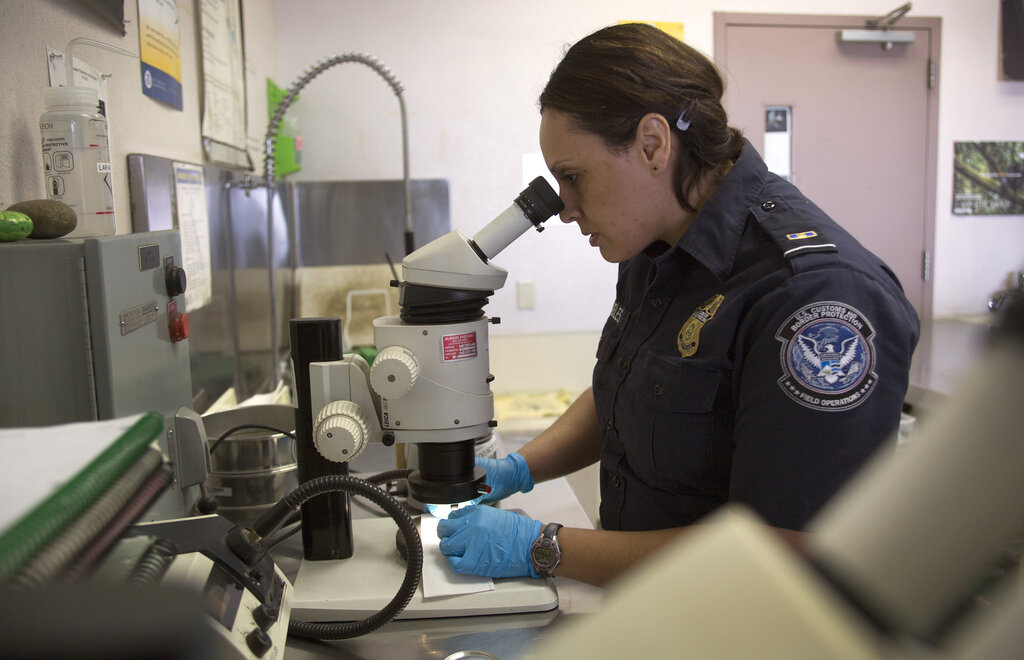
This certificate is essentially a health passport for your apples. To get one, an authorized officer from DAFF must inspect the consignment. They're looking for any signs of soil, pests, or diseases that are of concern to Sri Lanka. If the apples pass inspection, DAFF issues the certificate, which travels with the shipment. It’s a formal declaration to Sri Lankan authorities that the fruit is safe to enter their country.
Arriving in Sri Lanka
While Australia's rules are focused on safe export, Sri Lanka's rules are about safe import. Before you even ship the apples, your Sri Lankan buyer will need to secure an import permit from their National Plant Quarantine Service.
This permit is crucial. It outlines all of Sri Lanka’s specific conditions for importing Australian apples. For example, it might list particular pests that the apples must be free from or specify treatments the fruit must undergo before shipping. The requirements listed on this permit will directly inform the inspection process back in Australia. DAFF will check your apples against these specific Sri Lankan conditions before issuing the phytosanitary certificate.
The import permit sets the rules of the game, and the phytosanitary certificate proves you've played by them.
Once the shipment arrives, Sri Lankan customs officials will verify all the documentation. They will check the import permit, the phytosanitary certificate, and the commercial invoice to ensure everything matches. They also reserve the right to inspect the apples themselves to confirm they meet the standards declared in the paperwork. Proper documentation is key to a smooth customs clearance process.
Navigating these steps ensures your apples move from an Australian orchard to a Sri Lankan market legally and safely, protecting the agricultural integrity of both countries.