Appalachian Fire Craft Techniques
Humid Fuel Identification
The Wet Woods Challenge
In the temperate rainforests of the Blue Ridge, moisture is constant. Fog clings to the hollows and rain feeds a dense understory. Finding dry wood here isn't about luck; it's about knowing where and how to look. The forest provides, but it makes you work for it. Your search should begin not on the damp forest floor, but by looking up.
Standing deadwood is your most reliable friend. Trees that die but remain upright are shielded from the constant ground moisture and get better air circulation. Species like Red Spruce and Eastern Hemlock are prime candidates. Their thick bark and dense grain help protect the heartwood from moisture penetration, even long after the tree has died. Look for trees that have lost their needles and smaller twigs but still have their main branches intact. These are often seasoned on the stem.
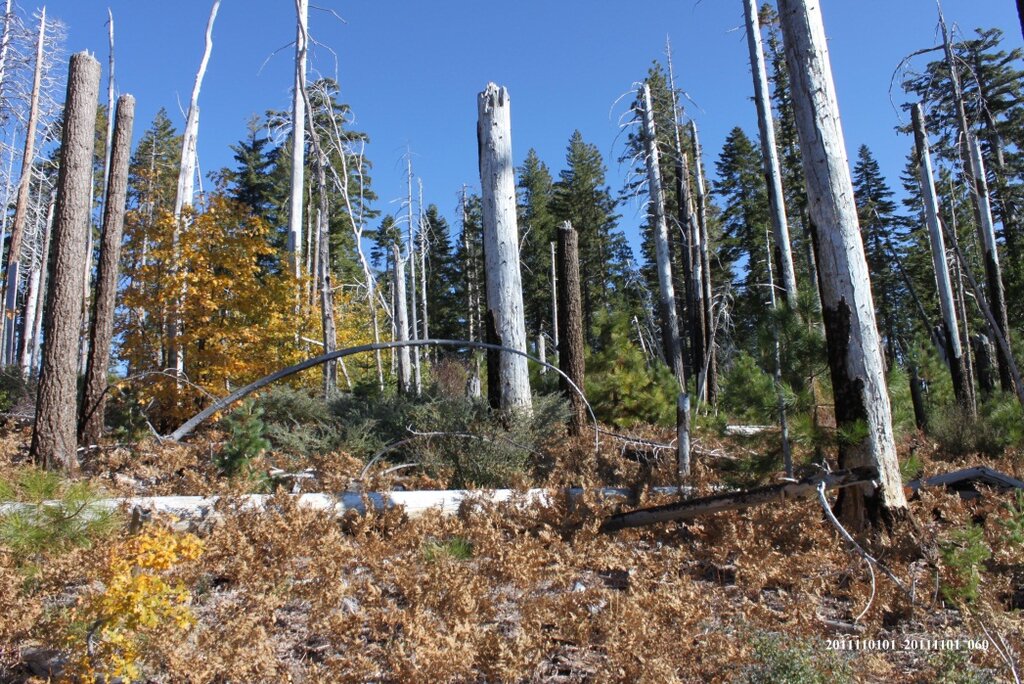
Don't be fooled by surface appearances. The slick, waxy leaves of Rhododendron and Mountain Laurel create a nearly waterproof canopy over the ground beneath them. While the exterior of these shrubs might be dripping wet, the dead branches tangled in their understory are often surprisingly dry. The key is to penetrate this outer layer. The thin, peeling bark of Rhododendron can be stripped away to reveal dry, pencil-thick branches perfect for kindling. This is a crucial distinction: wood that is merely wet on the outside is salvageable, whereas truly rotted, spongy wood is useless.
Field Testing Your Fuel
Before you commit to hauling branches back to camp, you need to test their quality. Your ears are as important as your hands. The snap test is the most immediate and reliable indicator of dry wood. Take a branch about the thickness of your thumb and try to break it over your knee or a rock. Dry, seasoned wood will break with a sharp, loud 'crack' or 'snap.' The break will be clean and brittle.
If the wood bends, feels flexible, or breaks with a dull, tearing sound, it is too wet to burn efficiently. Drop it and move on. That quiet 'thump' is the sound of a smoky, frustrating fire.
Your harvesting strategy should be deliberate. The best fuel is often found suspended off the ground, snagged in the lower branches of other trees or tucked under a dense canopy that has acted as a natural roof. Avoid wood lying directly on the wet ground, as it wicks moisture and begins to decay quickly. The lower, dead branches of living conifers—especially those shielded from rain by the branches above—are another excellent source of dry, ready-to-use kindling.
Nature's Firestarter
In the Appalachian chain, particularly in areas with old-growth pines, the stumps hide a treasure: s. This isn't just wood; it's wood that has become saturated with its own resin, a natural and potent accelerant. After a pine tree dies or is damaged, the resin from the roots flows up into the heartwood of the stump, preserving it and creating a dense, waterproof fuel source. You'll often find it where the base of the trunk meets the roots.
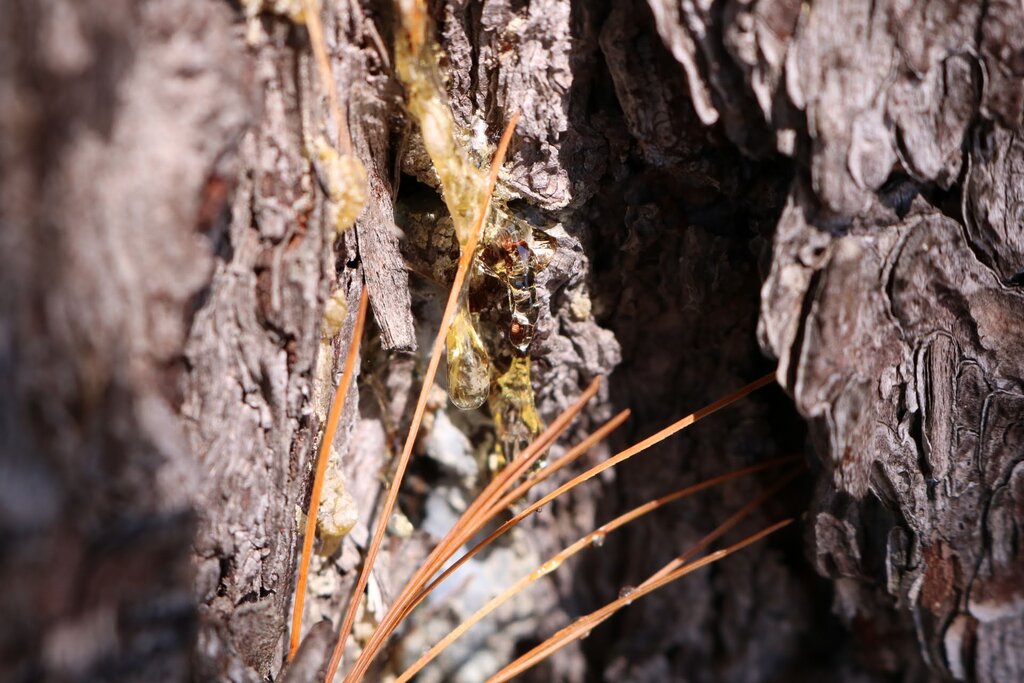
Fatwood has a distinct golden or reddish-brown color, feels heavy and greasy for its size, and has a strong turpentine smell. You can shave off small curls with a knife; these shavings will ignite with a single spark and burn with a hot, sooty flame, making them the perfect tinder to start a fire in the most challenging, humid conditions. Conifers, with their resinous nature, generally offer better fuel than deciduous trees in wet weather. The wood of dead deciduous trees tends to become punky and absorb moisture like a sponge, whereas conifers resist rot and retain their flammable properties.
According to the text, where should you begin your search for dry wood in a wet temperate rainforest?
You've found a branch about the thickness of your thumb. When you try to break it, it bends and feels soft instead of breaking cleanly. What does this indicate?
Mastering fuel selection is the first and most critical step to reliable fire craft in the Blue Ridge. By learning to read the forest and understand the properties of different woods, you can build a hot, clean fire in any weather.