App Design Fundamentals
Introduction to Mobile App Design
Design That Works
A mobile app can have powerful features, but if it's confusing or frustrating to use, people will simply delete it. Good design is what makes technology feel intuitive and helpful. It's the first impression your app makes, and it often determines whether someone sticks around or moves on.
On a small screen, every pixel counts. Unlike a desktop website, a mobile app has limited space. This constraint forces designers to be disciplined. They must focus on what's essential to help the user accomplish their goal quickly and without friction. Great mobile design isn't about cramming in features; it's about providing a clear path to a solution.
Designing your app from the users’ perspective forms the bedrock of your app development strategy, showing them that their needs and preferences matter to you.
UX and UI
You'll often hear the terms User Experience (UX) and User Interface (UI) used together. While they are related, they refer to different aspects of design.
User Experience
noun
The overall feeling a person has when using a product, such as an app. It's about how easy, efficient, and pleasant the entire interaction is.
Think of UX as the entire journey. Does the app solve a real problem for the user? Is the flow from one screen to the next logical? Can you find what you need without getting lost? UX design is the invisible work of mapping out this journey to make it smooth.
User Interface
noun
The specific screens, buttons, icons, and other visual elements a person interacts with inside an app.
UI is the look and feel—the part you can see and touch. It includes the color scheme, the font choices, and the style of the buttons. UI is a critical part of UX, because a good interface makes the user's journey more enjoyable and effective. But beautiful screens can't fix a confusing process.
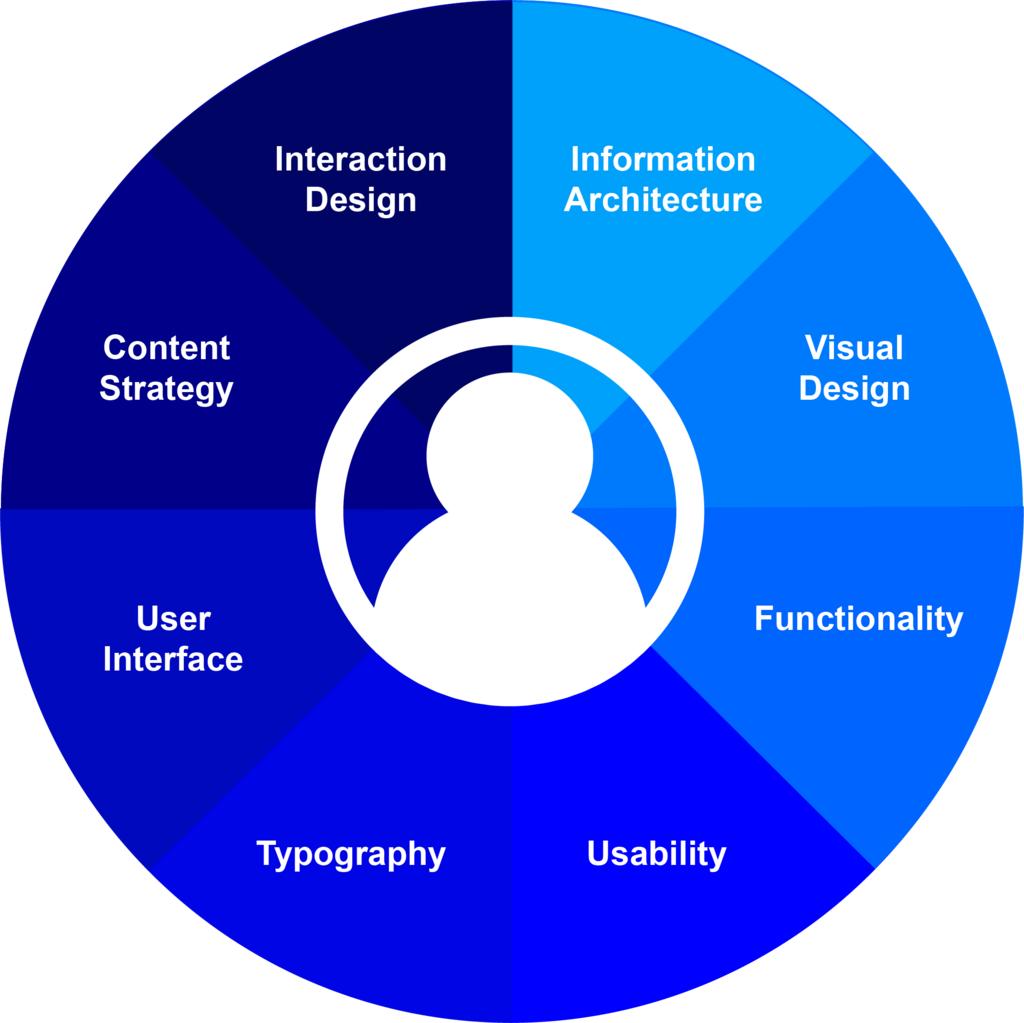
Putting Users First
The most successful apps are built with a user-centered design philosophy. This means that every decision, from the features included to the color of a button, is made with the user's needs and goals in mind. Instead of starting with the question, "What can we build?" user-centered design asks, "What does our user need to accomplish?"
This approach directly impacts how people engage with an app. When an app is intuitive, users feel competent and in control. They are more likely to return, explore more features, and recommend the app to others. This cycle of positive engagement is what drives business goals, whether that means making a sale, gaining a subscriber, or building brand loyalty.
Good design translates directly to user retention. If an app solves a problem without creating new ones, users have a reason to keep it on their phone.
Ultimately, the design of your app is a conversation with your user. A clear, thoughtful design communicates that you understand their problem and have built the best tool to solve it. It's the foundation upon which a successful and lasting product is built.
What is the primary difference between User Experience (UX) and User Interface (UI) design?
A 'user-centered design' philosophy prioritizes the user's needs and goals in every decision.