APIs for AI CX Support
API Fundamentals
What Is an API?
Imagine you're at a restaurant. You have a menu of options, but you can't go into the kitchen to prepare your food. Instead, you give your order to a waiter, who communicates with the kitchen and brings your food back to you. The waiter is the intermediary, handling the communication so you don't have to know how the kitchen works.
An API, or Application Programming Interface, is like that waiter. It's a set of rules that lets different software applications talk to each other. One application (the diner) can request data or actions from another application (the kitchen), and the API handles the exchange.
An API is a bridge that allows two software applications to talk to each other without you needing to know what’s happening behind the scenes.
This ability to connect is crucial. When you use a travel booking website to compare flights from different airlines, it's using APIs to request flight information from each airline's system. The website doesn't need to know the complex details of how each airline's database is structured. It just needs to know how to ask the API for flight times and prices. APIs make it possible for developers to use functionality from other services without having to build it themselves from scratch, enabling powerful integrations across the web.
How APIs Work
APIs work on a simple request and response cycle. A client application sends a request to an API, and the server housing the API sends back a response. This interaction is governed by a clear set of rules, ensuring both sides understand each other.
To make a request, you need two key things: an endpoint and a method.
An endpoint is the specific URL where the API can be accessed. Think of it as a specific address for a particular resource. For example, an API for a social media app might have an endpoint like https://api.example.com/users/123 to get information about the user with ID 123.
A method is the type of action you want to perform. These are based on standard HTTP verbs that define the desired operation.
| Method | Action | Description |
|---|---|---|
| GET | Read | Retrieves data from the server. |
| POST | Create | Sends new data to be created on the server. |
| PUT | Update/Replace | Updates an existing resource on the server. |
| DELETE | Delete | Removes a resource from the server. |
When the client sends a request, it bundles the method, the endpoint, and sometimes extra information like authentication keys in headers or data in the request body. The server processes this request and then sends back a response, which usually includes a status code (like 200 OK for success or 404 Not Found for an error) and the requested data, often in a structured format like JSON.
Think of it this way: The endpoint is the address of the kitchen, the method is your order (get me a burger), and the response is the burger arriving at your table.
Types of APIs
While there are many types of APIs, two are particularly common in modern web development: REST and GraphQL.
REST
noun
Representational State Transfer. An architectural style that uses standard HTTP methods. REST APIs are resource-based, meaning you interact with well-defined data objects (resources) through endpoints.
REST is the most widespread architectural style for APIs. It's known for being stateless and simple. Each endpoint in a REST API typically corresponds to a specific resource. If you need data about users and their posts, you might have to make two separate requests: one to a /users endpoint and another to a /posts endpoint.
This can sometimes lead to fetching more data than you need (over-fetching) or having to make multiple requests to get all the data you want (under-fetching).
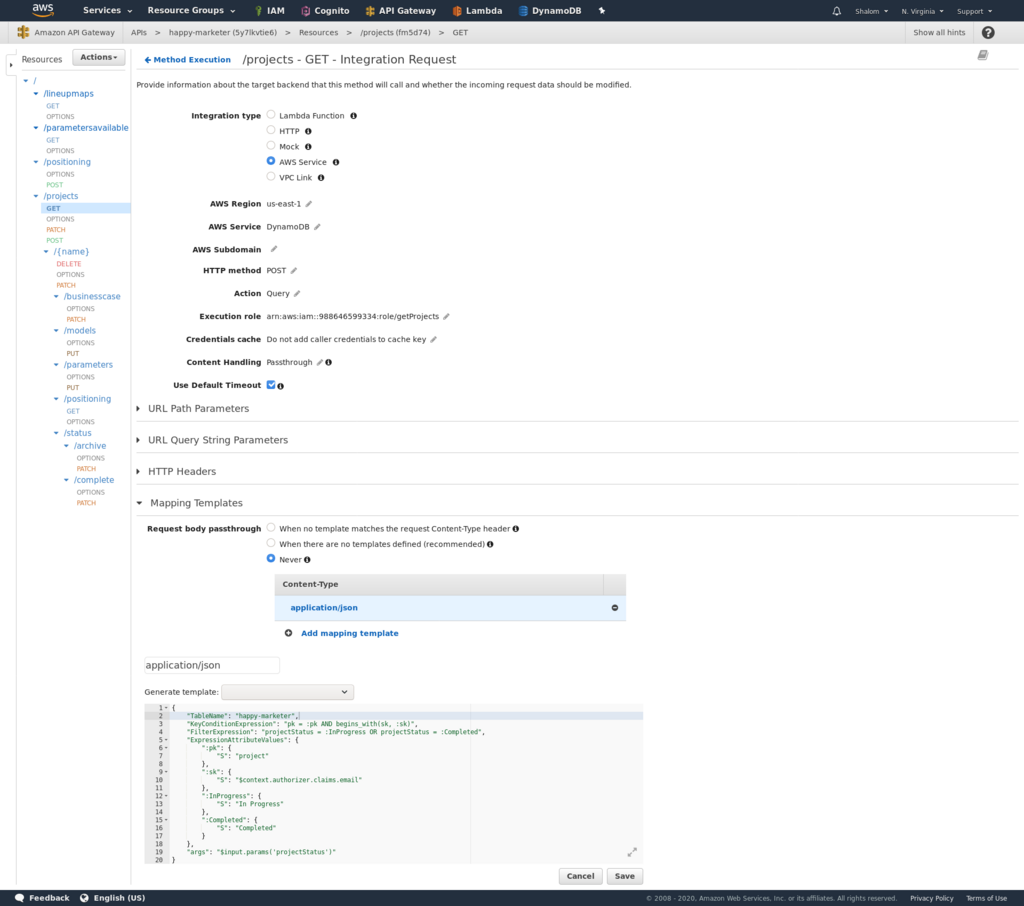
GraphQL was developed to solve these issues. It's a query language for APIs that allows the client to ask for exactly the data it needs, and nothing more.
GraphQL
noun
A query language for APIs and a runtime for fulfilling those queries with your existing data. It gives clients the power to ask for exactly what they need.
Instead of multiple endpoints, a GraphQL API typically has a single endpoint. The client sends a query that specifies the exact fields it wants. If you need a user's name and the titles of their last three posts, you can write a single GraphQL query to retrieve just that information in one response. This makes GraphQL very efficient and flexible, especially for applications with complex data needs or for mobile apps on slower networks.
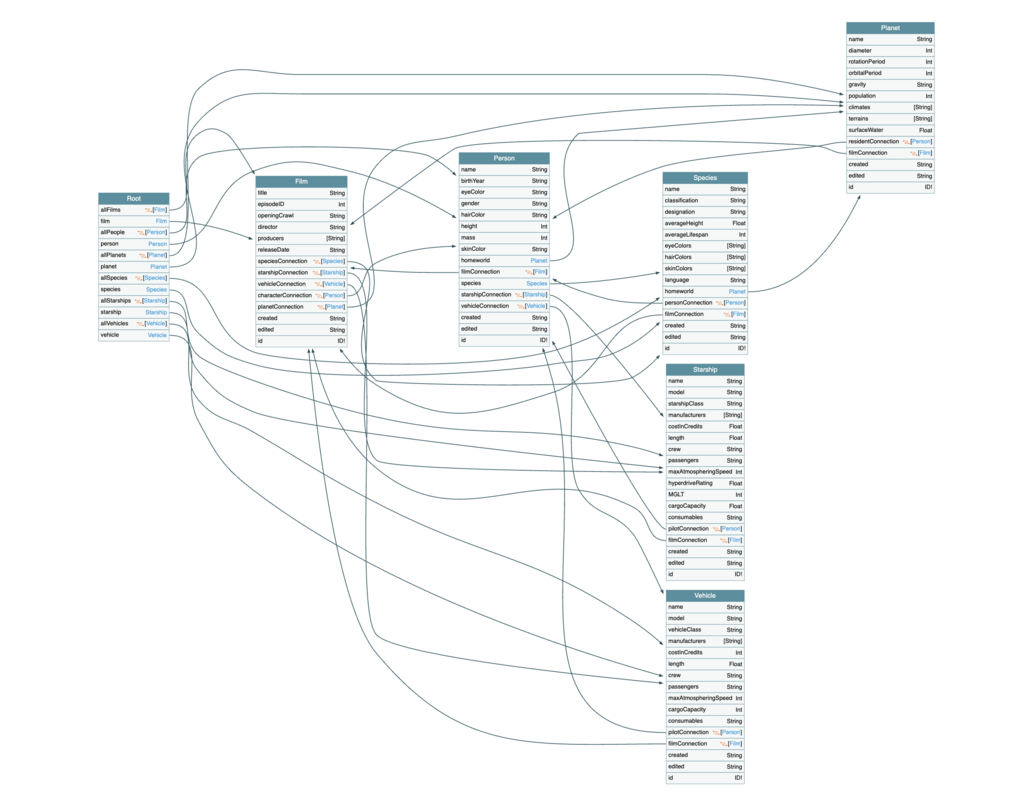
Understanding these core concepts is the first step to working with any API. Whether you're pulling data into a spreadsheet or building a full-fledged application, APIs are the essential connectors that make the modern digital world work.