APIs Explained Simply
Introduction to APIs
What Is an API?
Think about ordering food at a restaurant. You, the customer, want a meal. The kitchen is where the meal is prepared. But you don't just walk into the kitchen and start grabbing ingredients. Instead, you interact with a waiter.
You give your order to the waiter, who takes it to the kitchen. The kitchen prepares your food and gives it back to the waiter, who then brings it to your table. The waiter acts as an intermediary, translating your request into something the kitchen understands and delivering the result back to you.
An Application Programming Interface, or API, is like that waiter. It's a messenger that takes a request from one piece of software, carries it to another, and then brings the response back.
API
noun
An Application Programming Interface (API) is a set of rules and protocols that allows different software applications to communicate with each other.
Software systems are often complex and built by different teams or even different companies. One system doesn't need to know the messy, internal details of how another one works. It just needs a reliable way to ask for specific information or actions.
APIs provide this clean, predictable entryway. They expose only the necessary parts of a program while keeping the rest of its internal logic hidden. This separation allows developers to build new tools and services by connecting to existing ones, without having to reinvent the wheel every time.
An API is a bridge that allows two software applications to talk to each other without you needing to know what’s happening behind the scenes.
APIs in the Wild
You interact with APIs every day, probably without realizing it. They are the invisible engines powering much of the modern web.
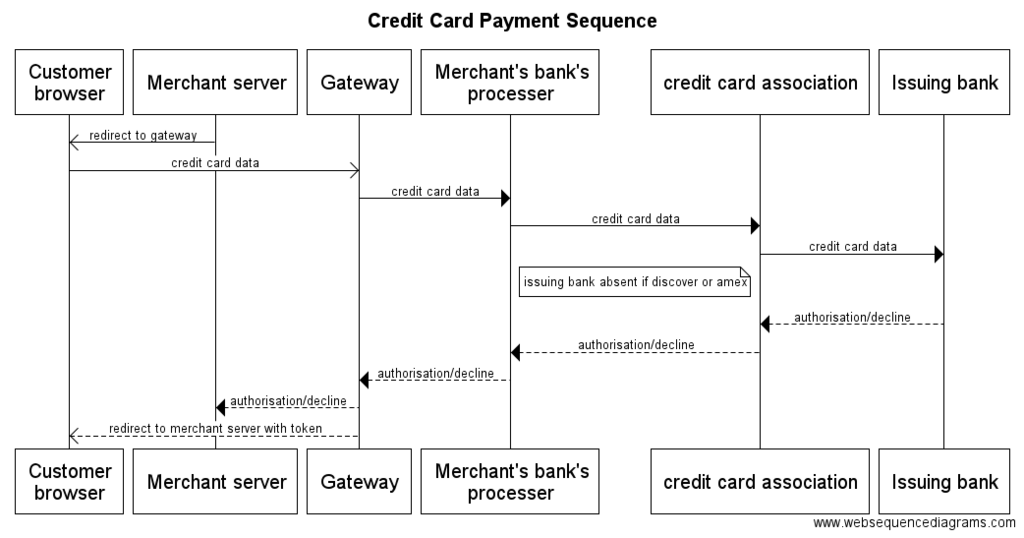
When you buy something online, the e-commerce site needs to process your payment. Instead of building a complex and highly secure payment system from scratch, the site uses an API to connect to a service like Stripe or PayPal. Your payment details are sent through the API, the service processes the transaction securely, and a confirmation is sent back. The online store never has to handle your sensitive credit card information directly.
Another common example is social media integration. Have you ever used a "Log in with Google" or "Log in with Facebook" button on a website? That's an API at work. The website uses the social media platform's API to verify your identity. You grant permission, and the API confirms who you are to the website. This saves you from creating yet another username and password, and the website doesn't need to store your sensitive login credentials.
APIs are also essential for retrieving data from external sources. A flight booking website doesn't own airplanes or manage flight schedules. It uses APIs from various airlines to pull in real-time information on available seats, prices, and times. The website sends a request like, "Show me flights from New York to London tomorrow," and the airlines' APIs send back the relevant data. This allows the booking site to aggregate information from dozens of sources into a single, searchable interface.
In each of these cases, the API simplifies development, enhances security, and allows for powerful integrations that would otherwise be impractical or impossible to build.
In the analogy of ordering food at a restaurant, what role does an API play?
When a website offers a "Log in with Google" button, it is using an API.
By acting as standardized messengers, APIs allow the digital world to be more connected, efficient, and innovative.