APIs Explained
Introduction to APIs
What is an API?
Imagine you're at a restaurant. You have a menu of options, but you can't go into the kitchen to prepare your food yourself. You need a way to communicate your order to the chef and get your meal delivered back to your table. That's where the waiter comes in. The waiter is the intermediary who takes your request, brings it to the kitchen, and returns with your food.
In the digital world, an Application Programming Interface, or API, is the waiter. It's a messenger that takes requests from one software application and delivers them to another, then brings the response back.
API
noun
A set of rules, protocols, and tools that allows different software applications to communicate and share data with each other.
APIs define the proper way for a developer to request services from an operating system or another application. They expose a selection of a program's inner workings while keeping the rest protected and hidden. This is a bit like how a car's steering wheel and pedals let you control the engine without needing to understand how the engine actually works.
At its core, an API (Application Programming Interface) is a set of definitions and protocols that dictate how two software components communicate and interact with each other.
The Power of Connection
The main purpose of an API is to enable seamless integration between different systems. This allows developers to leverage existing functionality instead of building everything from scratch. It’s a powerful way to accelerate innovation.
Think about a travel booking website. It needs to show you flights, hotel availability, and maybe even a map of the area. Instead of building its own global flight database, hotel reservation system, and mapping service, the website uses APIs to request that information from airlines, hotel chains, and map providers. The site bundles all these separate services into one smooth user experience.
This approach has huge benefits. Companies can specialize in what they do best and offer their services to others through APIs. This fosters collaboration and allows for the creation of richer, more powerful applications than any single company could build alone.
For you, the user, this means a better experience. Apps can offer more features, data is more consistent across different platforms, and you can even link your accounts between services, like logging into a new app using your Google or Facebook account. That connection is made possible by an API.
The Backbone of Modern Software
In modern software development, APIs are not just a convenience; they are a necessity. They are the fundamental building blocks that allow developers to create complex applications in a modular and scalable way.
Many applications today are built using a "microservices" architecture. Instead of one giant, monolithic program, the application is broken down into many smaller, independent services. Each service handles a specific task, like user authentication or payment processing, and they all communicate with each other through APIs.
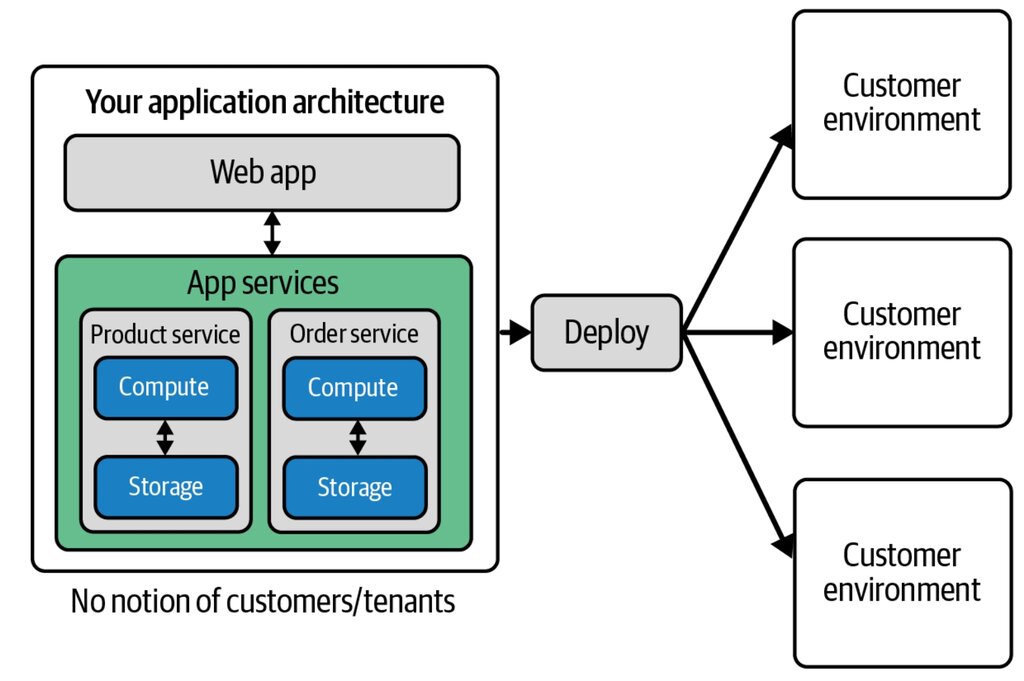
This modular approach makes applications easier to manage, update, and scale. If the team needs to improve the payment processing feature, they can work on just that one service without affecting the rest of the application.
APIs also play a crucial role in security. By acting as a gatekeeper, an API can control access to a system's data and functions. It ensures that only authorized requests get through and that they only get access to the information they are supposed to. The application's core logic and database remain safely tucked away, protected from direct exposure.
Essentially, APIs allow applications to be built like LEGOs. Each block is a separate service, and APIs are the studs that let them all snap together to create something amazing.
Now that you understand the what and why of APIs, let's test your knowledge.
Based on the provided text's restaurant analogy, what role does an API play?
What is the primary purpose of an API in software development?