API Interaction and Data Management
Introduction to APIs
What Is an API?
Think of an API as a waiter in a restaurant. You, the customer, don't go into the kitchen to cook your food. Instead, you give your order to the waiter. The waiter takes your request to the kitchen (the system), gets the food (the data or functionality), and brings it back to your table. You don't need to know how the kitchen works, just what's on the menu.
API
noun
Stands for Application Programming Interface. It's a set of rules and protocols that allows different software applications to communicate with each other.
In technical terms, an API is a messenger that takes requests from one application, processes them through another system, and delivers a response back to the first application. This allows developers to access features or data from another service without needing to know the specifics of its code.
Why Use APIs?
APIs are the backbone of the modern web because they make development faster, more efficient, and more innovative. Instead of building every single feature from scratch, developers can use APIs to plug in existing services.
- Efficiency: Why build a whole new mapping system for your app when you can use the Google Maps API? APIs save time and resources by providing pre-built functionality.
- Integration: APIs allow different services to work together seamlessly. When you pay for a purchase online with PayPal, an API connects the store's website to PayPal's payment processing system.
- Innovation: Companies can expose their data or services through APIs, allowing other developers to build new and creative applications on top of their platform. This fosters a wider ecosystem of tools and services.
APIs in the Wild
You interact with APIs every day, often without realizing it. Here are a few common examples:
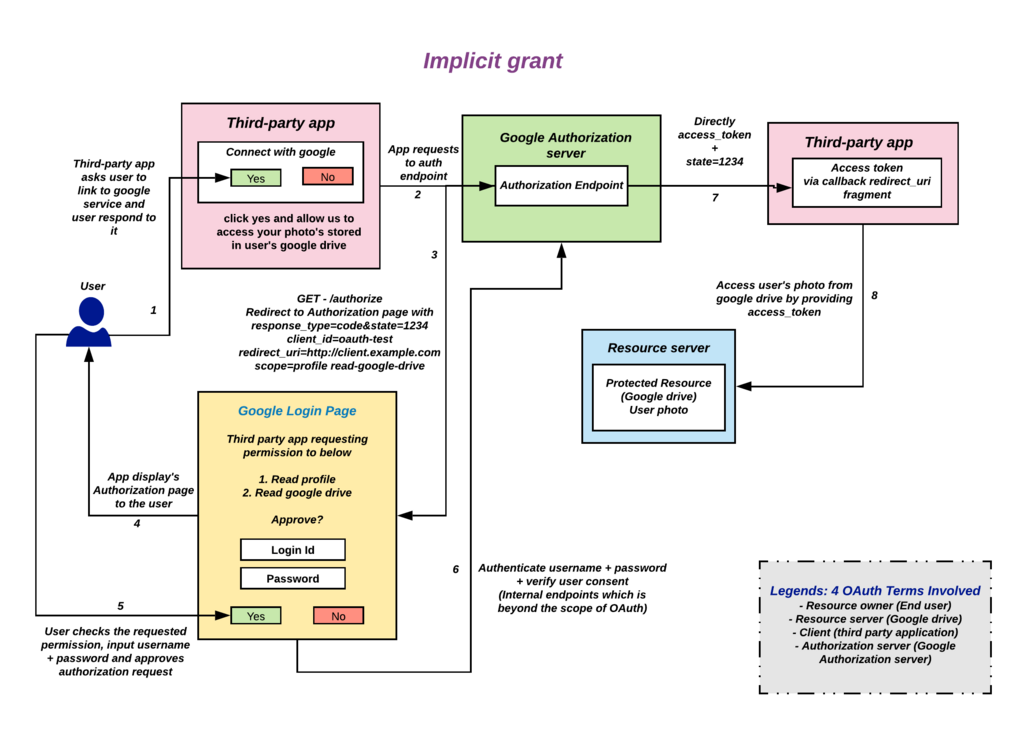
- Social Logins: When you see a "Log in with Google" or "Log in with Facebook" button, that's an API at work. The website is using the API of the social media platform to verify your identity without you needing to create a new password.
- Travel Booking: Travel aggregation sites like Kayak or Expedia use APIs from airlines and hotels to pull flight times, prices, and room availability into one place.
- Weather Apps: The weather app on your phone doesn't have its own weather satellites. It calls an API from a weather service provider to get the latest forecast data.
A Few Flavors of API
Not all APIs are built the same way. They follow different sets of rules, or protocols. While there are many types, three architectural styles are very common today. You don't need to know the deep technical details, but it's helpful to recognize the names.
| Type | Stands For | Key Idea |
|---|---|---|
| REST | REpresentational State Transfer | A flexible and lightweight style that uses standard web protocols (like HTTP). It's the most popular type for web services. |
| SOAP | Simple Object Access Protocol | A more rigid, protocol-based standard. It's known for being highly secure and reliable, often used in enterprise environments. |
| GraphQL | Graph Query Language | A modern query language for APIs. Its main advantage is allowing the client to request exactly the data it needs, and nothing more. |
Each type has its own strengths and is chosen based on the specific needs of the application, such as the level of security required or the need for flexible data queries.
Using the analogy of a restaurant, what is the role of an API?
What is a primary advantage of using APIs in software development?