Apartment Electrical Wiring Basics
Electrical Safety Basics
The First and Most Important Rule
Before you touch a single wire, your first step is always the same: turn off the power. This isn't just a suggestion; it's the most critical safety rule in electrical work. The electricity in your home is powerful enough to cause serious injury or death.
Go to your home's main electrical panel, often called a breaker box. Find the circuit breaker that controls the area where you'll be working and flip it to the "OFF" position. If the breakers aren't labeled, you may need to turn off the main breaker that cuts power to the entire house. Once the power is off, use a voltage tester to double-check that the circuit is truly de-energized before you begin.
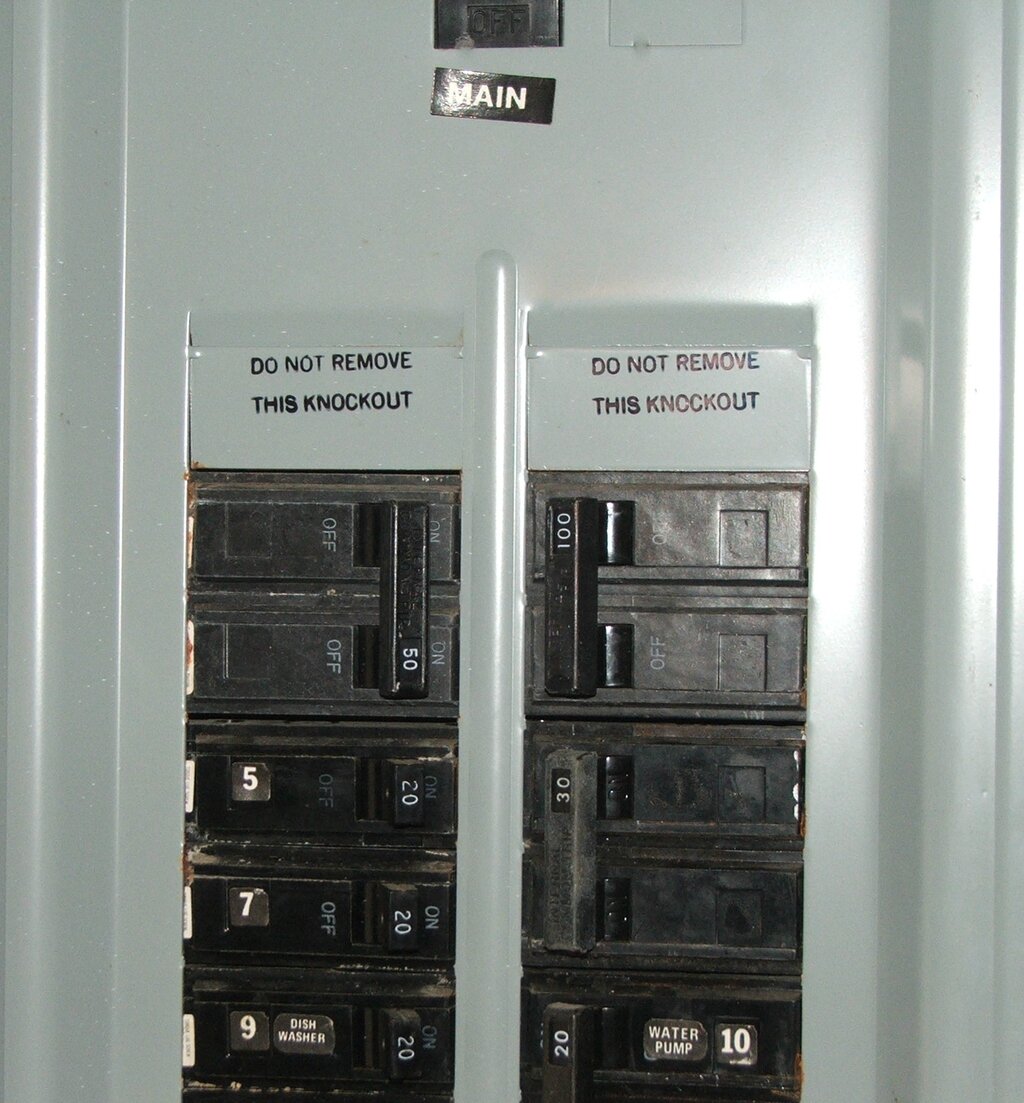
Always turn off the power at the circuit breaker before starting any electrical work to ensure safety.
Your Tools and the Dangers
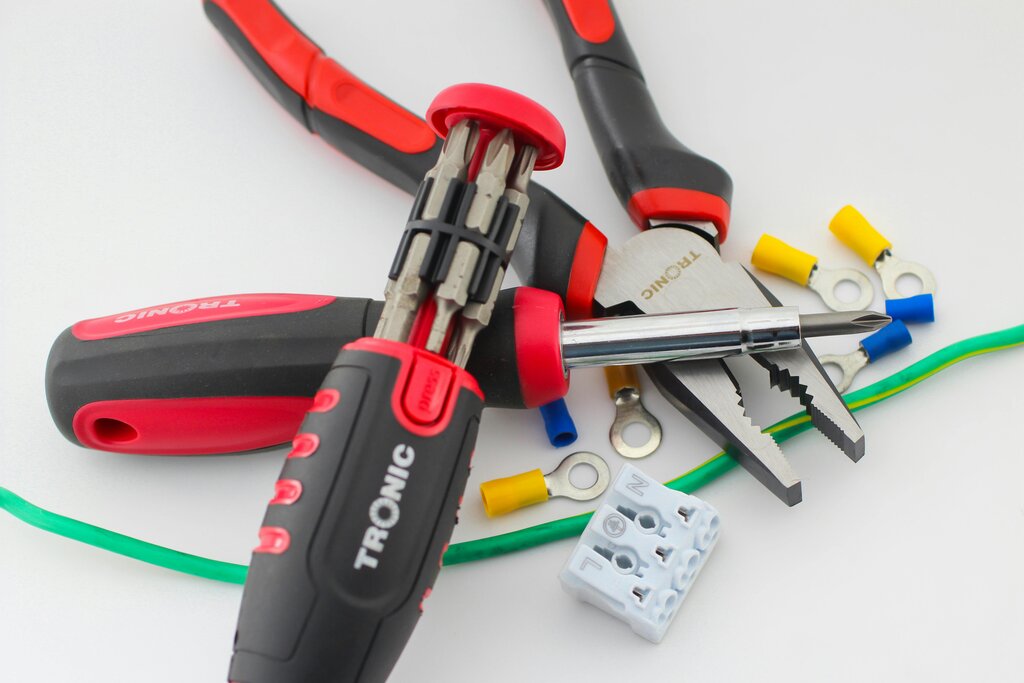
The right tools do more than just help you get the job done; they protect you. Always use tools with insulated handles, typically made of rubber or plastic. This insulation provides a non-conductive barrier between you and any live electrical current, which can be a lifesaver if you accidentally touch a live wire.
Using an uninsulated metal screwdriver on an electrical outlet is a direct path for current to travel through your body.
The two primary risks of working with electricity are electric shock and fire. An electric shock occurs when your body becomes part of an electrical circuit. The results can range from a mild tingle to severe burns or heart failure. Electrical fires are often caused by faulty wiring, overloaded circuits, or short circuits. These dangers are why following safety procedures is not optional.
Codes and Special Protection
Every electrical job, big or small, is governed by local electrical codes. These are sets of rules and regulations that specify standards for electrical installations. They aren't arbitrary; they are based on decades of experience to ensure safety and prevent fires and shocks. Adhering to these codes is mandatory.
One important safety device required by code in certain areas is the Ground Fault Circuit Interrupter, or GFCI.
GFCI
noun
A fast-acting circuit breaker designed to shut off electric power in the event of a ground fault, protecting people from severe electric shocks.
A GFCI constantly monitors the flow of electricity in a circuit. If it detects a tiny imbalance, meaning some current is leaking out and potentially flowing through a person, it shuts off the power in a fraction of a second. This is much faster than a standard circuit breaker. You'll find GFCI outlets are required in moisture-prone areas like bathrooms, kitchens, laundry rooms, and outdoor spaces.
Ready to check your understanding of these core safety principles?
What is the most critical first step you should always take before beginning any electrical work?
What is the primary purpose of the insulation on the handles of electrical tools?