Apartment Building Real Estate Feasibility Studies
Market Analysis
Reading the Local Market
Before breaking ground on a new apartment building, you need a clear picture of the landscape. A thorough market analysis isn't just about numbers; it's about understanding the community, its needs, and its future. This process helps you see if your project is viable and how to position it for success. It all starts with gauging the local demand for rental housing.
Assessing market conditions is a fundamental steps investors should take before making decisions in multifamily real estate.
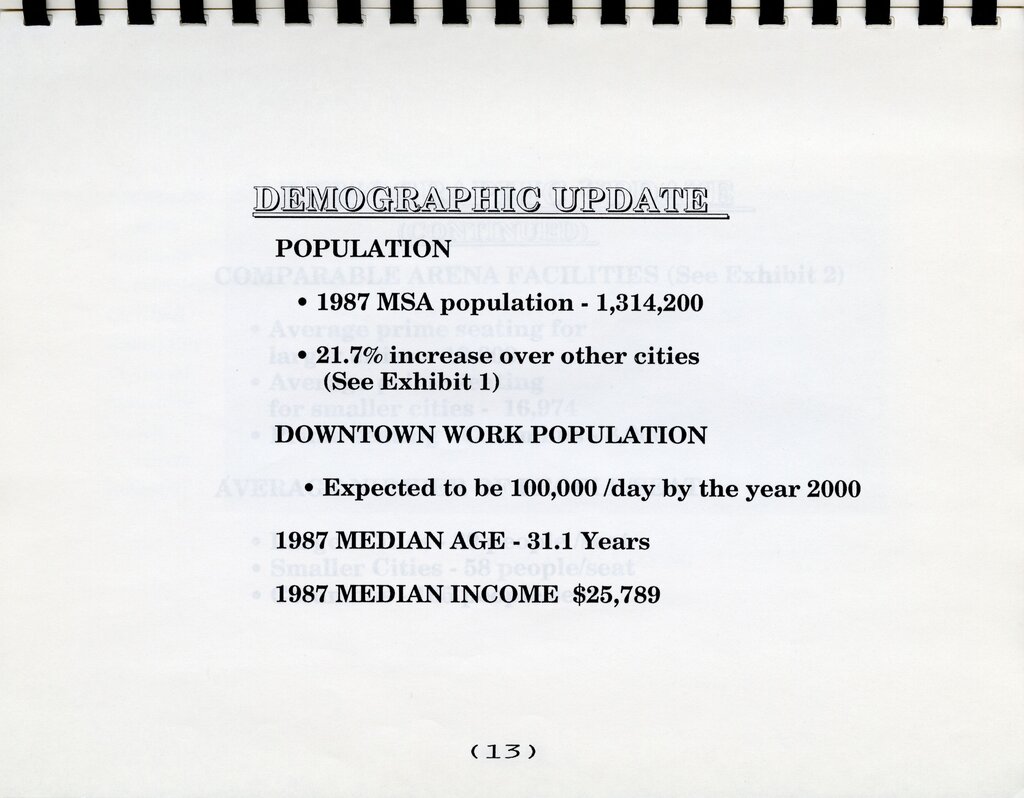
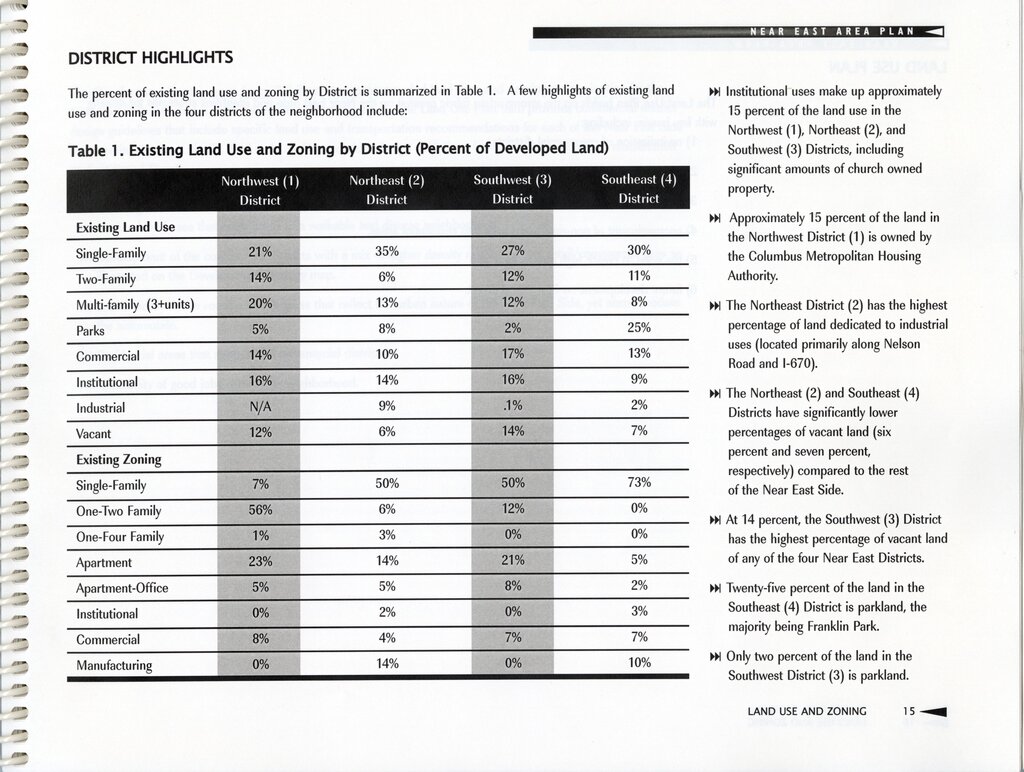
Demand is driven by people and jobs. Is the local population growing? Are new companies moving in or are existing ones expanding? Positive answers to these questions suggest a healthy rental market. Pay attention to economic trends. A diverse local economy with multiple strong industries is more stable than one reliant on a single employer. Demographic shifts also tell a story. An influx of young professionals might signal demand for smaller, modern units, while a growing student population points to a need for housing near a university.
Sizing Up the Competition
Once you understand the demand, you need to look at the supply. Analyzing competing properties tells you what you're up against and helps you find your niche. This isn't just a list of other apartment buildings; it's a deep dive into what they offer and how they perform.
Start by mapping out all comparable properties in the area. For each one, gather details on their unit mix, amenities, age, and overall condition. Are they new luxury buildings with pools and fitness centers, or older, more affordable walk-ups? This context helps you understand what potential renters already have to choose from.
A competitive analysis reveals gaps in the market. If every nearby building offers luxury two-bedrooms, a project focused on affordable studios might fill an unmet need.
The most important data point is what these properties are charging. Collect current lease rates for different unit types, from studios to three-bedrooms. Pay attention to how rent is calculated, often on a price-per-square-foot basis. This allows for a more direct comparison between units of different sizes.
| Unit Type | Avg. Rent | Avg. Sq. Ft. | Avg. $/Sq. Ft. |
|---|---|---|---|
| Studio | $1,200 | 500 | $2.40 |
| 1-Bedroom | $1,600 | 750 | $2.13 |
| 2-Bedroom | $2,200 | 1,050 | $2.10 |
| 3-Bedroom | $2,800 | 1,300 | $2.15 |
Looking at current rents gives you a snapshot. To see the full picture, you need to analyze historical trends.
Performance and Activity
Historical data reveals the health and momentum of the local market. Two key metrics are vacancy rates and absorption rates.
Vacancy Rate is the percentage of all available units in a given area that are unoccupied and available for rent at a particular time. A low and stable vacancy rate (typically below 5%) indicates strong demand. Looking at historical vacancy rates shows you whether the market is tightening (fewer empty units) or softening (more empty units).
Absorption Rate measures the pace at which available rental units are leased over a specific period. For example, if 100 new apartments are built and 20 are leased per month, the absorption rate is 20 units per month. This tells you how quickly the market can "absorb" new supply. A high absorption rate suggests that new developments are leasing up quickly, a very positive sign.
Also consider the average time it takes to re-let a unit after a tenant moves out. If apartments are sitting empty for months, it signals weak demand or rents that are too high. If they're leased again within a week, the market is hot.
Finally, look at the overall housing market activity. Are single-family homes selling quickly? Is there a lot of new construction, both rental and for-sale, in the pipeline? A booming construction environment can be a sign of a strong economy, but it can also lead to oversupply if too many new units come online at once. Understanding the full scope of local housing activity provides the context for all the other data you've gathered.
When analyzing the local rental market, which of the following is the most reliable indicator of strong, sustained demand?
What does a market's "absorption rate" measure?
By combining these elements, you build a detailed and reliable picture of the market, allowing you to make informed decisions for your development project.