AP World History Unit 5 Foundations
Introduction to the Early Modern Period
A World in Motion
The years between 1450 and 1750 mark a distinct chapter in human history known as the early modern period. It’s an era that bridges the medieval world and the industrial, revolutionary age that would follow. This 300-year span was not just a simple transition; it was a time of dramatic, worldwide change. For the first time, large-scale interactions connected the Eastern and Western Hemispheres, weaving together societies that had developed in isolation for millennia. Ideas, goods, people, and diseases began moving across the planet on an unprecedented scale.
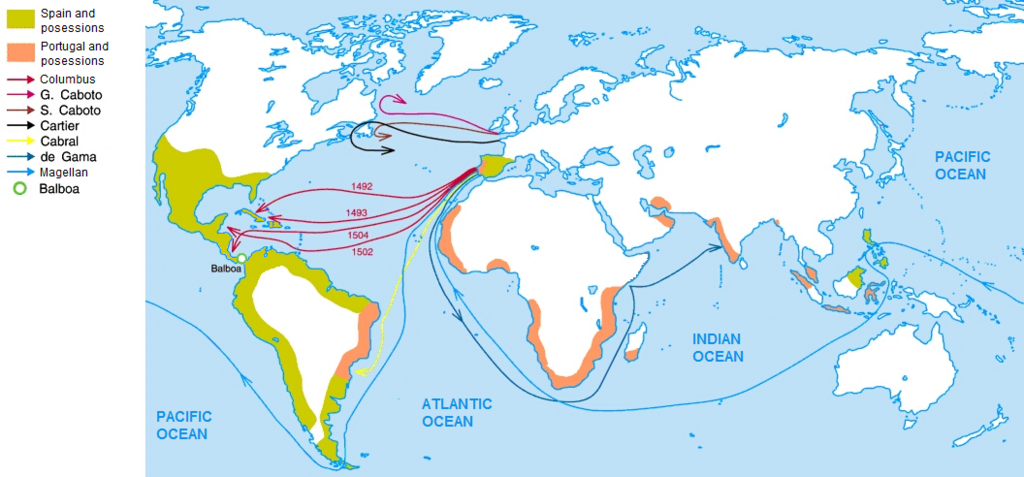
This period kicked off a true globalization. While regional trade networks had existed for centuries, the early modern era saw the creation of the first truly global sea lanes. This new connectivity reshaped economies, environments, and cultures everywhere.
The Drive to Explore
A powerful new spirit of exploration, primarily driven by European maritime powers, defined the start of this era. Fueled by a desire for new trade routes to Asia, access to valuable resources like spices and silver, and a quest for knowledge and influence, sailors pushed the boundaries of the known world. They developed new ship designs and navigational techniques that made long-distance sea travel possible.
This wasn't just about discovery for its own sake. Exploration was deeply tied to commerce and competition. Nations raced to claim new territories and control lucrative trade networks, setting the stage for vast overseas empires. The consequences were enormous, leading to profound demographic and social changes across the globe.
Building Stronger States
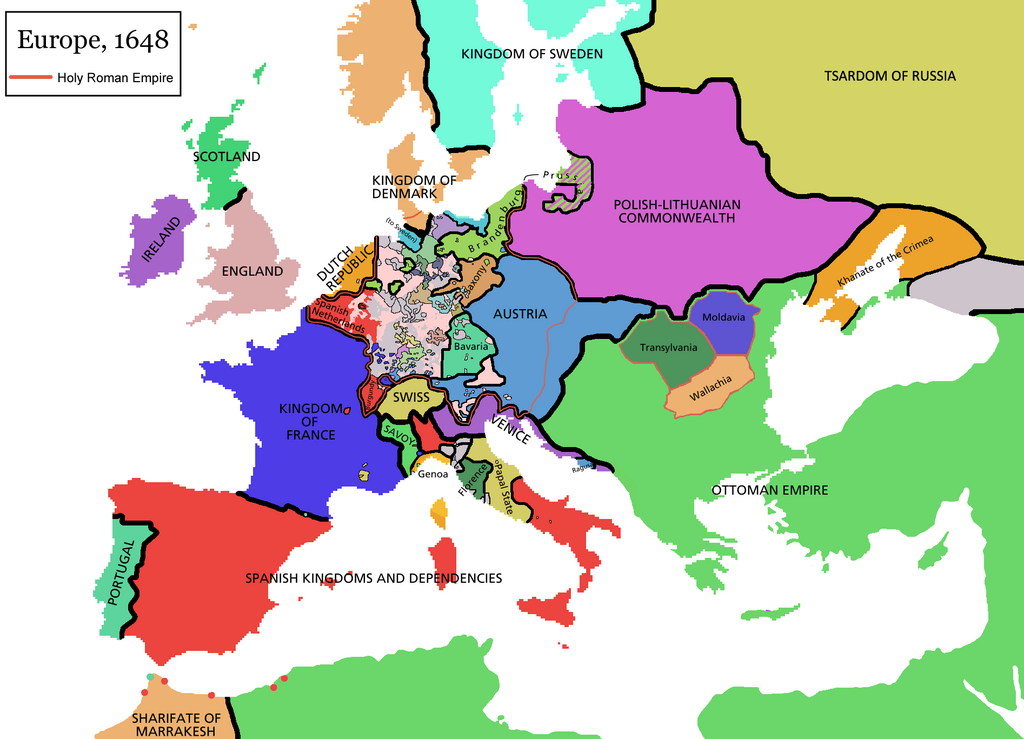
At the same time sailors were crossing oceans, rulers on land were focused on building stronger, more centralized states. This was a global trend. In Europe, monarchs worked to consolidate their authority over feudal nobles, creating more unified kingdoms with professional armies, centralized tax collection, and more effective governments. Leaders in Asia, such as in the Ottoman Empire, Mughal India, and Ming China, also oversaw powerful, centralized states that dominated their regions.
This process of state-building was often fueled by the wealth generated from new global trade. Rulers used resources from overseas colonies and commerce to fund their armies and expand their bureaucracies, creating a cycle where trade and state power reinforced each other.
A Great Exchange of Cultures
The new connections of the early modern period sparked a massive exchange of ideas, technologies, religions, and cultural practices. The spread of printing helped ideas circulate faster than ever before within continents. Religions, particularly Christianity and Islam, spread to new regions through missionary work, trade, and conquest, often blending with local beliefs to create new, syncretic faiths.
Art, food, and customs also traveled along the new global pathways. For example, crops from the Americas were introduced to Africa and Eurasia, changing diets and agricultural practices around the world. This was not always a peaceful exchange; it was often driven by conflict and coercion. But the result was a world where cultures interacted, clashed, and mixed in entirely new ways, laying the groundwork for the interconnected world we live in today.
The early modern period set the stage for the modern world by connecting continents, centralizing states, and mixing cultures on a global scale.
Let's review the key themes of this transformative era.
What was the most significant and defining feature of the early modern period (1450-1750)?
How did the new wealth from global trade and colonization primarily affect state-building during the early modern era?
Understanding these core themes—exploration, state-building, and cultural exchange—is the first step to grasping the immense changes that reshaped the world between 1450 and 1750.