AP World History: AMSCO Chapters 3-4
Land Empire Consolidation
Building the Imperial Machine
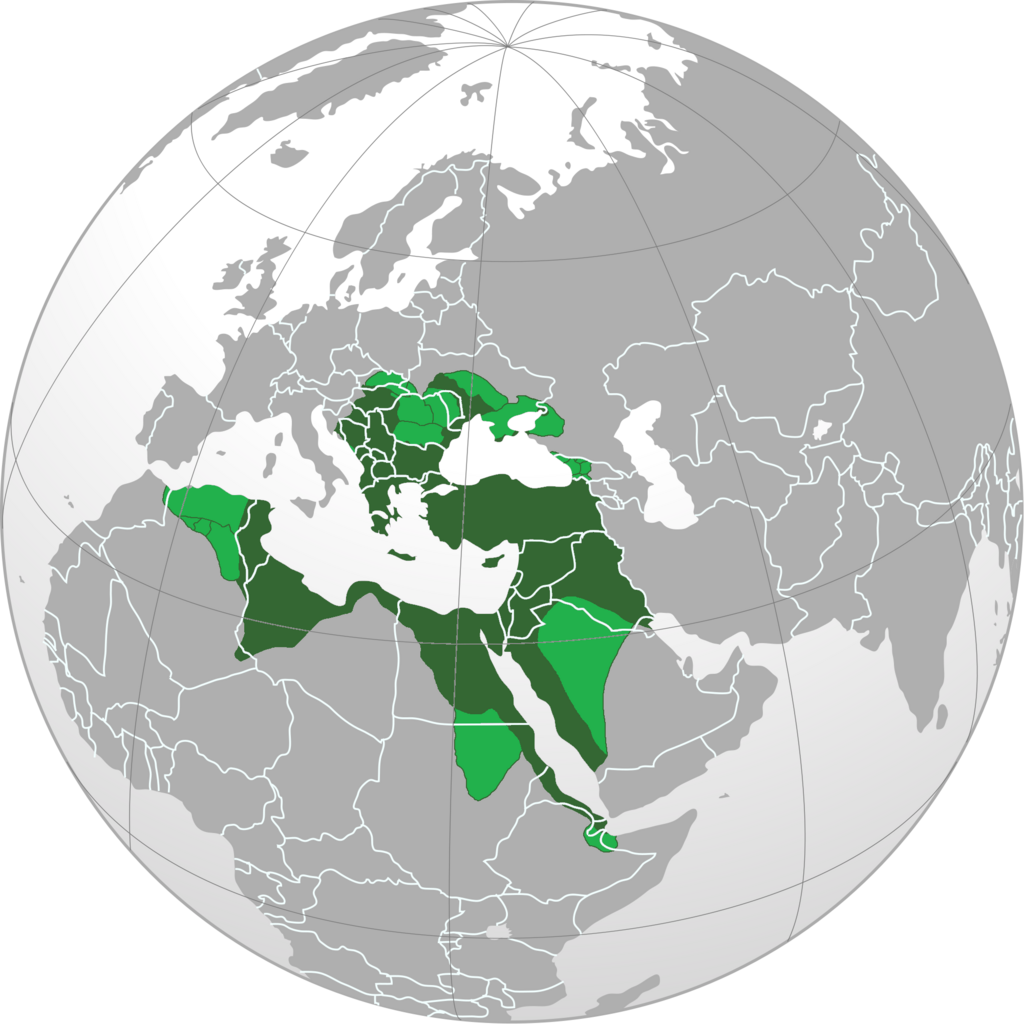
Between 1450 and 1750, empires like the Ottomans, Safavids, and Mughals weren't just conquering territory—they were engineering new ways to control it. Winning a battle was one thing; running a vast, diverse empire for centuries was another. This required a sophisticated toolkit of administrative, military, and cultural strategies. At the heart of this state-building project was a simple goal: centralize power in the hands of the ruler.
One of the most effective methods was to create a class of bureaucratic elites who owed their loyalty directly to the state, not to local families or regional powers. The Ottoman Empire perfected this with the Devshirme system. Christian boys from conquered territories in the Balkans were recruited, converted to Islam, and trained for elite military or administrative roles. The most famous of these were the Janissaries, a formidable infantry force loyal only to the Sultan.
This system created a pool of talented officials and soldiers who had no competing loyalties. Their power and status came directly from the Sultan, making them a reliable instrument of central authority.
Financing the Empire
A powerful state needs money. Empires developed sophisticated systems to collect taxes to fund their armies and bureaucracies. In the Mughal Empire, this task fell to a group of officials known as Zamindarss. These individuals were given grants of land and were responsible for collecting taxes from the peasants who worked it. A portion of the revenue was sent to the central government, while the Zamindar kept the rest.
While this system was effective for revenue collection, it had its own challenges. If the central government weakened, powerful Zamindars could become more like independent rulers in their own right, keeping more of the tax revenue and challenging the emperor's authority. Managing these powerful intermediaries was a constant balancing act for the Mughal rulers.
| Empire | Bureaucratic/Tax Elite | Role |
|---|---|---|
| Ottoman Empire | Janissaries (from Devshirme) | Elite soldiers and administrators loyal to the Sultan. |
| Mughal Empire | Zamindars | Local officials responsible for collecting taxes. |
| Japan | Salaried Samurai | Former warriors turned into a paid bureaucracy. |
The Power of Powder and Portraits
Military technology was a key driver of imperial expansion. The mastery of cannons and firearms allowed the Ottomans, Safavids, and Mughals to overpower rivals and batter down traditional fortifications. These "Gunpowder Empires" used their technological edge to build and defend their vast territories. Centralized control was necessary to manufacture cannons, train artillery units, and maintain a steady supply of gunpowder, giving state-sponsored armies a decisive advantage.
But power wasn't just about force; it was also about image. Rulers used art and architecture to legitimize their rule and inspire awe. In Qing China, for instance, imperial portraits depicted emperors as stoic Confucian scholars, skilled warriors, or even Buddhist deities. These portraits were not just personal keepsakes; they were political tools. They were displayed in palaces and used in ceremonies to project an image of the emperor as the rightful, divinely sanctioned, and multi-faceted ruler of a diverse empire.
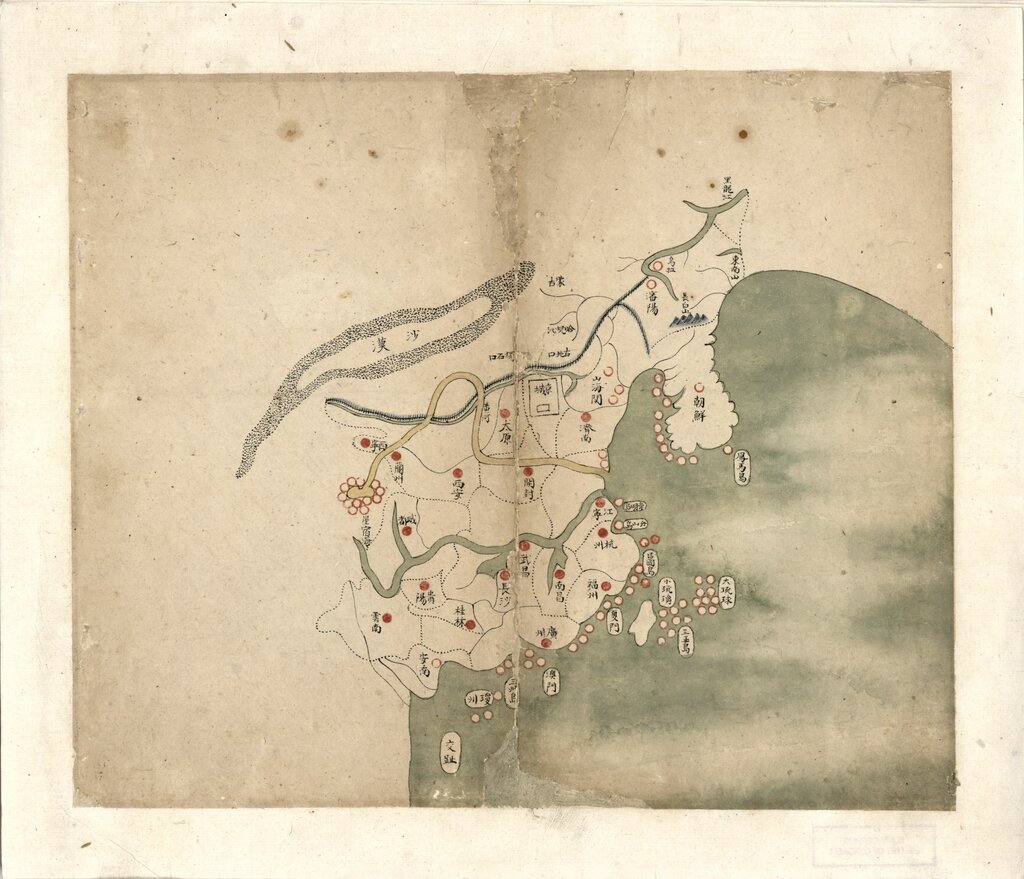
The expansion of state bureaucracy transformed Tier I states in the Ottoman Empire into modern centralized governments.
Now that you've seen how empires were built, let's test your knowledge.
What was the primary purpose of the Ottoman Devshirme system?
In the Mughal Empire, what was the main function of the Zamindars?
From military innovations to the creation of loyal elites, the consolidation of land empires was a complex and deliberate process. These methods ensured that once territory was won, it could be effectively governed for generations.