AP Biology Cell Structure and Function Deep Dive
Prokaryotic and Eukaryotic Cells
The Two Types of Cells
All living things are made of cells, but not all cells are built the same way. At the most fundamental level, we can sort all life on Earth into two groups based on their cellular structure: prokaryotes and eukaryotes. The main difference comes down to a single, crucial feature: the presence of a nucleus.
Prokaryotes The Simplest Form
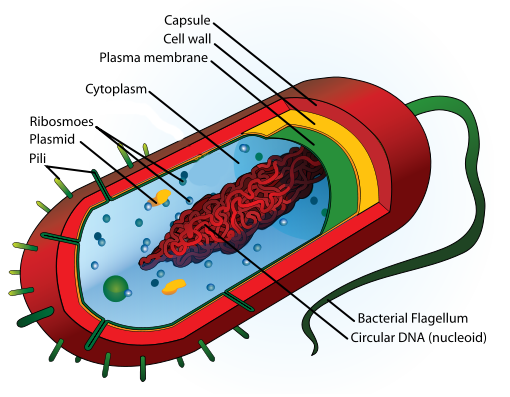
Prokaryotic cells are the simplest and most ancient type of cell. The name “prokaryote” comes from Greek, meaning “before the kernel,” which refers to the nucleus. These cells have no nucleus. Instead, their genetic material, a single circular loop of DNA, floats in a region of the cytoplasm called the nucleoid.
Prokaryotic cells lack a nucleus and other membrane-bound compartments. Their DNA is located in a region called the nucleoid.
They also lack the complex, membrane-bound organelles found in more advanced cells. While they have ribosomes to build proteins, they don't have structures like mitochondria or an endoplasmic reticulum. Their small size and simple structure allow them to reproduce quickly. Bacteria and archaea are the two domains of life that consist of prokaryotic cells.
Eukaryotes A Cell with Rooms
Eukaryotic cells are larger and much more complex. The name “eukaryote” means “true kernel,” highlighting their defining feature: a membrane-bound nucleus that protects the cell's genetic material. This nucleus acts like a secure office for the cell's DNA.
Beyond the nucleus, eukaryotic cells are filled with a variety of other membrane-bound organelles. You can think of these organelles as different rooms in a house, each with a specific job. For example, mitochondria are the power plants, generating energy, while the Golgi apparatus acts as the mailroom, packaging and shipping proteins. This compartmentalization allows for greater efficiency and specialization.
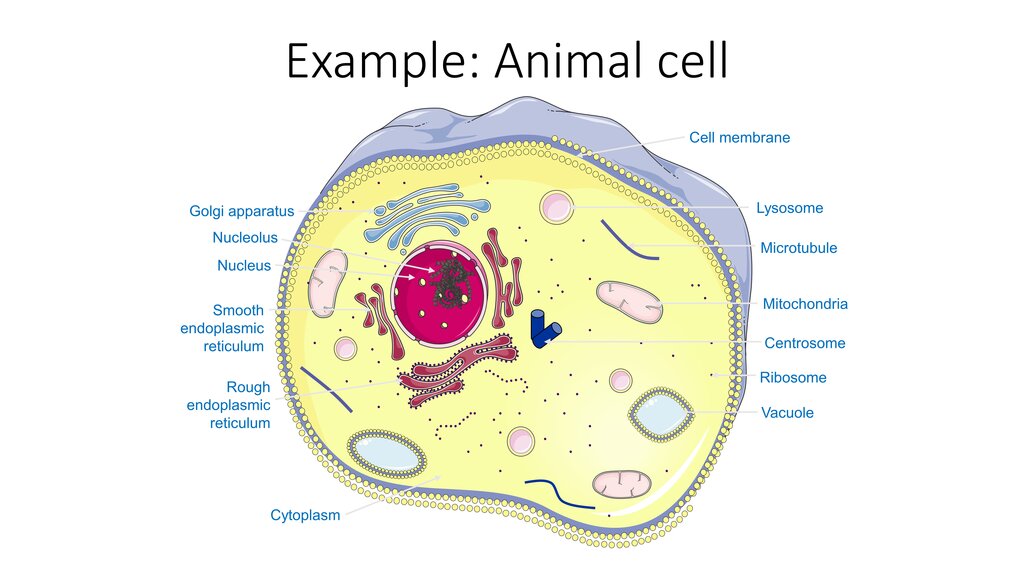
All animals, plants, fungi, and protists are eukaryotes. This complexity allows them to form vast, multicellular organisms like trees and humans.
| Feature | Prokaryotic Cell | Eukaryotic Cell |
|---|---|---|
| Nucleus | Absent | Present |
| DNA Structure | Single, circular molecule | Multiple, linear chromosomes |
| Organelles | No membrane-bound organelles | Many membrane-bound organelles |
| Typical Size | Smaller (0.1–5 μm) | Larger (10–100 μm) |
| Examples | Bacteria, Archaea | Plants, Animals, Fungi, Protists |
An Evolutionary Leap
The fossil record shows that prokaryotes were the first life forms on Earth. So where did the more complex eukaryotes come from? The leading theory is endosymbiosis. It suggests that eukaryotic cells evolved when a large ancestral prokaryote engulfed smaller prokaryotes.
Instead of being digested, these smaller cells lived on inside their host, forming a symbiotic relationship. An engulfed bacterium that could generate energy became the mitochondrion. A photosynthetic bacterium became the chloroplast in plant cells. This partnership was a major evolutionary leap, allowing for the incredible diversity of life we see today.
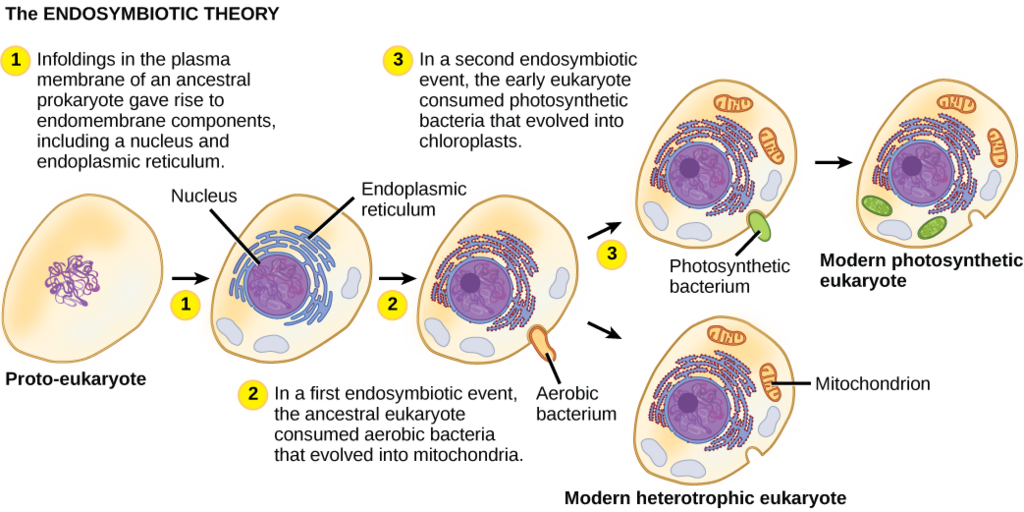
Understanding this fundamental split between prokaryotes and eukaryotes is key to understanding all of biology, from single-celled bacteria to the complex systems that make up our own bodies.
What is the primary feature that distinguishes eukaryotic cells from prokaryotic cells?
The endosymbiotic theory proposes that organelles like mitochondria and chloroplasts in eukaryotic cells were once...