Ants and Sweet Corn Growth
Ants and Sweet Corn
An Unlikely Partnership
When you picture a field of sweet corn, you probably think of tall green stalks and golden ears. You might not think about the tiny insects crawling around the roots and leaves. But ants play a surprisingly complex and important role in the life of a sweet corn plant. Their relationship is a mix of helpful and sometimes harmful interactions that shape the health of the crop.
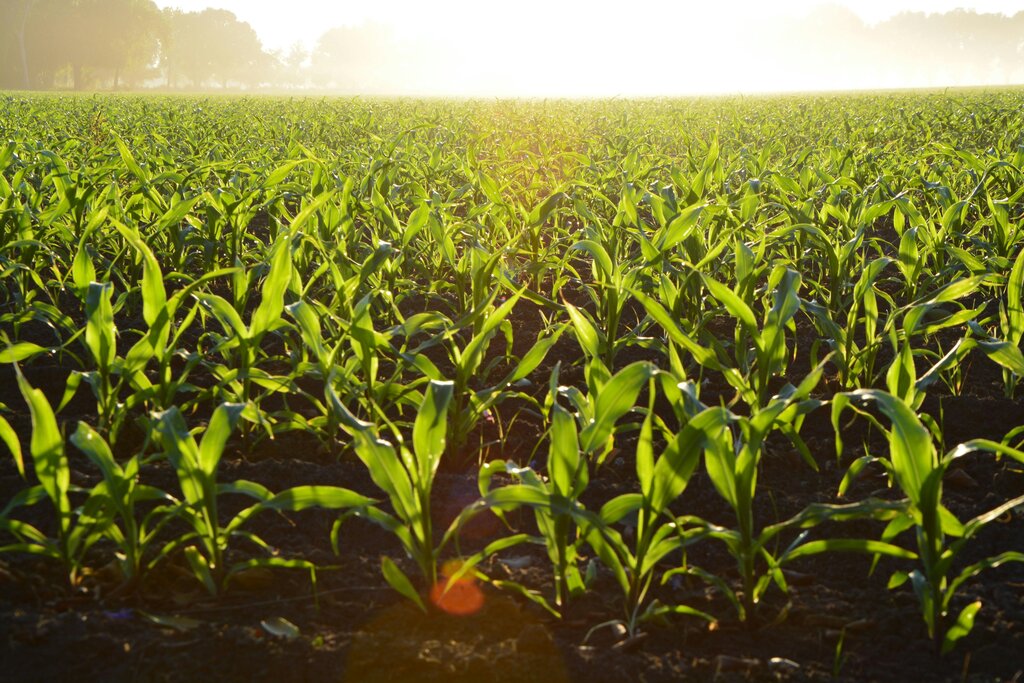
From defending the plant against pests to changing the very soil it grows in, ants are busy workers in the cornfield ecosystem. Understanding their role helps us see the hidden connections that exist in nature, even in a farmer's field.
Pest Control Patrol
One of the most significant jobs ants perform is pest control. Corn plants are a target for many hungry insects, such as caterpillars and beetles, that can chew through leaves and damage the ears. Ants are aggressive predators and will often attack and eat these pests, acting as a natural defense force for the plant.
However, the story gets more complicated when it comes to aphids. Aphids are tiny insects that suck the sap from plants, which can weaken the corn. They also excrete a sugary liquid called honeydew. Ants love this sweet treat and have a special relationship with aphids, much like a farmer tending to livestock.
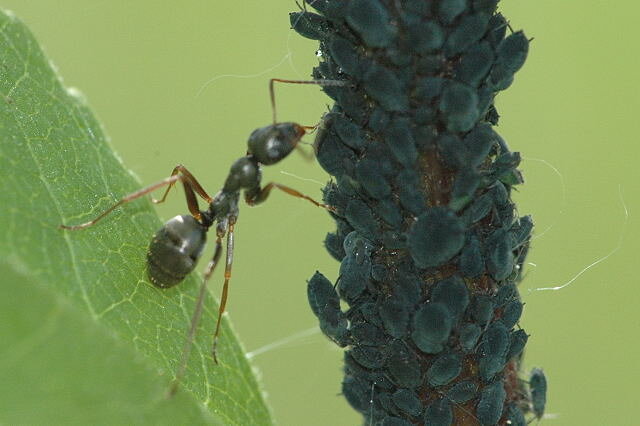
Ants will protect aphids from other predators, like ladybugs, and even move them to the best parts of the plant to feed. In exchange, they get a constant supply of honeydew. This is a classic example of mutualism, where two different species benefit from interacting.
So, are ants good or bad for the corn in this case? It's a trade-off. While the ants' protection can lead to a larger aphid population, their presence also deters other, more destructive pests from settling on the corn.
The Pollination Question
Pollination is crucial for corn to develop kernels. Each silk strand on an ear of corn needs to be pollinated. Corn is primarily pollinated by the wind, which carries pollen from the tassels at the top of the plant to the silks below.
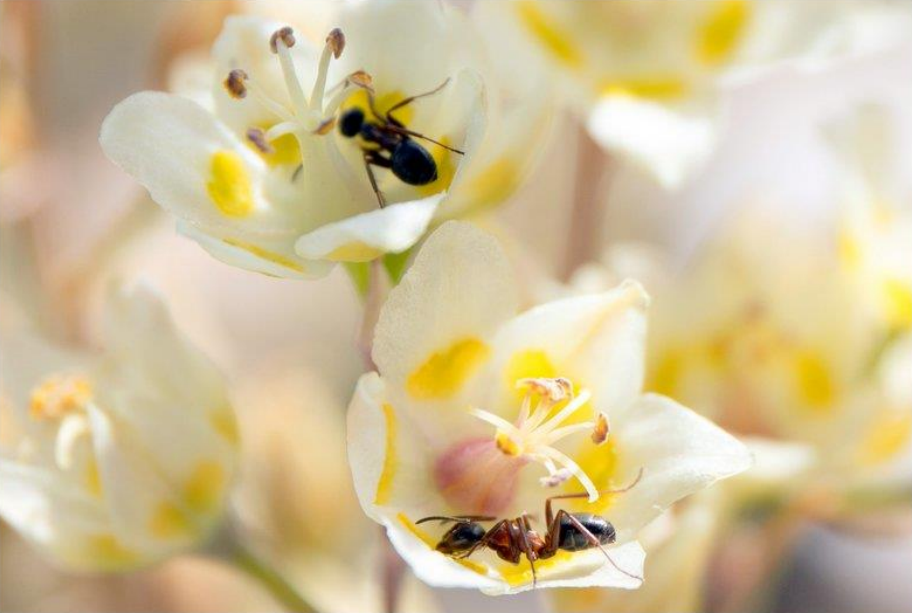
Ants are generally not considered significant pollinators for corn. Unlike bees, they don't have fuzzy bodies designed to carry large amounts of pollen. However, as they forage for nectar or hunt for other insects on the corn tassels and silks, they can accidentally pick up and transfer some pollen grains. This contribution is minor compared to the work of the wind, but it's another fascinating layer of their interaction with the plant.
Architects of the Soil
Perhaps the most beneficial role ants play for sweet corn happens underground. Ant colonies build extensive networks of tunnels and chambers. This activity, called bioturbation, has a huge impact on soil health.
Their tunneling aerates the soil, creating channels that allow air and water to penetrate deeper. This is vital for the corn's roots, which need oxygen to function and deep water sources during dry periods. Better aeration and water infiltration mean healthier roots and a more resilient plant.
Furthermore, ants improve soil fertility. They bring organic matter like dead insects and plant debris into their nests. As this material decomposes, it releases nutrients into the soil, creating pockets of rich fertilizer that the corn roots can tap into. They also move soil particles around, mixing different layers and improving the overall soil structure.
Now, let's test your knowledge on the complex world of ants and sweet corn.
What is the primary benefit ants provide to sweet corn underground?
True or False: Ants are considered major pollinators for sweet corn, similar to bees.
The relationship between ants and sweet corn shows how interconnected an ecosystem is. A single insect can be a pest controller, a minor pollinator, and a soil engineer all at once.