Antony Waste Handling Cell Business Deep Dive
Introduction to Antony Waste Handling Cell
Who Is Antony Waste?
Antony Waste Handling Cell, or AWHCL, is one of India's leading companies in managing municipal solid waste (MSW). Founded in 2001, the company has grown from a small operation into a major force for urban cleanliness. They specialize in handling the everyday trash generated by homes, offices, and public spaces in cities.
Think about all the garbage a city produces in a single day. It's a massive, complex challenge. AWHCL provides end-to-end solutions, meaning they manage the entire lifecycle of waste, from the moment it's thrown out to its final disposal.
The Full Cycle of Waste
Managing a city's waste involves a chain of carefully coordinated steps. AWHCL's core services cover every link in this chain.
- Collection: This is the first step. It involves gathering waste directly from residential neighborhoods and commercial areas. Fleets of specialized trucks and a large workforce are deployed daily to collect trash from bins and designated drop-off points.
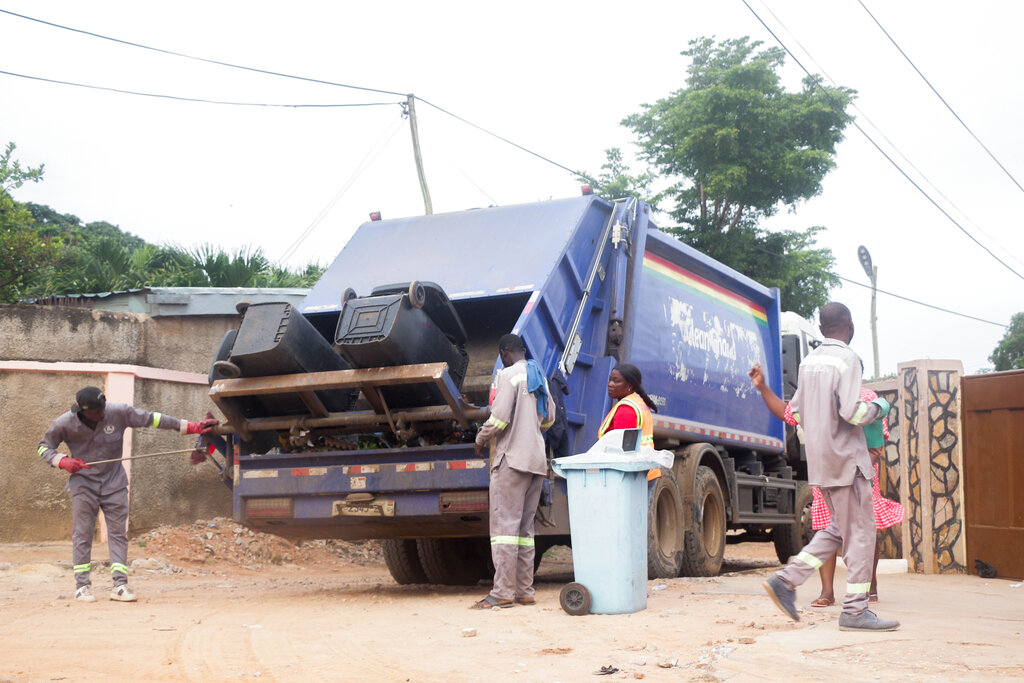
- Transportation: Once collected, the waste needs to be moved efficiently. AWHCL uses a large fleet of vehicles, including compactors that squeeze the trash to reduce its volume, to transport it from the city streets to processing facilities or disposal sites.
- Processing: Not all waste is destined for the dump. At processing facilities, MSW is sorted. Recyclable materials like plastic, metal, and paper are separated. Organic waste can be turned into compost. This step is crucial for reducing the amount of trash that ends up in landfills.
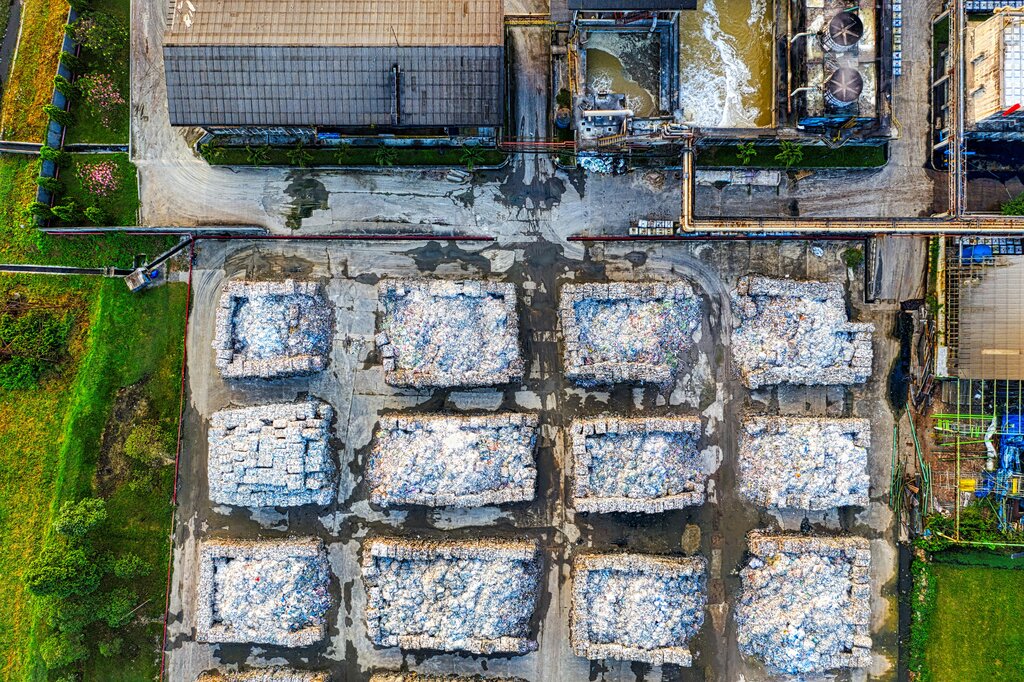
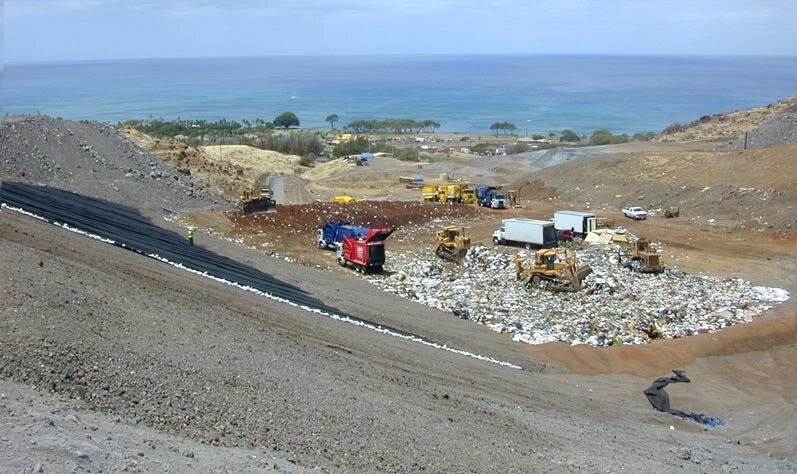
- Disposal: What's left after sorting and processing is taken for final disposal. This is typically done in scientifically managed landfills. These are not just open dumps; they are engineered sites designed to contain waste safely and minimize environmental impact.
A Tale of One City
To understand the scale of AWHCL's work, look at Mumbai. As one of the world's most populous cities, it generates thousands of tons of waste every day. AWHCL is the primary manager of this monumental task, handling nearly 90% of the city's municipal waste.
Their projects in Mumbai involve operating and maintaining the Kanjurmarg and Deonar landfills, two of the city's largest waste processing and disposal sites. This makes the company absolutely vital to keeping Mumbai functioning and clean.
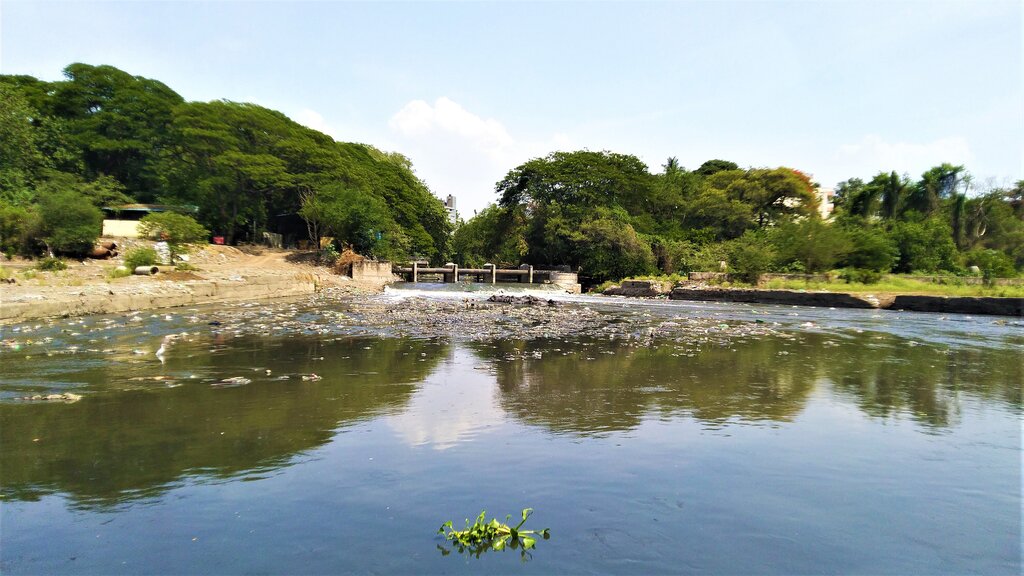
Beyond Mumbai, AWHCL has a significant operational footprint. The company manages projects in other major cities and states, including Delhi, Noida, and parts of Maharashtra, solidifying its position as a key player across the country.
Beyond the Landfill
As waste management evolves, so does AWHCL. The company is actively expanding into waste-to-energy (WTE) projects. This modern approach involves incinerating non-recyclable waste in controlled environments to generate steam, which then turns turbines to produce electricity.
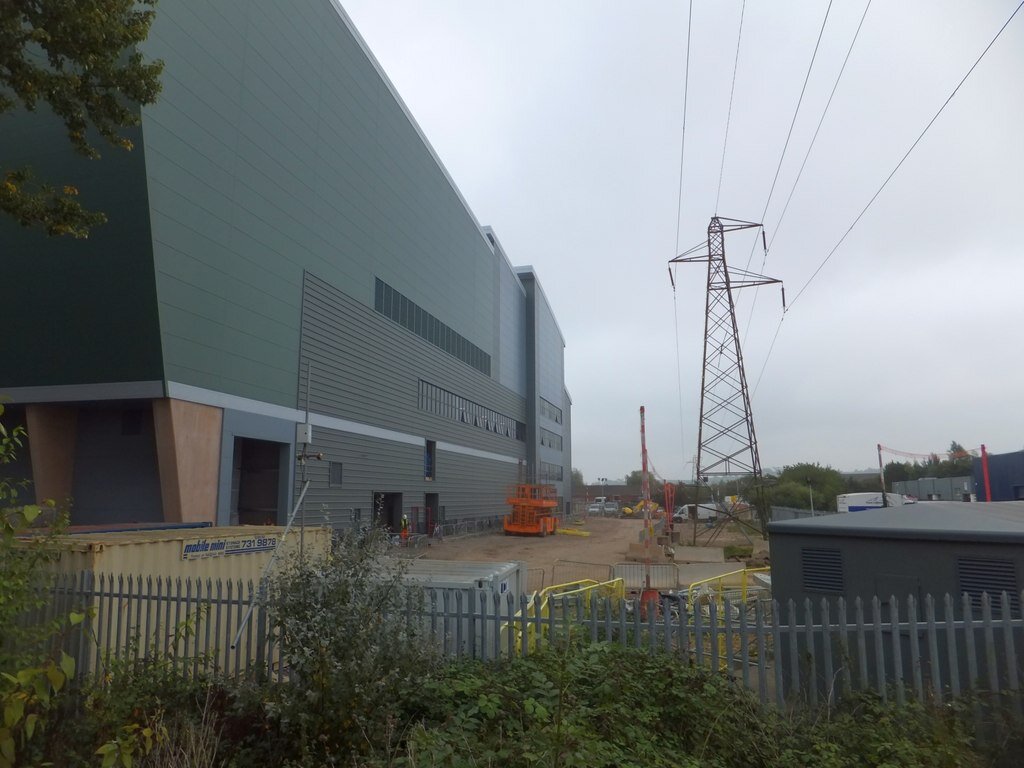
WTE technology serves two purposes: it drastically reduces the volume of waste that needs to be landfilled, and it creates a source of renewable energy. AWHCL's Pimpri-Chinchwad WTE plant near Pune is a prime example of this forward-thinking strategy. By investing in such projects, the company is moving beyond simple disposal and toward a more sustainable model of resource recovery.
Time to review what you've learned about this key player in waste management.
What is the primary focus of Antony Waste Handling Cell's (AWHCL) business?
AWHCL's waste-to-energy (WTE) plant in Pimpri-Chinchwad is an example of the company's move toward a more sustainable model.