Antibody Essentials
Introduction to Immunology
Your Body's Defense System
Your body has a dedicated defense network called the immune system. It's a complex collection of cells, tissues, and organs that work together to protect you from harmful invaders like bacteria, viruses, and other germs, collectively known as pathogens.
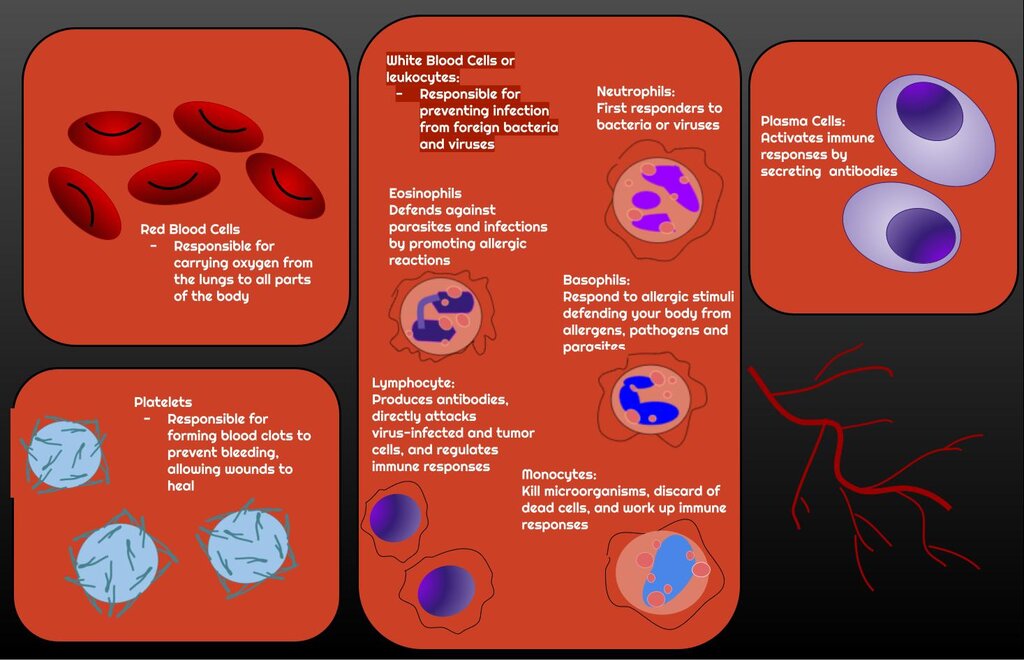
Think of it as a vigilant army, constantly on patrol. Its primary mission is to recognize the difference between your own healthy cells and foreign ones. When it spots an intruder, it launches a coordinated attack to neutralize the threat. This defense system operates on two main levels.
Two Lines of Defense
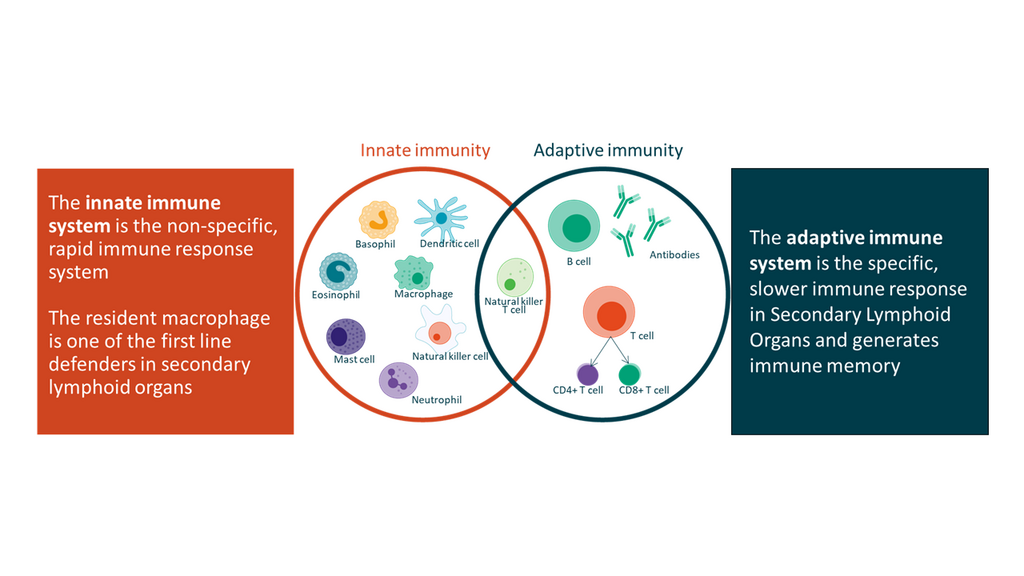
The immune system is divided into two main branches: innate immunity and adaptive immunity. You are born with innate immunity. It's the body's first and immediate line of defense. When a pathogen enters your body, the innate system responds rapidly. It's a general, non-specific response, like a security guard that confronts any unauthorized person on sight.
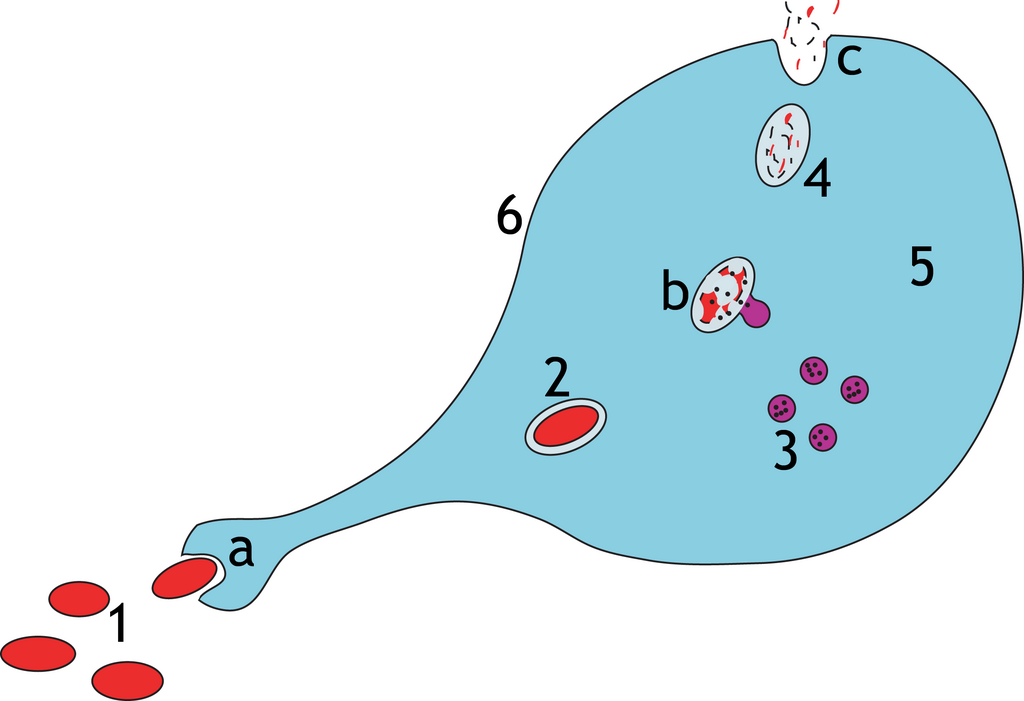
This system includes physical barriers like your skin, as well as specialized white blood cells called phagocytes. Phagocytes, such as macrophages and neutrophils, act like cellular cleaners, engulfing and digesting any foreign material they encounter.
Adaptive immunity is the second line of defense. It's more sophisticated and develops over your lifetime as you're exposed to different pathogens. Unlike the innate system, the adaptive response is highly specific. It can recognize particular pathogens and mount a tailored attack against them. This system also has a remarkable memory.
Key players in adaptive immunity are white blood cells called lymphocytes, specifically T cells and B cells. They work together to identify threats and create a lasting defense.
The memory function of the adaptive immune system is crucial. After defeating a pathogen, it remembers it. If the same pathogen tries to invade again, the immune system recognizes it immediately and launches a much faster and stronger attack, often preventing you from feeling sick at all. This is the principle behind vaccines.
Antibodies The Special Agents
A critical weapon in the adaptive immune system's arsenal is the antibody. Antibodies are specialized, Y-shaped proteins produced by B cells in response to a specific pathogen.
Antibody
noun
A protein produced by B cells that is used by the immune system to identify and neutralize foreign objects such as pathogenic bacteria and viruses. Also known as an immunoglobulin.
Each antibody is designed to recognize and bind to a unique part of a pathogen, called an antigen. This binding process doesn't usually kill the pathogen directly. Instead, it acts like a tag, marking the invader for destruction.
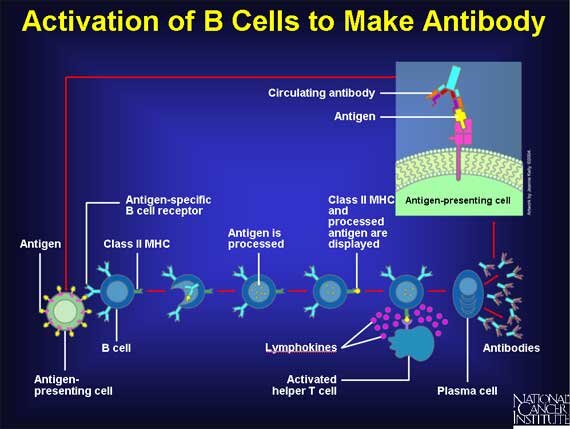
Once a pathogen is tagged by antibodies, other parts of the immune system can easily find and eliminate it. For example, phagocytes are much more efficient at engulfing antibody-coated invaders. This tagging mechanism is a simple but highly effective way for the adaptive immune system to direct the attack and clear an infection.
Antibodies act like flare guns, marking targets for the heavy machinery of the immune system to destroy.
Let's check your understanding of these core concepts.
What is the primary mission of the immune system?
A key feature of the __________ immune system is its ability to 'remember' pathogens, which is the principle that makes vaccines effective.