Antibiotics Without Prescription
Antibiotic Regulations in France
Getting Antibiotics in France
In France, getting antibiotics isn't as simple as walking into a pharmacy and asking for them. The system is built around a core principle: medical supervision. For decades, the rule has been firm that you need a prescription from a doctor. This isn't just a suggestion; it's a legal requirement enforced across the country.
Prescription
This means that if you feel sick and think you need an antibiotic, your first stop is a doctor's office, not the pharmacy. A physician must evaluate your symptoms, make a diagnosis, and then write an ordonnance if they determine a bacterial infection is present and requires antibiotic treatment.
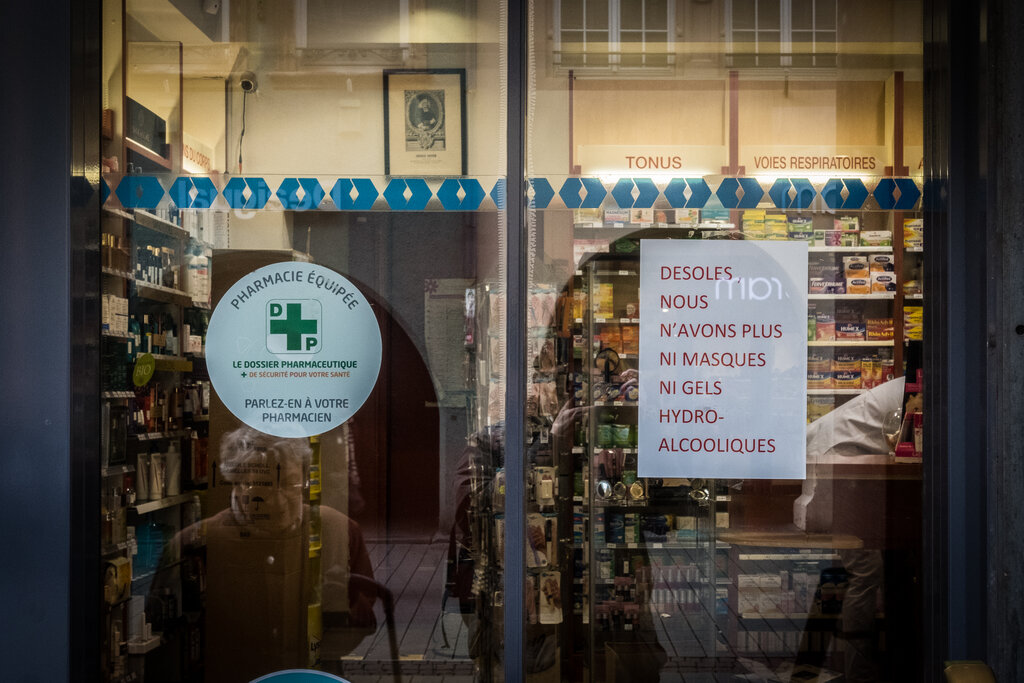
This gatekeeping role for doctors is central to the French healthcare philosophy. It aims to ensure that these powerful medicines are used only when necessary, preventing misuse that could harm both the individual and the community.
A New Role for Pharmacists
Recently, the French government has updated its approach. While the doctor's prescription remains the standard, new legislation has carved out specific exceptions to make healthcare more accessible for common ailments. Pharmacists are now authorized to dispense antibiotics for certain conditions without a prior doctor's visit, but only under strict protocols.
This new authority is limited to two specific, uncomplicated infections: cystitis (a common type of urinary tract infection) in women and bacterial angina (a sore throat caused by streptococcus bacteria).
Pharmacists cannot simply hand over medication. They must first perform a diagnostic test to confirm a bacterial infection.
The process is straightforward. If you have symptoms of one of these conditions, you can go to a pharmacy. The pharmacist will administer a Test Rapide d'Orientation Diagnostique (TROD), or Rapid Diagnostic Orientation Test. For a sore throat, this test determines if it's caused by streptococcus bacteria. For cystitis, a urine test strip is used. If the test is positive and the patient meets specific criteria (for example, no signs of a more complicated infection), the pharmacist can dispense a targeted antibiotic. If the test is negative, no antibiotic is given.
The Fight Against Resistance
Why all these rules? The primary reason is the global battle against antimicrobial resistance (AMR). When bacteria are exposed to antibiotics, they can evolve to survive the drug. The more we use antibiotics—especially when they're not needed—the more opportunities we give bacteria to become resistant. Over time, this makes infections harder, and sometimes impossible, to treat.
France has historically had one of the highest rates of antibiotic consumption in Europe, which prompted major public health campaigns. You might have heard the famous slogan, "Les antibiotiques, c'est pas automatique"—antibiotics are not automatic. The regulations are a direct effort to change behavior and preserve the effectiveness of these life-saving drugs.

The new rules allowing pharmacists to test and treat are designed with this in mind. By requiring a positive diagnostic test, the system ensures that antibiotics are only used for confirmed bacterial infections, not for viral illnesses like the common cold or most sore throats, against which they are useless. This approach aims to strike a balance: improving access to care for simple infections while maintaining strict control to curb antibiotic resistance.
What is the primary reason for France's strict regulations on antibiotic distribution?
Under new French law, a pharmacist can dispense antibiotics without a doctor's prescription for a sore throat, but only if what condition is met?
This careful, evidence-based approach is key to protecting public health for the long term.