Antibiotics and Microbiology
Introduction to Antibiotics
The Dawn of a Medical Revolution
For most of human history, a small cut could be a death sentence. Bacterial infections were a leading cause of death, and doctors had few tools to fight them. That all changed with the discovery of antibiotics, drugs that can kill bacteria or stop them from growing.
antibiotic
noun
A type of antimicrobial substance active against bacteria. It is the most important type of antibacterial agent for fighting bacterial infections.
The story of antibiotics famously begins with a bit of luck. In 1928, a Scottish scientist named Alexander Fleming returned to his lab after a vacation and noticed something odd. A petri dish he had forgotten to clean was contaminated with mold, and around the mold, the bacteria had been killed. That mold, a species of Penicillium, produced a substance that could destroy bacteria.
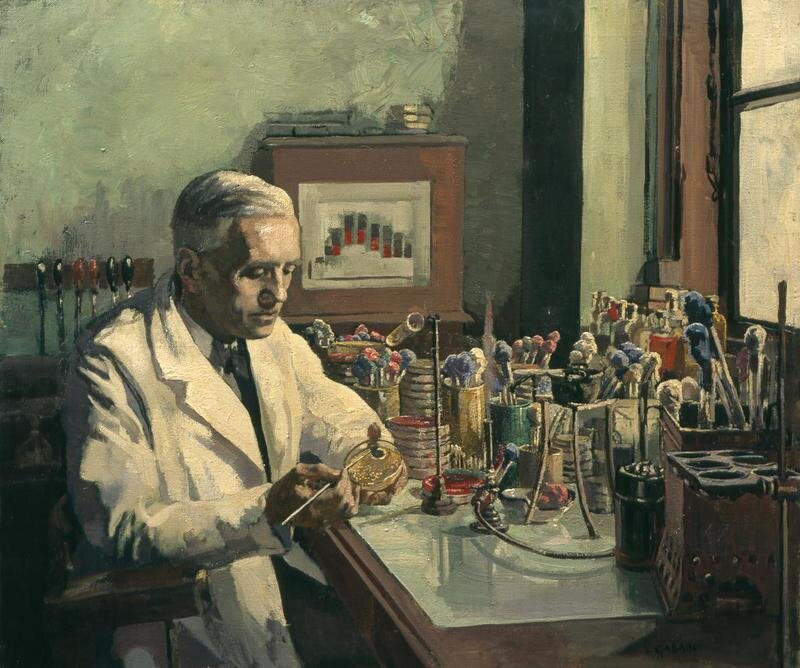
Fleming's discovery of penicillin kicked off a new era in medicine. Scientists began searching for other natural substances that could fight bacteria. This led to the “golden age” of antibiotic discovery from the 1940s to the 1960s, where many of the antibiotic classes we use today were first identified.
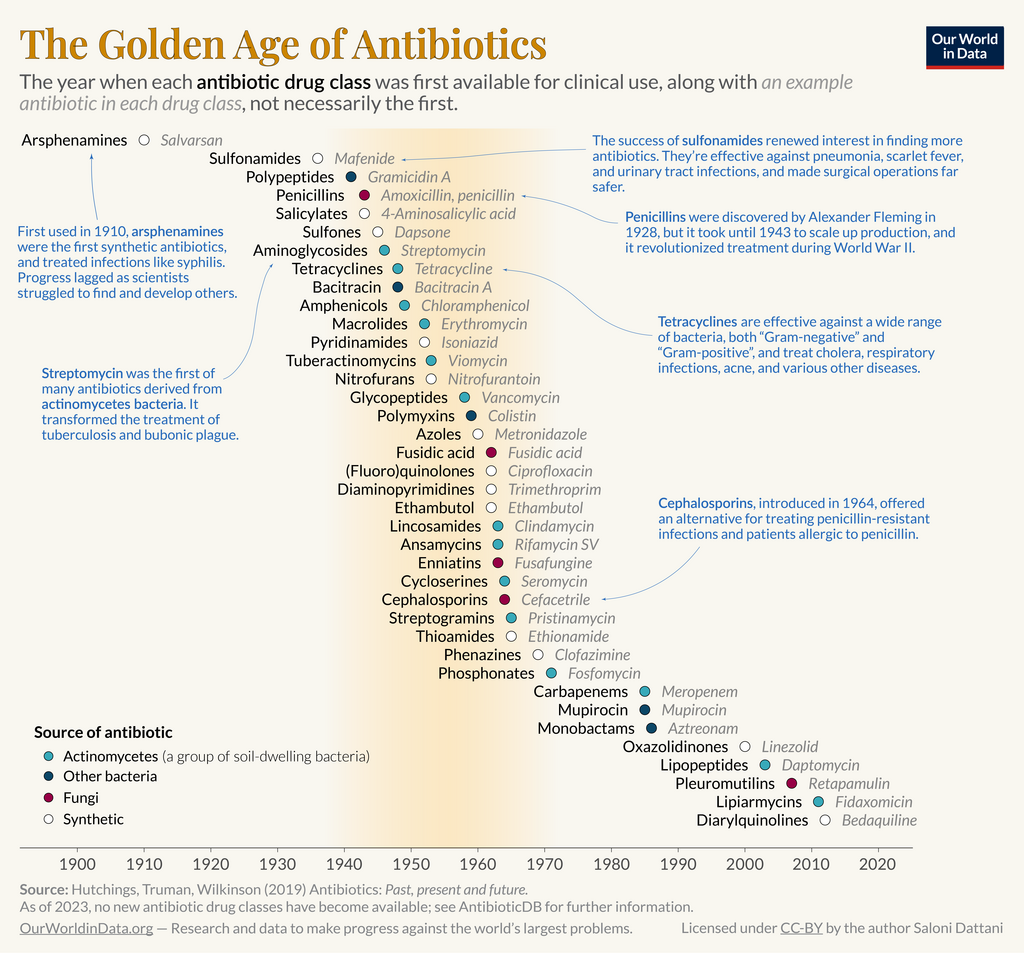
The introduction of the first antimicrobial drugs, known as sulfonamides, in the 1930s presented a significant breakthrough in the fight against infectious disease and paved the way for the antibiotic revolution in medicine.
Killers vs Slowers
Not all antibiotics work the same way. They are generally grouped into two main categories based on how they affect bacteria.
Bactericidal agents are the killers. They destroy bacteria outright, usually by disrupting the formation of the bacterial cell wall or cell contents.
Bacteriostatic agents are the slowers. They don't kill the bacteria directly. Instead, they inhibit the bacteria's ability to multiply, giving your immune system the time and opportunity to clear the infection.
The choice between a bactericidal or bacteriostatic antibiotic depends on the type of infection and the patient's health. For someone with a weakened immune system, a bactericidal drug is often preferred.
Selective Toxicity
You might wonder: if antibiotics are so good at killing bacteria, why don't they harm our own cells? The answer lies in a principle called selective toxicity.
Bacterial cells are different from human cells in many ways. They have cell walls, while our cells do not. Their ribosomes, the machinery that builds proteins, are a different size and shape. Antibiotics are designed to target these unique features of bacteria. This allows them to attack the invading microbes without damaging the host's cells.
Think of it like a key that only fits the lock on the bacterial cell. It can enter and disable the bacterium, but it can't fit the locks on your cells, leaving them unharmed.
This incredible precision is why antibiotics are so effective and have become a cornerstone of modern medicine.
A Foundation of Modern Medicine
It's hard to overstate the importance of antibiotics. Their discovery transformed medicine and has saved countless lives. Before antibiotics, surgeries were incredibly risky due to the high chance of post-operative infection. Organ transplants, chemotherapy for cancer, and care for premature babies would be nearly impossible without them.
They turned deadly diseases like pneumonia, tuberculosis, and sepsis into treatable conditions. In short, much of modern medicine is built on the foundation that we can control bacterial infections.
Ready to check your understanding? Let's see what you've learned about the basics of antibiotics.
Who is credited with the discovery of the first antibiotic, penicillin, after observing mold kill bacteria in a petri dish?
An antibiotic that stops bacteria from multiplying, giving the immune system a chance to clear the infection, is known as a ________ agent.
Understanding what antibiotics are and where they came from is the first step in learning how we use them to fight disease.