Antibiotic Resistance Evolution and Impact
Molecular Evasion Mechanisms
Molecular Evasion Tactics
Antibiotic resistance isn't just about a few hardy bacteria surviving a drug. It's an intricate, molecular arms race. Bacteria have evolved sophisticated defense systems that allow them to neutralize, block, or eject antibiotics before they can cause harm. These mechanisms are often encoded on mobile genetic elements like plasmids, allowing them to be shared between different bacteria, spreading resistance rapidly.
With each dose of antibiotics, a handful of bacteria survive and become resistant, and are then able to pass their immunity to future generations.
Understanding these strategies is key to developing new drugs that can outsmart these ancient defense systems. Let's explore the four most common molecular evasion tactics.
Deactivating the Threat
One of the most direct ways bacteria fight antibiotics is by destroying them. They produce enzymes that specifically target and inactivate drug molecules. The most famous examples are enzymes that break down beta-lactam antibiotics, a class that includes penicillin and its derivatives. These enzymes work by cleaving a specific chemical bond in the drug's core structure, called the beta-lactam ring, rendering the antibiotic completely useless.
Other enzymes can modify antibiotics by adding chemical groups, like acetyl or phosphate groups. This modification acts like a bulky lock on a key, preventing the drug from fitting into its target site in the bacterial cell.
Changing the Locks
Another clever strategy is to alter the antibiotic's target so the drug can no longer bind. If the lock is changed, the key won't work.
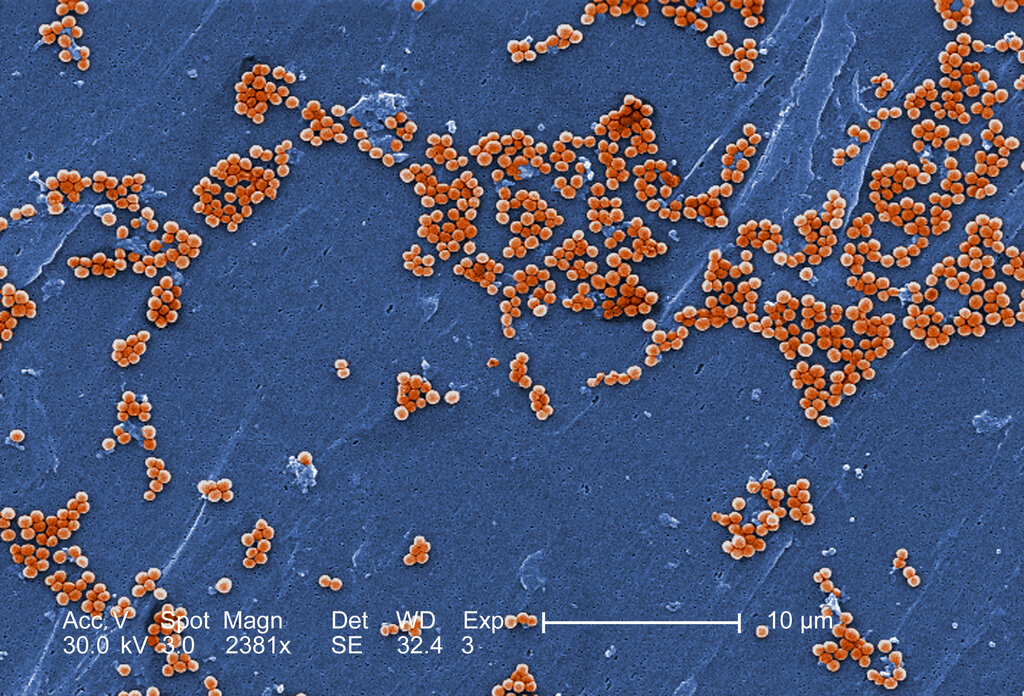
A classic example is Methicillin-resistant Staphylococcus aureus, better known as It achieves resistance by producing a modified Penicillin-Binding Protein (PBP), called PBP2a. Normal PBPs are essential for building the bacterial cell wall and are the primary target of penicillin. PBP2a, however, has a low affinity for beta-lactam antibiotics, so it can continue building the cell wall even when the drugs are present.
Similarly, bacteria can develop resistance to antibiotics that target their ribosomes, the cellular machinery for protein synthesis. By subtly altering the structure of the ribosome through mutation or enzymatic modification, bacteria can prevent drugs like tetracyclines and macrolides from binding and halting protein production.
Fortifying the Defenses
Some bacteria simply prevent antibiotics from ever reaching their targets. They do this in two main ways: reducing permeability and actively pumping the drugs out.
Gram-negative bacteria have an outer membrane that acts as a selective barrier. Antibiotics often enter through protein channels in this membrane called porins. By mutating the genes that code for these porins, bacteria can reduce their number or alter their shape, effectively closing the gates and making it much harder for drugs to get inside.
Even if an antibiotic does get in, it might not stay for long. Many bacteria are equipped with These are transport proteins embedded in the cell membrane that recognize a wide range of toxic substances, including antibiotics, and pump them out of the cell. Some pumps are highly specific, but multidrug resistance (MDR) pumps can expel a broad spectrum of different antibiotics, making a single bacterium resistant to multiple drug classes at once.
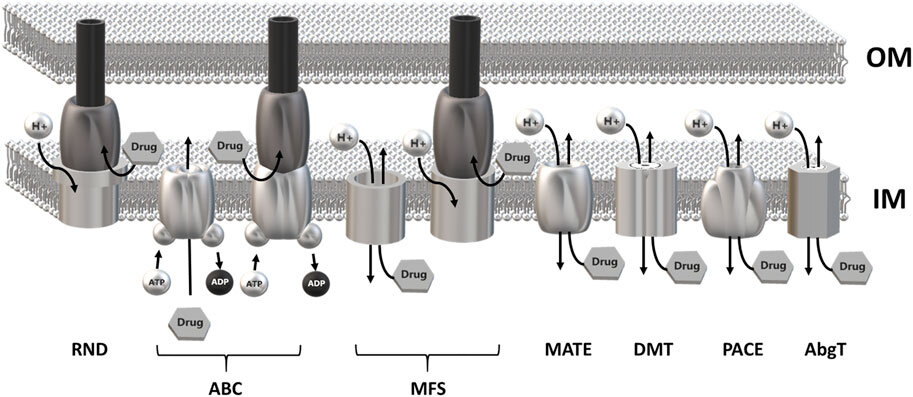
These four mechanisms—enzymatic degradation, target modification, reduced permeability, and efflux pumps—form the core of the bacterial defensive playbook. Often, a single resistant bacterium will use multiple strategies simultaneously, creating a formidable challenge for modern medicine.
What is the primary function of beta-lactamase enzymes in bacteria?
How does Methicillin-resistant Staphylococcus aureus (MRSA) primarily achieve its resistance to beta-lactam antibiotics?
This constant evolution highlights the need for a deeper understanding of bacterial defenses to stay one step ahead in the ongoing fight against antimicrobial resistance.