Anti-Aging Smoothie Nutrition
Cellular Senescence Science
The Zombie Cells Within
As our bodies age, not all cells die off neatly. Some enter a strange, twilight state called cellular senescences. Think of them as 'zombie cells.' They've stopped dividing and contributing to tissue repair, but they refuse to undergo programmed cell death. Instead, they linger, metabolically active and increasingly disruptive.
This process isn't inherently bad. Senescence is a powerful, natural mechanism that stops damaged cells from turning cancerous. It's a biological emergency brake. The problem arises when these senescent cells accumulate over time. Instead of being cleared out by the immune system, they build up in tissues throughout the body, creating a host of problems.
The Inflammatory Footprint
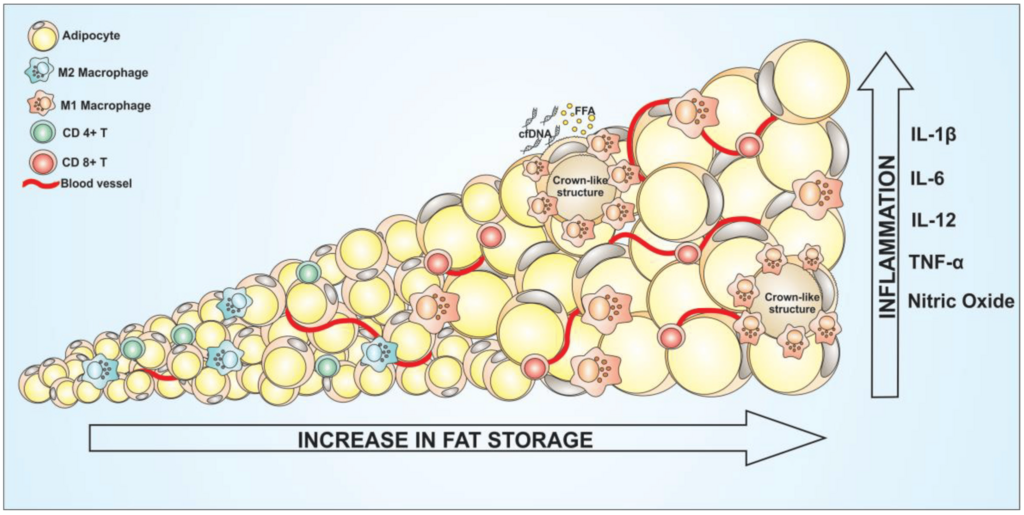
Zombie cells are not quiet residents. They actively secrete a cocktail of inflammatory proteins, including cytokines, chemokines, and enzymes that degrade the surrounding tissue. This toxic output is known as the (SASP).
The constant, low-grade inflammation driven by the SASP is a major contributor to what scientists call "inflammaging." It's a key driver of many age-related conditions, from stiff joints to cognitive decline. The more senescent cells you have, the more inflammatory noise they create, accelerating the aging process throughout your body.
Fighting Back with Senotherapeutics
Scientists are now developing strategies to combat these zombie cells. This emerging field is called senotherapeutics, and it has two main branches:
| Tactic | Goal | Analogy |
|---|---|---|
| Senolytics | Destroy and clear out existing senescent cells. | A specialized cleanup crew that selectively removes the zombies. |
| Senostatics | Suppress the harmful SASP from senescent cells. | Noise-canceling headphones that block the zombies' inflammatory signals. |
Many compounds found in food can have senotherapeutic properties. For example, flavonoids like quercetin (found in onions and apples) and fisetin (in strawberries) have shown senolytic activity. Other compounds, like resveratrol from grapes, may act as senostatics, calming the inflammatory output of these cells.
Triggers and Pathways
What causes a cell to become senescent in the first place? One major trigger is shortening. Telomeres are protective caps at the ends of our chromosomes, and they get a little shorter each time a cell divides. When they become critically short, the cell hits its division limit and enters senescence to prevent genetic instability.
Another powerful trigger is oxidative stress. This happens when there's an imbalance between damaging free radicals and the body's ability to neutralize them with antioxidants. This stress can cause direct DNA damage, pushing a cell into senescence prematurely, regardless of its telomere length.
Nutrients can influence this process by interacting with key cellular pathways. The is a primary defense system against oxidative stress. Certain compounds, like sulforaphane from broccoli sprouts, can activate Nrf2, boosting the cell's internal antioxidant production.
Another crucial pathway is mTOR, a central regulator of cell growth and metabolism. When mTOR is overactive, it promotes cell growth while inhibiting cellular recycling processes like autophagy. Chronic mTOR activation is linked to accelerated aging. Compounds like resveratrol can help inhibit mTOR, shifting the cell's focus from growth to maintenance and repair, which can help prevent cells from becoming senescent.
We focus on feasible nutritional strategies shown to delay aging and/or prevent diseases through epidemiological, model organism, clinical, and centenarian studies and underline the need to avoid malnourishment and frailty.
Understanding these mechanisms provides the 'why' behind using specific foods and nutrients. It's not just about calories or macros; it's about targeting the fundamental biology of aging at the cellular level.
What is the primary negative consequence of the accumulation of senescent cells?
A compound that specifically helps to kill and clear out existing 'zombie cells' is known as a: