Ansible Fundamentals for Automation
Introduction to Configuration Management
Keeping Systems in Sync
Imagine building a complex model with thousands of tiny pieces. Now imagine you have to build ten identical models. If you build each one by hand, tiny differences will inevitably creep in. One piece might be slightly crooked, another might be a different shade. In the world of IT, managing servers and applications is a lot like this, but the stakes are much higher.
This is where configuration management comes in. It’s the process of systematically handling changes to a system to maintain its integrity over time. Think of it as a detailed blueprint and an automated construction crew for your digital infrastructure. Instead of manually setting up each server, you define what the final state should look like, and the system makes it happen.
Configuration management ensures that all your systems, from development to production, are consistent, reliable, and predictable.
Without it, you run into a problem called "configuration drift." This happens when servers that were once identical slowly diverge as people make small, manual changes over time. One person updates a library to fix a bug, another tweaks a setting to improve performance. Soon, you have no idea why an application works on one server but fails on another. Drift makes systems fragile and difficult to troubleshoot.
The Power of Automation
The solution to configuration drift is automation. By defining your infrastructure as code, you create a single source of truth that can be applied to any number of systems. This approach brings several key benefits:
- Consistency: Every system built from the same blueprint is identical. This eliminates the "it works on my machine" problem.
- Efficiency: Setting up new servers or updating existing ones becomes incredibly fast. What used to take days of manual work can be done in minutes.
- Reliability: Automation removes the risk of human error. No more typos in configuration files or forgotten steps in a deployment process.
- Scalability: Need to scale from 10 servers to 100? With automation, it’s just as easy as setting up the first one.
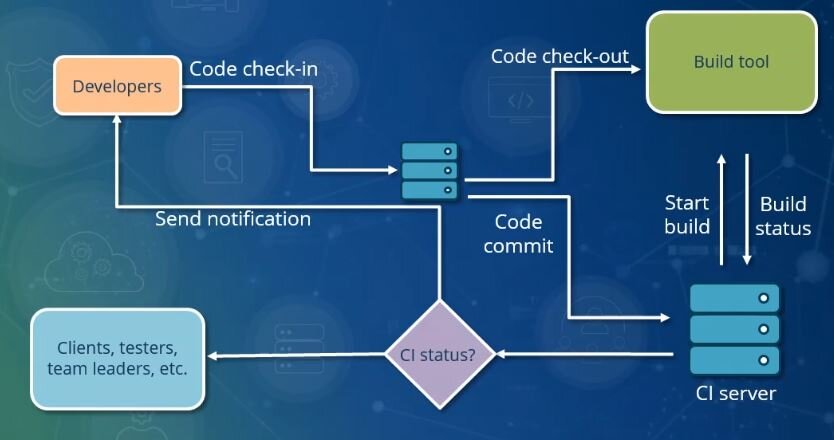
Automating your configuration management allows you to treat your infrastructure just like software. You can use version control (like Git) to track changes, collaborate with your team, and roll back to a previous state if something goes wrong.
Tools of the Trade
Several tools have been developed to tackle configuration management. Each has a slightly different philosophy and approach, but they all share the same goal: automating infrastructure. Here’s a quick look at some of the most popular options.
| Tool | Approach | How it Works |
|---|---|---|
| Ansible | Agentless | Connects to servers over SSH and runs tasks. Uses simple YAML files. |
| Puppet | Agent-based | An agent on each server pulls its configuration from a central master. |
| Chef | Agent-based | An agent on each server pulls "recipes" from a central server to configure itself. |
| SaltStack | Agent-based | Uses a fast, event-driven model for communication between master and agents. |
The distinction between "agent-based" and "agentless" is important. Agent-based tools require you to install special software on every server you want to manage. An agentless tool like Ansible doesn't require any extra software on the managed servers, which many find simpler to set up and maintain. We'll explore this more in the next section.
What is "configuration drift"?
According to the text, what is the most effective solution to configuration drift?