ANN vs RNN Neural Networks
Introduction to Neural Networks
The Brain as a Blueprint
Artificial neural networks are inspired by the structure of the human brain. Our brains are vast networks of cells called neurons, which communicate with each other through connections called synapses. An artificial neural network (ANN) is a computational model that mimics this structure to learn from data.
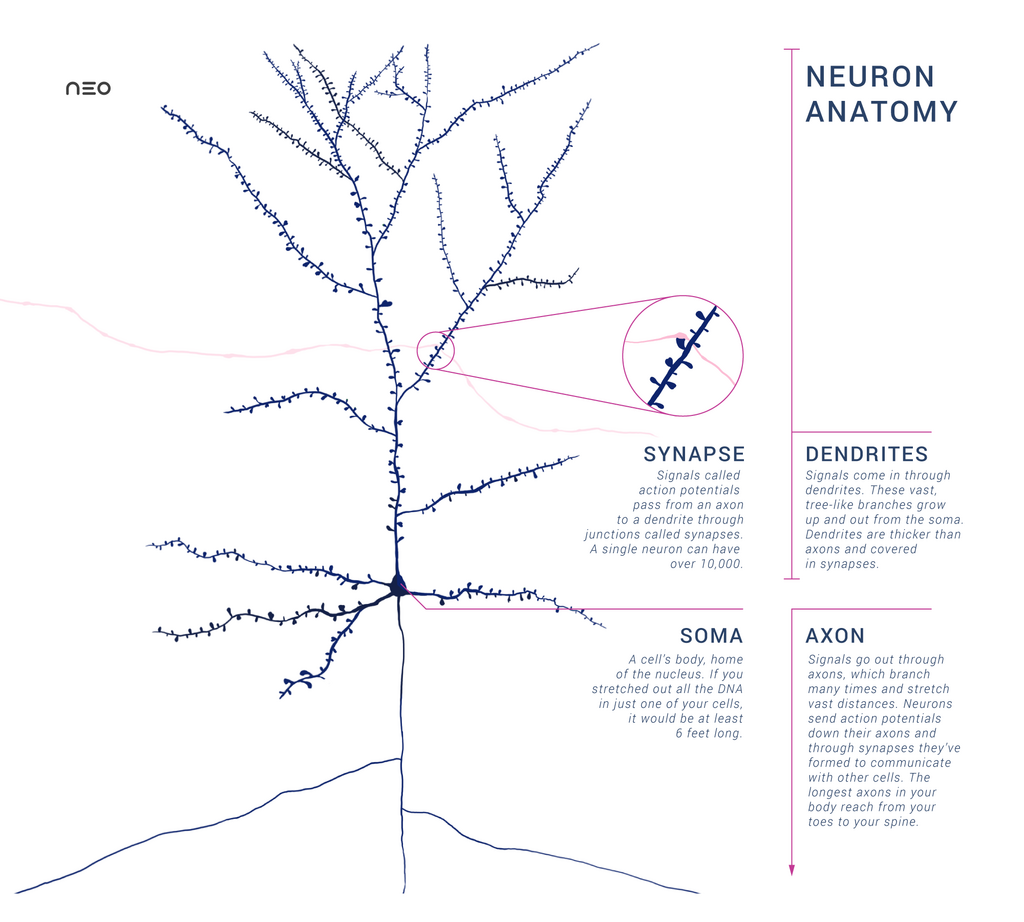
The fundamental unit of an ANN is the artificial neuron, sometimes called a node. Just like its biological counterpart, it receives input, processes it, and passes a signal along to other neurons.
neuron
noun
A basic unit of a neural network that receives inputs, processes them, and produces an output signal.
An artificial neuron takes multiple inputs, each with an associated weight. These weights are crucial; they represent the strength of the connection between neurons. A higher weight means the input has more influence on the neuron's output. The neuron sums these weighted inputs, adds a value called a bias, and then passes the result through an activation function to produce its final output.
Layers of Learning
A single neuron isn't very powerful on its own. The real strength of ANNs comes from organizing these neurons into layers. A typical network has at least three types of layers:
- Input Layer: This is the network's entry point. It receives the raw data, like the pixels of an image or the words in a sentence. Each neuron in this layer represents a single feature of the input data.
- Hidden Layers: These are the layers between the input and output. A network can have one or many hidden layers, and this is where most of the computation happens. The neurons in these layers detect patterns in the data, with each layer identifying progressively more complex features.
- Output Layer: This is the final layer. It produces the network's result, such as a classification (e.g., 'cat' or 'dog') or a numerical prediction (e.g., the price of a house).
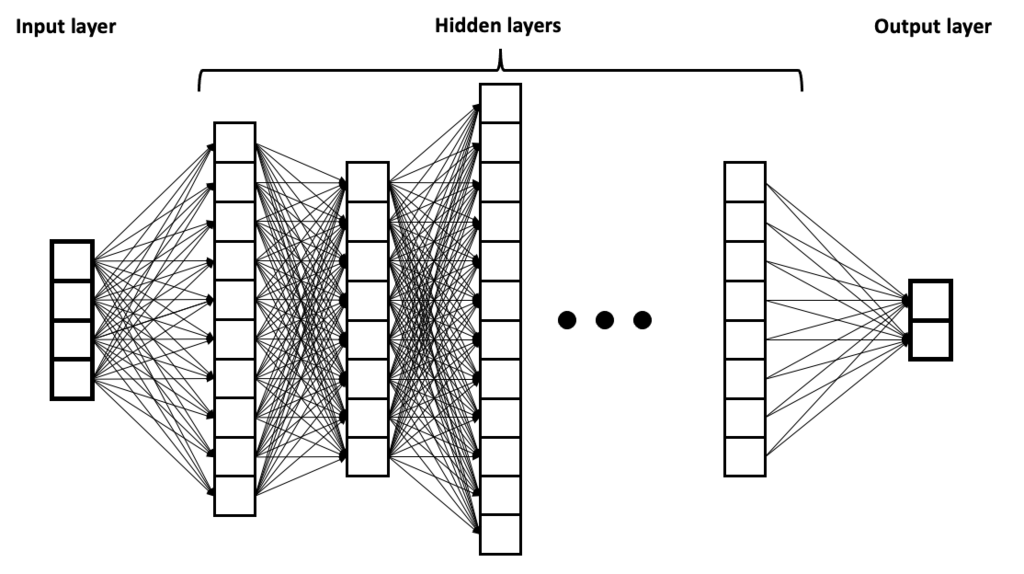
When a network has one or more hidden layers, it's often called a multilayer perceptron (MLP). The term "deep learning" simply refers to neural networks with many hidden layers, allowing them to learn very intricate patterns.
How a Network Thinks
A neural network learns in a two-part process. First, information flows forward through the network. Then, corrections flow backward.
This forward flow is called forward propagation. It starts when you feed data into the input layer. Each neuron in the first hidden layer receives signals from the input neurons, calculates its weighted sum, and applies its activation function. The outputs of this layer then become the inputs for the next layer. This process repeats, layer by layer, until the output layer produces a final result or prediction.
An activation function's job is to introduce non-linearity into the network. Without it, a neural network, no matter how many layers it has, would behave like a simple linear model, unable to learn complex patterns.
Once the network makes a prediction, we compare it to the actual, correct answer. The difference between the prediction and the reality is the network's error. This is where backward propagation comes in.
Backward propagation, or "backprop," is the learning algorithm. It works by sending the error signal backward through the network, starting from the output layer. As the error travels back, it tells each neuron how much it contributed to the overall error. Based on this feedback, the network adjusts the weights of its connections to reduce the error. It's like a student taking a test, getting a grade, and then studying to fix the mistakes for next time. This forward and backward process is repeated thousands or even millions of times, with the network gradually getting better at its task.
Putting Networks to Work
Thanks to their ability to learn complex patterns from data, ANNs are used in a huge range of applications. They power image recognition software that can identify faces in photos, drive natural language processing models that translate text between languages, and fuel recommendation engines that suggest movies or products you might like.
From medical diagnosis to financial modeling, neural networks have become a foundational tool for solving problems that were once considered too complex for computers to handle.
Now, let's test your understanding of these core concepts.
What is the fundamental unit of an artificial neural network (ANN)?
What is the primary role of 'weights' in a neural network?
Understanding these building blocks—neurons, layers, and the process of learning—is the first step toward mastering the powerful field of artificial intelligence.