Anime and Manga Explained
Introduction to Anime and Manga
What Are Anime and Manga?
Let's start with the basics. Manga are Japanese comics, and anime is Japanese animation. It's that simple. You can think of manga as the source material, like a novel, and anime as the film or TV series adapted from it. While not every anime is based on a manga, a huge number of them are.
Manga
noun
Japanese comic books and graphic novels, typically printed in black and white.
Unlike Western comics which are often in full color, most manga is published in black and white. This is partly for cost and speed, as many series release new chapters weekly.
Anime
noun
A style of Japanese film and television animation, either hand-drawn or computer-animated.
The word "anime" is simply the Japanese word for animation. In Japan, it refers to all animation, regardless of origin. Outside of Japan, however, it specifically means animation from Japan.
A Quick Trip Through Time
The roots of manga are surprisingly deep, with some historians pointing to narrative picture scrolls from as early as the 12th century. These scrolls, called Chōjū-giga, told stories through sequential images, much like a modern comic.
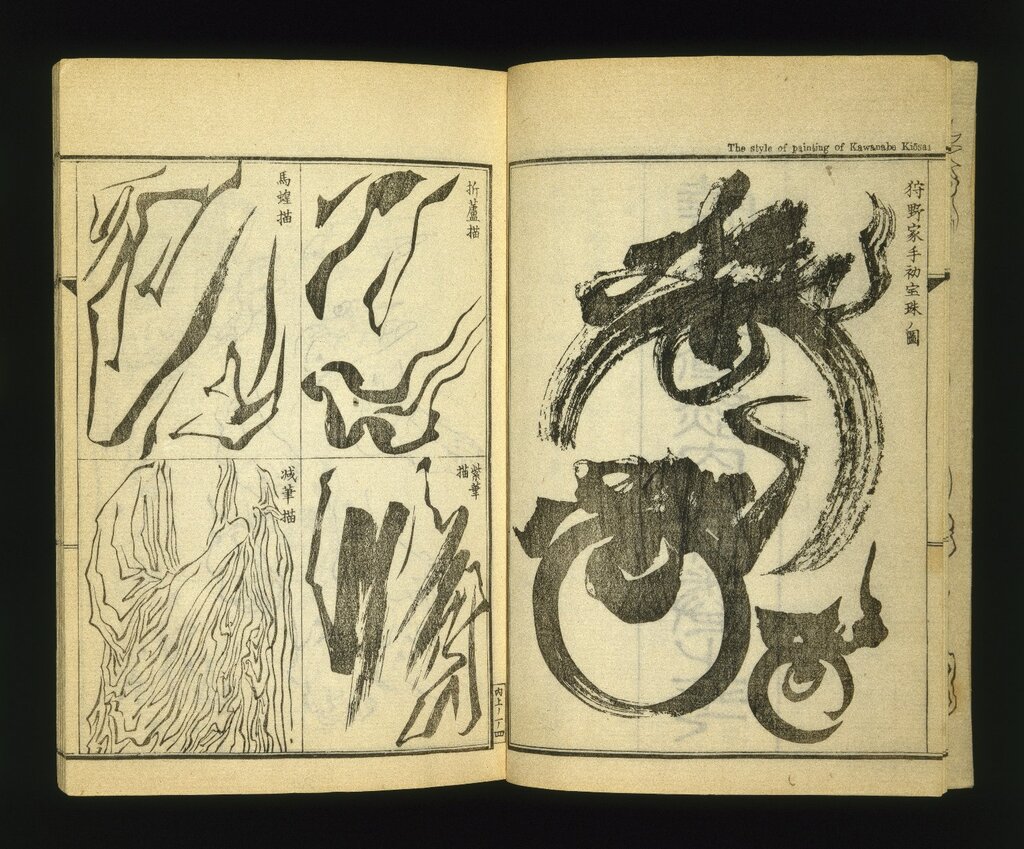
However, modern manga and anime truly took shape after World War II. The artist Osamu Tezuka, often called the "Godfather of Manga," revolutionized the industry. He introduced cinematic techniques, dramatic storylines, and the large, expressive eyes that would become a hallmark of the style. His most famous work, Astro Boy, started as a manga in 1952 and was adapted into a groundbreaking anime series in 1963, setting the stage for everything that followed.
Osamu Tezuka's work transformed manga from a simple children's diversion into a sophisticated storytelling medium.
Cultural Significance in Japan
In Japan, manga and anime aren't just for kids. They are a respected and mainstream form of entertainment for people of all ages. You can find manga for sale in every convenience store and bookstore, covering every topic imaginable.
These stories often reflect Japanese culture, values, and social issues. They explore the pressures of high school, the life of a corporate employee, historical samurai epics, and futuristic sci-fi worlds. This breadth is a key reason for their widespread appeal across different age groups and demographics within Japan. They are an integral part of the cultural fabric, much like novels or blockbuster films are in the West.
A World of Stories
The sheer variety of genres in anime and manga is staggering. While you have the action-packed adventures many people associate with the medium, there's a story for every taste. Let's look at some of the most common categories, which are often named after their target audience.
| Genre | Target Audience | Common Themes |
|---|---|---|
| Shōnen (少年) | Young Boys | Action, adventure, friendship, overcoming challenges |
| Shōjo (少女) | Young Girls | Romance, relationships, emotional growth, drama |
| Seinen (青年) | Adult Men | Complex plots, psychological depth, darker themes |
| Josei (女性) | Adult Women | Realistic romance, everyday life, mature relationships |
Beyond these demographic categories, you'll find all the standard genres you'd expect: fantasy, science fiction, comedy, horror, and slice of life. "Slice of life" is a particularly popular genre that focuses on the mundane, everyday experiences of its characters, finding beauty and meaning in the simple moments.
Ready to check your understanding?
What is the typical relationship between manga and anime?
Unlike most Western comics, what is a defining visual characteristic of most manga when it is published in magazines or collected volumes?
Now that you have a foundational understanding of what anime and manga are and their place in Japanese culture, you're ready to explore their unique artistic styles and narrative structures.