Animation Business and Monetization
Animation Industry Overview
The Animation Boom
Animation is a global powerhouse. Once seen as just Saturday morning cartoons, it's now a massive industry fueling movies, streaming services, video games, and even advertising. The demand for animated content has exploded, turning it into a multi-billion dollar market that's reshaping entertainment.
The numbers are staggering. The global animation market was valued at over $350 billion in recent years, and it's not slowing down. Projections show it growing steadily, with experts forecasting it to surpass $500 billion before the end of the decade. This growth is driven by the constant need for fresh content on streaming platforms and the ever-expanding gaming industry, both of which rely heavily on animation.
Giants of the Industry
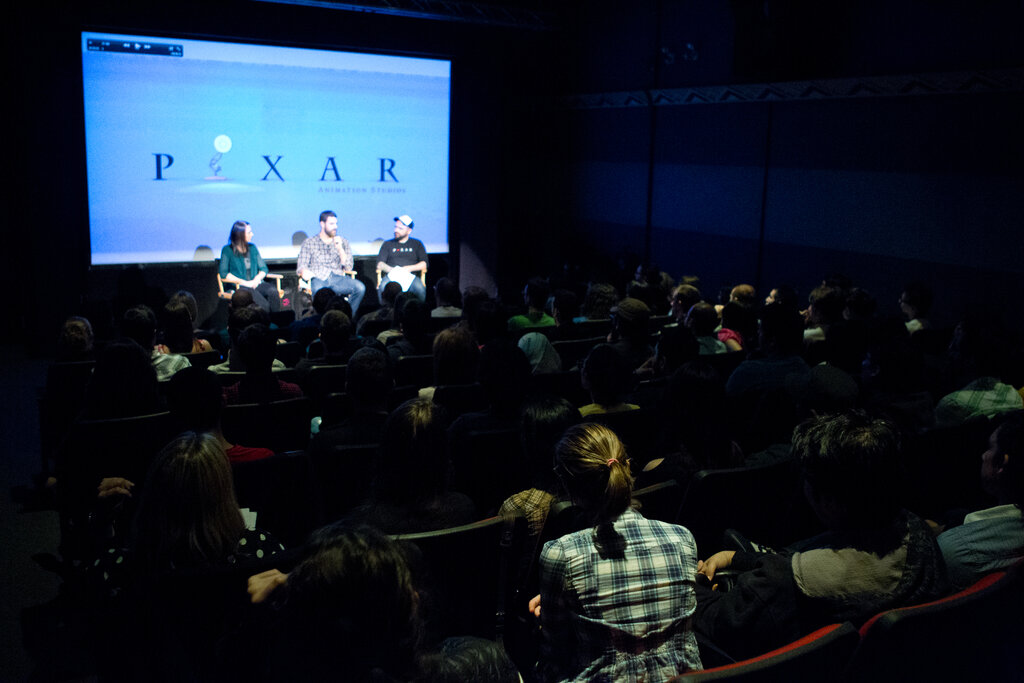
A handful of major studios have long dominated the landscape. Companies like Walt Disney Animation Studios, Pixar, and DreamWorks Animation are household names, consistently producing blockbuster films that define the industry. In Japan, studios like Studio Ghibli and Toei Animation hold similar cultural and economic weight, showcasing the global nature of this creative field. These giants not only create their own content but also set the technological and artistic trends for everyone else.
However, the traditional studio system is being challenged. The rise of streaming services like Netflix, Amazon Prime Video, and Disney+ has created a new class of major players. These platforms are not just distributors; they are now massive content producers, funding and creating a diverse range of animated series and films. This has opened up opportunities for smaller studios and independent creators around the world to get their work seen by a global audience.
Technology's Creative Touch
Technology is the engine of modern animation. The industry has moved far beyond the hand-drawn cells of the past. Today, Computer-Generated Imagery (CGI) is the standard, allowing for breathtakingly realistic or fantastically stylized worlds. But the innovation doesn't stop there.
New advancements are constantly changing how animation is made. Real-time rendering engines, originally developed for video games, now allow filmmakers to see finished-quality shots almost instantly, dramatically speeding up the creative process. Artificial intelligence is also beginning to make its mark, with AI tools helping to automate repetitive tasks like in-betweening (drawing the frames between key poses) and even assisting with character rigging and environment creation.
AI technology is revolutionizing animation, enabling creators to generate stunning visuals with minimal effort.
Beyond the Big Screen
Animation's influence now extends far beyond movies and television. The principles of animation are crucial in user interface (UI) and user experience (UX) design, making our interactions with apps and websites feel smooth and intuitive. The advertising world uses animation to create memorable and eye-catching commercials. Furthermore, fields like medicine and engineering use 3D animation for complex simulations and training materials.
Emerging markets, particularly in Asia, Latin America, and Africa, are also becoming significant contributors. These regions are not only consuming more animated content but are also developing their own unique animation styles and studios, adding fresh voices and stories to the global conversation. The industry is becoming more diverse and interconnected than ever before.
Ready to test your knowledge on the animation industry?
According to industry projections, the global animation market is expected to surpass what value before the end of the decade?
True or False: Streaming platforms like Netflix and Disney+ function only as distributors for content created by traditional animation studios.
From its economic scale to its technological frontiers, the animation industry continues to be a dynamic and rapidly evolving field.