Animal Respiration Explained
Introduction to Respiration
Energy for Life
Every living thing, from a tiny bacterium to a giant blue whale, needs energy to survive. We need it to move, grow, and even think. But where does this energy come from? It comes from the food we eat, through a process called respiration.
Respiration is the chemical process that supplies the body with energy. It unlocks the energy stored in food molecules that all living cells can use.
Think of it like a car. A car needs fuel (gasoline) to run. But the fuel itself doesn't make the car move. The engine must burn the fuel to release its energy. In living things, our food (like the sugar glucose) is the fuel. Respiration is the process our cells use to "burn" that fuel and release its energy. This specific process happening inside our cells is called cellular respiration.
The Main Recipe
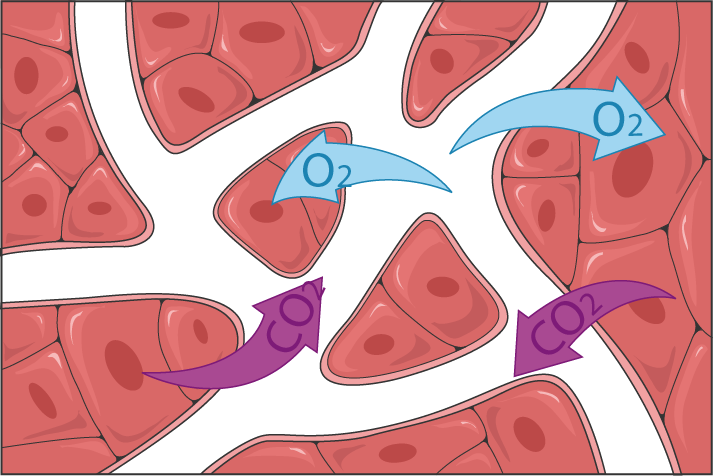
For most organisms, including humans, the main type of respiration needs a key ingredient: oxygen. This is called aerobic respiration. Our cells take glucose, a simple sugar from the food we eat, and combine it with oxygen we breathe in. This chemical reaction breaks down the glucose, releasing a large amount of usable energy. It also produces two waste products: carbon dioxide and water.
The overall chemical equation for aerobic respiration looks like this:
This means that one molecule of glucose plus six molecules of oxygen results in six molecules of carbon dioxide, six molecules of water, and a release of energy. The carbon dioxide is what we exhale every time we breathe out.
What About Without Oxygen?
But what if there's no oxygen available? Some organisms can still release energy from food through a process called anaerobic respiration. This process doesn't require oxygen, but it's much less efficient. It breaks down glucose only partially, releasing just a small fraction of the energy that aerobic respiration does.
A common example of anaerobic respiration happens in our own muscles. When you sprint or lift heavy weights, your muscles work so hard they can't get oxygen fast enough. They switch to anaerobic respiration to get a quick burst of energy. This process produces lactic acid, which is what causes that burning sensation in your muscles.
Yeast is another classic example. When yeast performs anaerobic respiration, a process called fermentation, it produces alcohol and carbon dioxide. This is how we get beer, wine, and the bubbles that make bread rise.
| Feature | Aerobic Respiration | Anaerobic Respiration |
|---|---|---|
| Oxygen Required? | Yes | No |
| Energy Released | High amount | Low amount |
| Main End Products | Carbon Dioxide, Water | Lactic Acid (animals), or Alcohol & CO2 (yeast) |
| Location in Cell | Mitochondria | Cytoplasm |
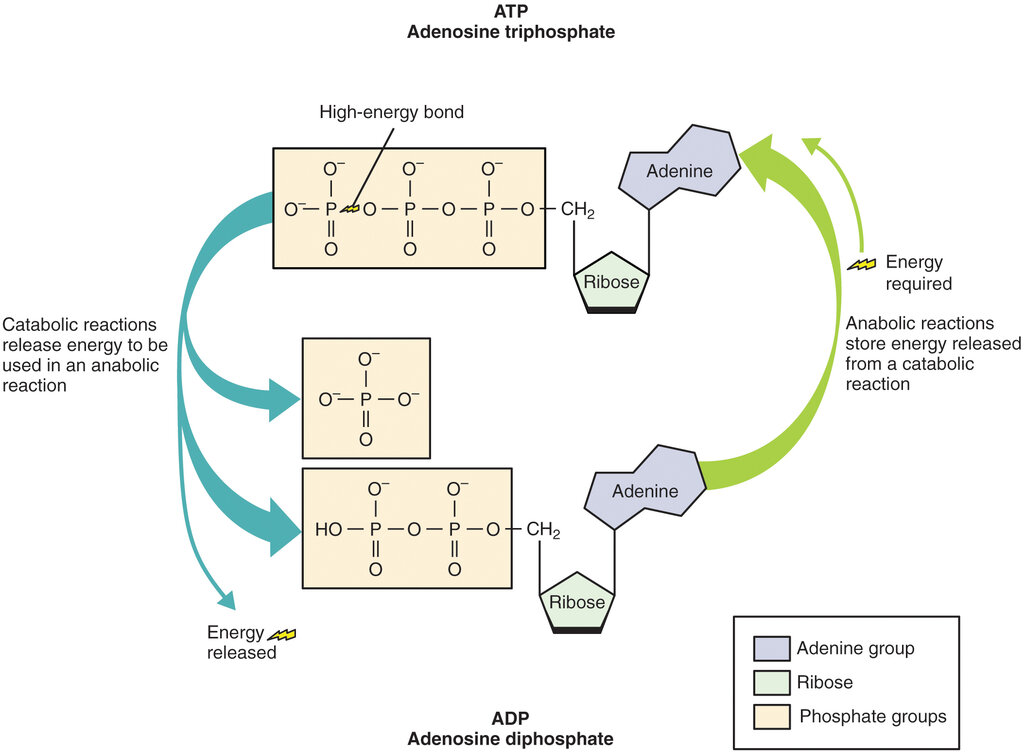
The energy released during respiration isn't just let loose as heat. It's captured in a special molecule that acts like a rechargeable battery for the cell.
ATP
noun
Adenosine triphosphate. The main energy-carrying molecule used to power the vast majority of cellular processes.
When a cell needs to perform a task, it "spends" its ATP, which releases the stored energy. Cellular respiration is the process that constantly recharges these ATP batteries, ensuring the cell has the power it needs to keep living.
Ready to check your understanding of how living things power up?
What is the primary purpose of cellular respiration?
Which of the following are the correct products of aerobic respiration?
Understanding respiration is key to understanding life itself. This fundamental process of converting food into usable energy is a universal feature that connects nearly all organisms on Earth.