Animal Handling Best Practices
Understanding Animal Behavior
Reading the Unspoken Language
Animals communicate constantly, but they rarely use sounds we can understand. Instead, they speak a rich, complex language of posture, tail wags, ear flicks, and eye contact. Learning to read this body language is the single most important skill for anyone who interacts with animals. It's the key to building trust, ensuring safety, and providing compassionate care.
When we misinterpret an animal's signals, we risk causing fear and anxiety. A dog wagging its tail isn't always happy; a cat purring isn't always content. Understanding the nuances of their communication allows us to see the world from their perspective and respond to their needs before they become distressed.
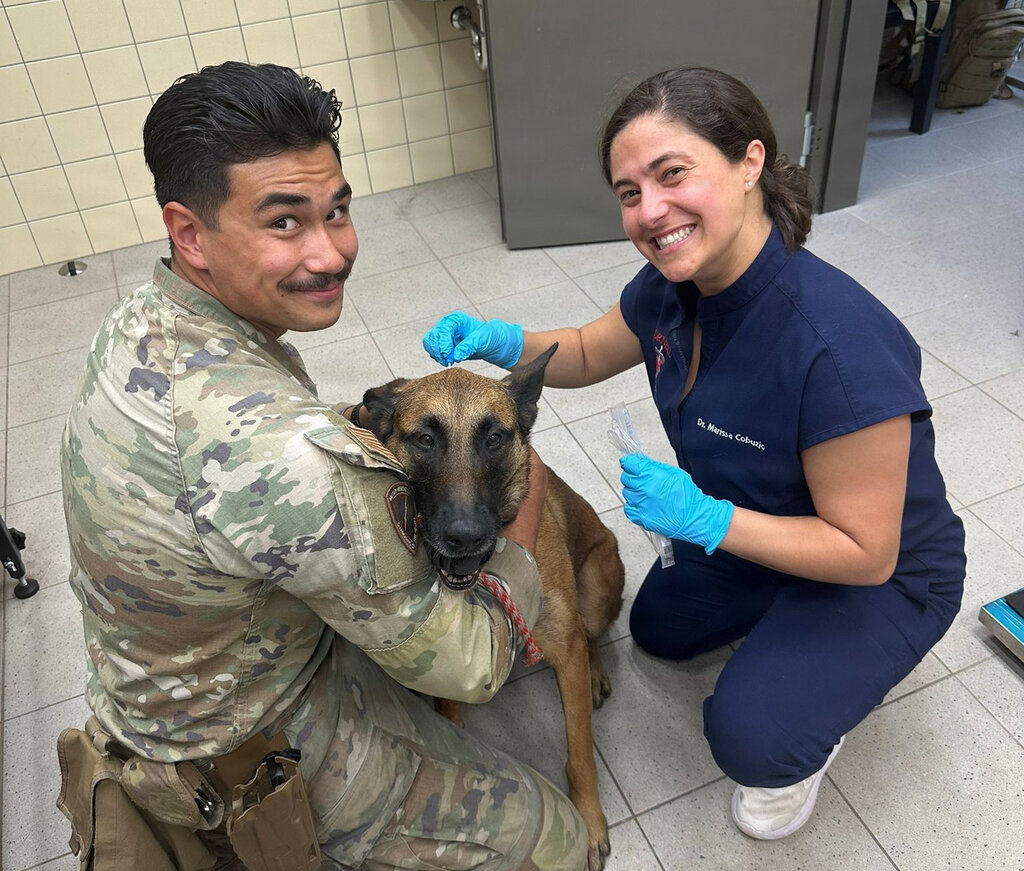
Signs of Stress
Stress is a common response to unfamiliar situations, people, or environments. While a little stress is normal, prolonged or intense stress can lead to behavioral problems and health issues. The earliest indicators are often subtle. An animal might yawn when it isn't tired, lick its lips when there's no food, or suddenly start scratching an itch that isn't there. These are called displacement behaviors, small, out-of-context actions that help an animal cope with rising anxiety.
As stress levels increase, the signs become more obvious. You might notice tense muscles, a tucked tail, or flattened ears. Some animals will try to make themselves smaller to appear less threatening, while others might freeze completely, hoping the perceived threat will pass. Recognizing these signals is crucial because it gives you a chance to change the situation before the animal feels the need to escalate to aggression.
| Stress Signal | Dog | Cat |
|---|---|---|
| Eyes | Whale eye (showing whites), dilated pupils | Dilated pupils, staring |
| Ears | Pinned back, flattened | Turned back or to the side ('airplane ears') |
| Mouth | Yawning, lip licking, panting (when not hot) | Hissing, growling, excessive grooming |
| Body | Tense posture, low/crouched body, tucked tail | Crouched low, tail twitching rapidly or held stiffly |
| Behavior | Pacing, hiding, avoiding eye contact | Hiding, flicking tail, freezing in place |
Ignoring these signs is like ignoring the check engine light in your car. The problem doesn't go away; it usually gets worse. An animal that feels its subtle warnings are being missed may feel it has no choice but to growl, hiss, snap, or scratch to make its point.
An animal's whisper of stress today can become a roar of fear tomorrow. Pay attention to the small signs.
Context Is Everything
A single behavior rarely tells the whole story. Context is the key that unlocks the meaning behind an animal's actions. A dog panting and wagging its tail after a game of fetch is likely happy and tired. That same dog panting and wagging its tail stiffly while a stranger approaches is likely anxious and conflicted.
Always look at the whole animal and the surrounding environment. Are its muscles loose or tense? Are its eyes soft or hard? What is happening around it that might be causing this reaction? By considering the full picture, you can more accurately interpret what the animal is trying to communicate.
This is the foundation of low-stress handling. It’s not about specific techniques, but about a state of mind. It's about observing, understanding, and responding to an animal's needs in real time. When an animal feels heard and understood, it is less likely to feel threatened, making every interaction safer and more positive for everyone involved.
This is the first-ever study aimed to understand how the experiences of interactions with humans in its immediate environment might shape the responses of an animal to humans.
Before we test your knowledge, let's review the key ideas with some flashcards.
Now, let's see what you've learned.
According to the principles of low-stress handling, what is the most critical element in understanding an animal's communication?
A dog that is not tired yawns and suddenly starts scratching an itch that isn't there when a stranger approaches. These behaviors are most likely:
By learning to listen with your eyes, you can build stronger, safer, and more compassionate relationships with animals.