Angus Fletcher's Primal Intelligence Explained
Introduction to Primal Intelligence
The Intelligence You Feel
Beyond logic and reason, there’s another kind of smarts at work. Author Angus Fletcher calls it “Primal Intelligence,” a set of cognitive tools that have guided humans for millennia. It’s the intelligence of your gut feelings, your creative sparks, your emotional responses, and your everyday practical wisdom. This isn’t the kind of intelligence measured by standardized tests. Instead, it's the know-how that helps us navigate the messy, unpredictable realities of life.
Think of traditional, logical intelligence as a calculator. It's precise, analytical, and fantastic for solving problems with clear rules and data. Primal intelligence, on the other hand, is more like a compass. It doesn't give you a perfect calculation, but it provides direction, helps you understand context, and guides you when the path isn't clear. Both are essential, but we often forget to value the compass.
The Four Pillars
Primal intelligence isn't just one thing. Fletcher breaks it down into four key components that work together.
intuition
noun
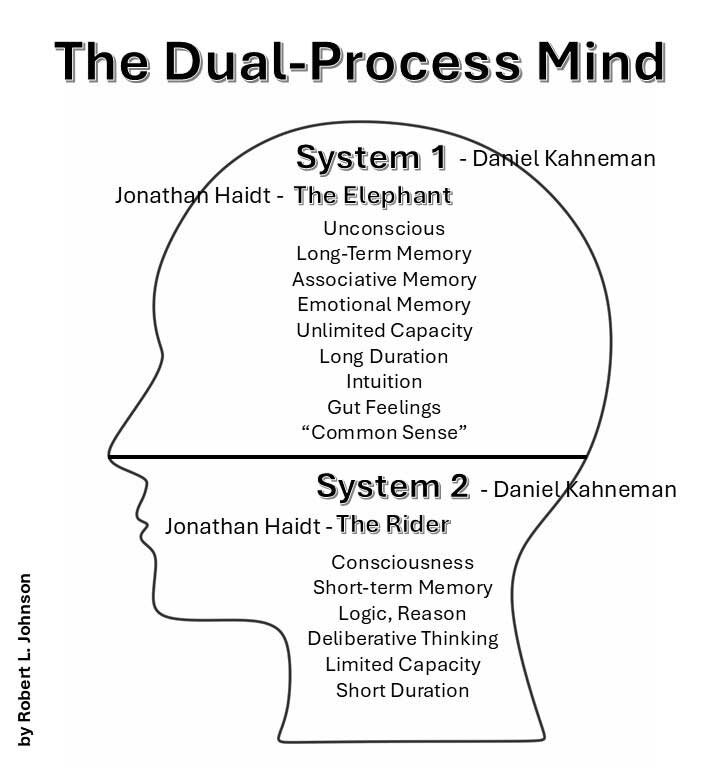
The ability to understand something immediately, without the need for conscious reasoning. It's your brain's powerful pattern-recognition machine working in the background.
Next is imagination. This isn't just for artists and dreamers. Imagination is our ability to create mental models of things that don’t exist yet. It lets us plan for the future, invent new solutions, and empathize with others by picturing ourselves in their shoes.
Every major innovation, from the wheel to the smartphone, began as a flicker of imagination.
Emotions are the third pillar. We're often taught to see emotions as irrational distractions from clear thinking. But in primal intelligence, emotions are valuable data. Fear signals danger, joy indicates a positive outcome, and anger points to an injustice. They provide quick, powerful feedback that helps us make decisions that align with our values and needs.
Finally, there’s common sense. This is the practical, shared wisdom we use to navigate daily life. It’s the unspoken understanding of how the world works, how people behave, and what to do in ordinary situations. It's the intelligence that stops you from trying to fit a square peg in a round hole, both literally and figuratively.
An Ancient Toolkit
Long before algebra or the scientific method, primal intelligence was the key to human survival and progress. Our ancestors used intuition to sense predators, imagination to invent tools, emotional bonds to form communities, and common sense to find food and shelter. The great myths, stories, and works of art throughout history are monuments to this form of cognition.
Recognizing primal intelligence doesn't mean abandoning logic. It means appreciating the full spectrum of our cognitive abilities. In a world increasingly focused on data and algorithms, understanding our primal toolkit helps us stay grounded, creative, and fundamentally human. It reminds us that sometimes, the smartest thing you can do is trust your gut.