Angolan Public Relations Unveiled
Introduction to Public Relations
What is Public Relations?
At its heart, public relations is about managing how an organization is seen by the public. It’s not just about getting good press. It's the careful, strategic process of building and maintaining a positive relationship between an organization and its audience. This audience can include customers, employees, investors, the media, and the community at large.
Public Relations
noun
The professional maintenance of a favorable public image by a company or other organization or a famous person.
The main goals of PR are to create understanding, build goodwill, and influence opinions and behavior. Think of it as the bridge between an organization and the people it wants to reach. A good PR strategy helps ensure the messages crossing that bridge are clear, consistent, and positive.
Public relations is the strategic management function that helps your organization manage its reputation and build a positive connection with the public.
A Quick History
Public relations isn't new. While the term became popular in the 20th century, the practice of influencing public opinion is as old as civilization. Early forms were often simple publicity stunts or press agentry, focused solely on generating attention, sometimes through exaggeration.
The field began to formalize in the early 1900s. Pioneers like Ivy Lee argued that companies should be more transparent and provide accurate information to the press. He shifted the focus from fooling the public to informing them. Later, Edward Bernays, often called the "father of modern PR," applied psychology and sociology to public relations, turning it into a more sophisticated and strategic discipline. He believed in engineering consent by understanding public attitudes and motivations.
Over time, PR has evolved from a one-way broadcast of information to a two-way conversation, especially with the rise of the internet and social media. Today, it’s a critical function for any organization that wants to thrive.
Core Components
Modern public relations is a broad field with many specializations. However, a few key concepts form its foundation.
| Concept | Goal | Key Activities |
|---|---|---|
| Media Relations | To secure positive coverage in news outlets. | Writing press releases, pitching stories to journalists, organizing press conferences. |
| Crisis Communication | To protect an organization's reputation during a negative event. | Developing response plans, acting as the official spokesperson, managing information flow. |
| Reputation Management | To build and maintain a positive public image over the long term. | Monitoring public opinion, engaging with the community, highlighting positive actions. |
These three areas often overlap. For example, good media relations are crucial during a crisis, and successful crisis communication is essential for long-term reputation management. Proactive communication is the thread that ties them all together. It's about anticipating needs and shaping the narrative before someone else does.
Proactive communication isn’t just about reacting to public relations needs; it’s about anticipating them and addressing issues before they become crises.
Playing by the Rules
With the power to influence public opinion comes great responsibility. Ethical considerations are paramount in public relations. The profession relies on trust, and once that trust is broken, it's incredibly difficult to regain.
Key ethical principles include honesty, accuracy, and transparency. A PR professional should never knowingly spread false information. They have a duty to provide the public with the information they need to make informed decisions. This means being upfront about who they represent and what their intentions are.
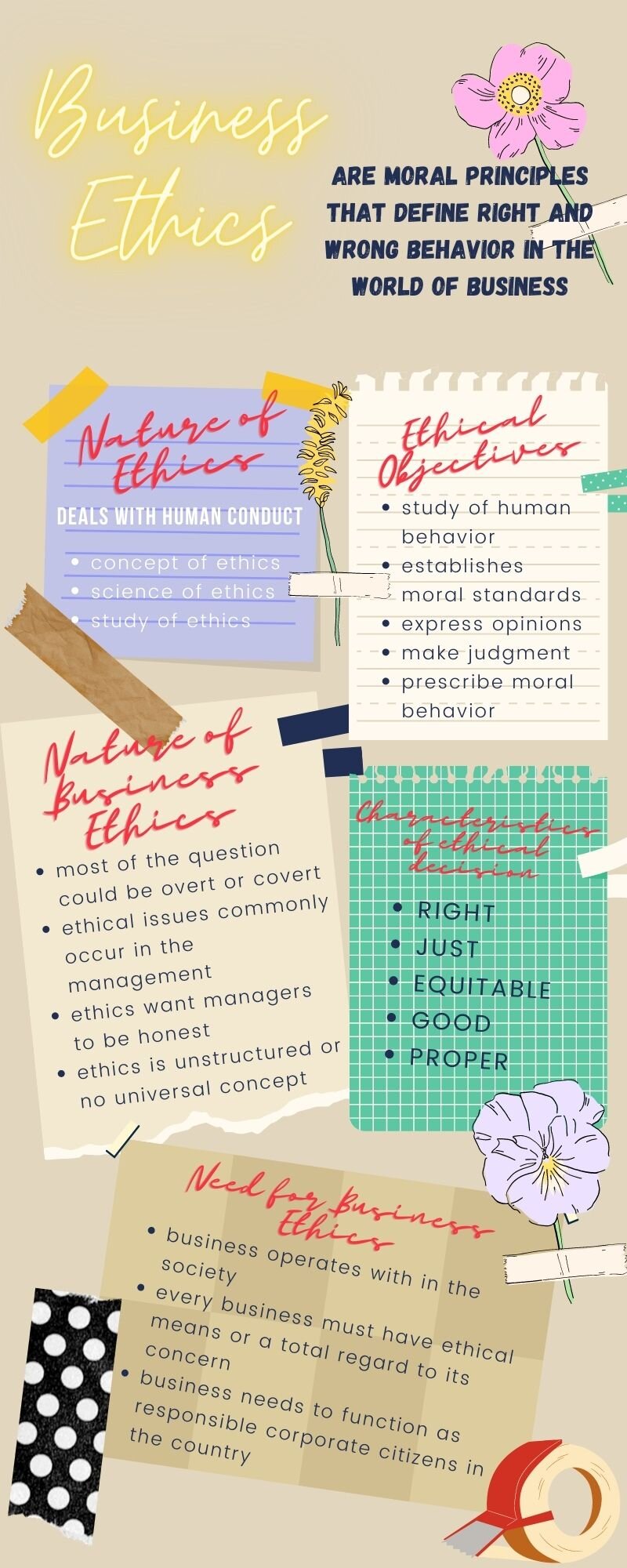
Professional organizations, like the Public Relations Society of America (PRSA), have established codes of conduct that guide practitioners. These codes emphasize values like advocacy, fairness, and independence, ensuring that PR serves the public interest, not just the interests of a client or employer.
Ready to check your understanding? Let's see what you've learned.
What is the core function of public relations?
Which historical figure is known as the 'father of modern PR' for applying psychology and sociology to influence public opinion?
Understanding these foundations of public relations—its purpose, history, key components, and ethical standards—is the first step toward mastering the art of building strong, positive relationships with the public.