Anglican Covenantal Marriage
Biblical Foundations
The First Marriage
The biblical understanding of marriage begins in the book of Genesis, right at the start of the human story. After creating Adam, God says, "It is not good that the man should be alone; I will make him a helper fit for him." This leads to the creation of Eve from Adam's own side, a powerful symbol of partnership and unity.
The narrative culminates in a foundational statement that echoes throughout the Bible. Upon seeing Eve, Adam recognizes her as part of himself, and the text declares the principle for all future marriages.
"Therefore a man shall leave his father and his mother and hold fast to his wife, and they shall become one flesh." (Genesis 2:24)
This verse establishes three core ideas. First, leaving father and mother signifies the creation of a new, primary family unit. Second, holding fast (or cleaving) points to a permanent, unbreakable bond. Finally, becoming "one flesh" describes a holistic union that is not just physical, but also emotional and spiritual. This isn't just a social arrangement; it's presented as the original, built-in design for human relationships.

More Than a Contract
The Bible often describes significant relationships in terms of a covenant, and marriage is the ultimate example. A contract is a transactional agreement between two parties, often based on mutual self-interest. If one party fails to deliver, the contract can be voided.
A covenant, however, is a sacred bond based on solemn promises and steadfast loyalty. It's a relationship of mutual self-giving. In the Old Testament, God makes covenants with figures like Noah, Abraham, and Moses. These covenants were sealed with promises and signs, establishing a relationship that endured even when one party faltered.
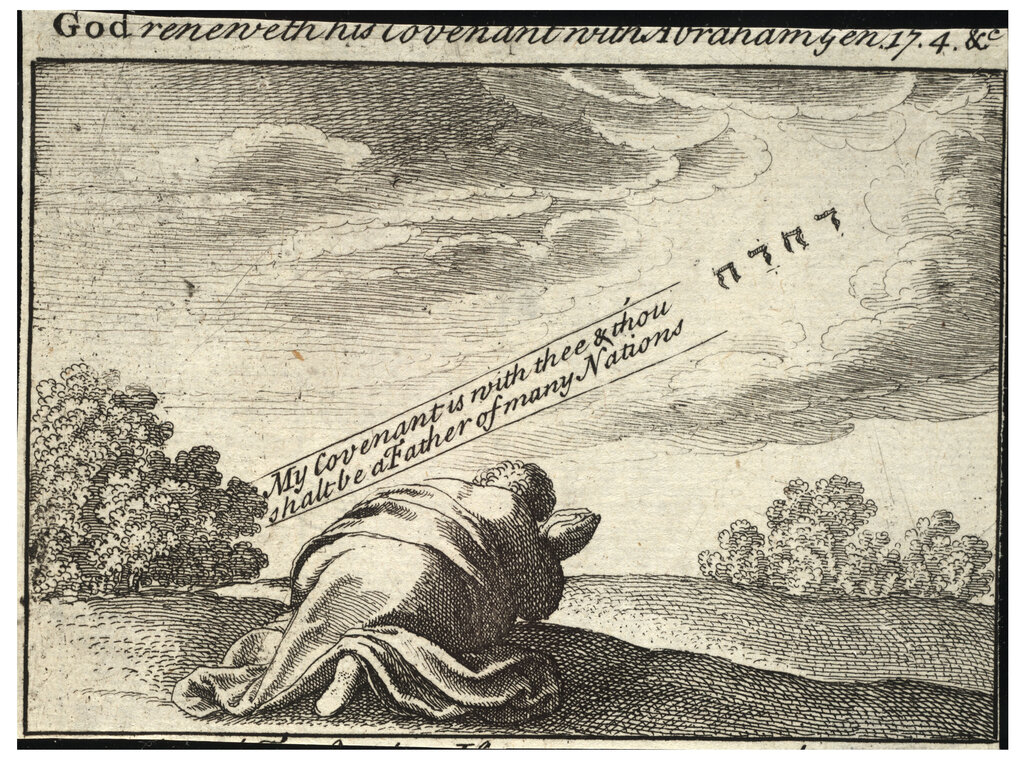
Marriage is viewed through this same lens. It's a covenant made not just between a man and a woman, but also before God. The vows exchanged in a wedding ceremony are the promises that seal this covenant. This framework elevates marriage from a simple legal agreement to a sacred and binding relationship meant to reflect God's own faithful, covenant-keeping character.
The biblical theme of covenant is a dynamic concept, apt to be shaped in different ways in the times of the Old and New Testaments, renewing the fundamental relationship of God with his people in continually changing circumstances.
New Testament Perspectives
The New Testament builds directly on the foundation laid in Genesis. When asked about divorce, Jesus quotes Genesis 2:24 directly, affirming the "one flesh" union as God's original intent and adding, "What therefore God has joined together, let not man separate" (Matthew 19:6). This reinforces the permanence and sacredness of the marriage covenant.
The Apostle Paul expands on the theological significance of marriage, particularly in his letter to the Ephesians. He also quotes Genesis 2:24 but adds a new layer of meaning. He compares the husband-wife relationship to the relationship between Christ and the church.
"Husbands, love your wives, as Christ loved the church and gave himself up for her... This mystery is profound, and I am saying that it refers to Christ and the church." (Ephesians 5:25, 32)
In this teaching, marriage becomes a living picture of the gospel. The sacrificial love a husband is called to have for his wife mirrors Christ's love for his people. The respect a wife is called to show her husband reflects the church's relationship with Christ. Marriage is therefore not an end in itself; it's designed to point to the greater reality of God's redemptive love for the world.
This framework provides the scriptural basis for marriage in the Christian faith. It is presented as a divinely created institution, a sacred covenant, and a powerful symbol of the relationship between Christ and the church.
According to Genesis 2:24, what are the three foundational actions that define the marriage relationship?
How does the biblical concept of a marriage "covenant" differ from a modern "contract"?