Anesthetics: Mechanisms and Practice
Introduction to Anesthetics
The Reversible Silence
Anesthetics are drugs that induce a reversible loss of sensation. Their core purpose is to block the body's ability to process or feel pain, allowing medical procedures to be performed safely and humanely. This state, known as anesthesia, isn't just about pain relief. Depending on the type and dose, it can also involve amnesia (loss of memory), paralysis (muscle relaxation), and loss of consciousness.
The goal of anesthesia is to create the optimal conditions for a medical procedure while ensuring the patient's safety and comfort.
A Brief History of Pain Relief
For most of human history, surgery was a brutal, terrifying ordeal. Pain management relied on crude methods like alcohol, opium, or physical restraint. Surgeons had to work incredibly fast, and the shock and pain were often as dangerous as the procedure itself.

The turning point came in the mid-19th century. On October 16, 1846, a Boston dentist named William T. G. Morton publicly demonstrated the use of diethyl ether to render a patient unconscious for the removal of a neck tumour. For the first time, observers witnessed a patient undergoing surgery without screaming or struggling. The era of modern anesthesia had begun.
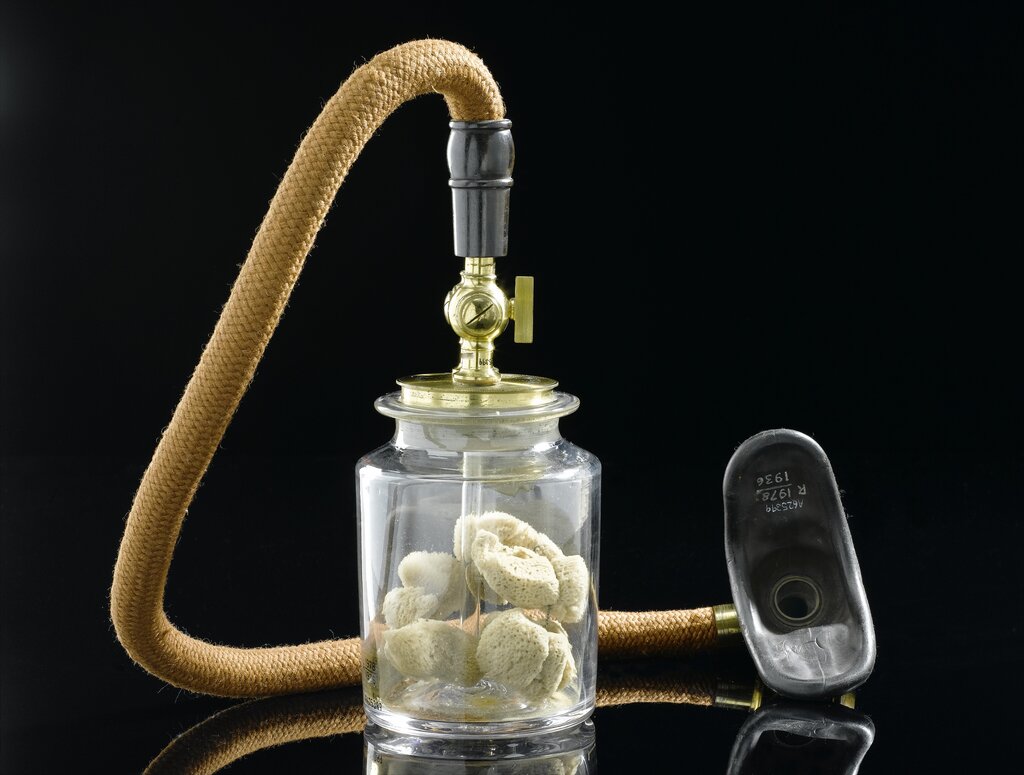
Soon after, in 1847, Scottish obstetrician James Young Simpson discovered the anesthetic properties of chloroform. The development of new agents and techniques accelerated throughout the 20th century, focusing on increased safety, control, and reliability.
Classifying Anesthesia
Anesthesia isn't a one-size-fits-all solution. It's tailored to the patient and the procedure. The main categories are defined by the area of the body they affect and the patient's level of consciousness.
General Anesthesia
noun
A state of controlled unconsciousness, accompanied by a loss of protective reflexes. The patient is completely unaware and feels no pain.
Under general anesthesia, the brain does not process pain signals from the body, and the patient has no memory of the event. This state is induced using either inhaled gases, intravenous drugs, or a combination of both.
Regional Anesthesia
noun
Blocks sensation in a large area of the body, such as a limb or the lower half of the body. The patient may be awake, sedated, or asleep.
This is achieved by injecting local anesthetic near a cluster of nerves, preventing pain signals from that region from reaching the brain. Spinal blocks and nerve blocks for arm or leg surgery are other common examples.
Local Anesthesia
noun
Numbs a small, specific part of the body. The patient remains fully conscious and alert.

| Type | Scope | Consciousness | Example |
|---|---|---|---|
| General | Entire body | Unconscious | Open-heart surgery |
| Regional | Large body area | Awake or sedated | Epidural for labour |
| Local | Small, specific area | Fully awake | Stitching a cut |
Principles of Anesthetic Practice
Modern anesthetic practice is guided by a commitment to patient safety. This involves three key phases: pre-operative assessment, intra-operative management, and post-operative care.
1. Pre-operative Assessment: Before any procedure, the anesthesiologist evaluates the patient's medical history, current health, and the specifics of the planned surgery. This assessment determines the most appropriate anesthetic plan and identifies potential risks.
2. Intra-operative Management: During the procedure, the anesthesiologist's role is to act as the patient's guardian. They administer the anesthetic and continuously monitor vital functions, including heart rate, blood pressure, oxygen levels, and breathing. They adjust anesthetic depth precisely, ensuring the patient remains safely and comfortably anesthetised throughout.
3. Post-operative Care: As the procedure concludes, the anesthesiologist oversees the patient's emergence from anesthesia. They manage immediate post-operative pain, nausea, and any other side effects, ensuring a smooth and safe transition back to consciousness.
This systematic approach, combining careful planning, vigilant monitoring, and attentive recovery, transforms surgery from a hazardous ordeal into a controlled and safe medical intervention.
What event is widely considered the beginning of the modern era of anaesthesia?
Besides blocking pain, what is a key combination of effects that general anaesthesia can induce?
Anesthetics have fundamentally reshaped medicine, making countless procedures possible that were once unimaginable.