Android vs iOS Operating Systems
Introduction to Mobile Operating Systems
The Brains of Your Phone
Every smartphone needs a mobile operating system, or OS. Think of it as the phone's manager. It's the essential software that brings the device to life, handling everything from making calls and sending texts to running your favorite apps. The OS acts as a bridge between you and the phone's physical hardware, like the screen, camera, and processor. It creates the user interface—the buttons, icons, and menus you interact with every day.
Without a mobile OS, your phone would just be a collection of circuits and glass. It wouldn't be able to do anything.
Today, the mobile world is dominated by two major operating systems: Google's Android and Apple's iOS. While they both accomplish the same core tasks, they were born from very different philosophies and have taken distinct paths.
A Tale of Two Systems
Apple's iOS launched first, debuting with the original iPhone in 2007. It was a closed system from the start, designed by Apple to run exclusively on Apple hardware. This approach gives Apple complete control over both the hardware and the software, allowing them to create a seamless, tightly integrated user experience.
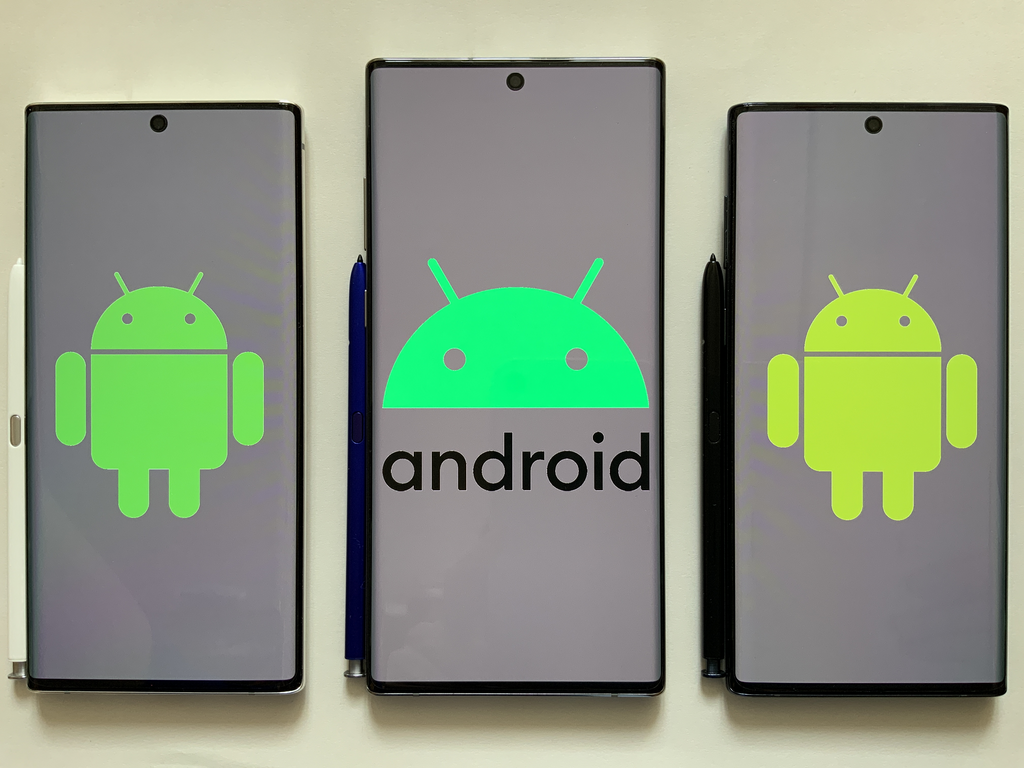
Android appeared a year later. It began as a project by a small startup, Android Inc., which Google acquired in 2005. Unlike iOS, Android was built on the Linux kernel and developed as an open-source platform. Google's strategy was to give the software away to phone manufacturers, allowing companies like Samsung, LG, and Motorola to build their own devices and customize the software as they saw fit.
Market Share and Core Philosophies
This difference in strategy led to the market we see today. Android's open nature means it powers a vast range of devices, from budget-friendly phones to high-end flagships. As a result, Android commands the majority of the global smartphone market share.
iOS, on the other hand, only runs on iPhones, which are premium devices. While its market share is smaller, it's highly concentrated and profitable. The core difference comes down to choice versus control.
Android is about openness and customization. You can choose from hundreds of different phones and personalize everything from the home screen layout to the default apps.
iOS is about simplicity and consistency. Every iPhone works the same way, and Apple curates the experience, from the hardware design to the App Store's strict guidelines. This creates a secure and user-friendly environment, but with fewer options for personalization.
Understanding these fundamental differences is key. For a user, it shapes which device to buy. For a developer or designer, it dictates how an app should be built, what features it can have, and how it should look and feel to meet user expectations on each platform.
What is the primary function of a mobile operating system (OS)?
Which statement best describes the core philosophical difference between Android and iOS?