Ancient Wisdom for Modern Living
Introduction to Ancient Philosophies
Ancient Wisdom for Modern Life
Thousands of years ago, long before smartphones and social media, people asked the same big questions we do today: How can I be happy? What makes a good life? How should I treat others? Ancient philosophy wasn't just an academic exercise; it was a practical guide to living well.
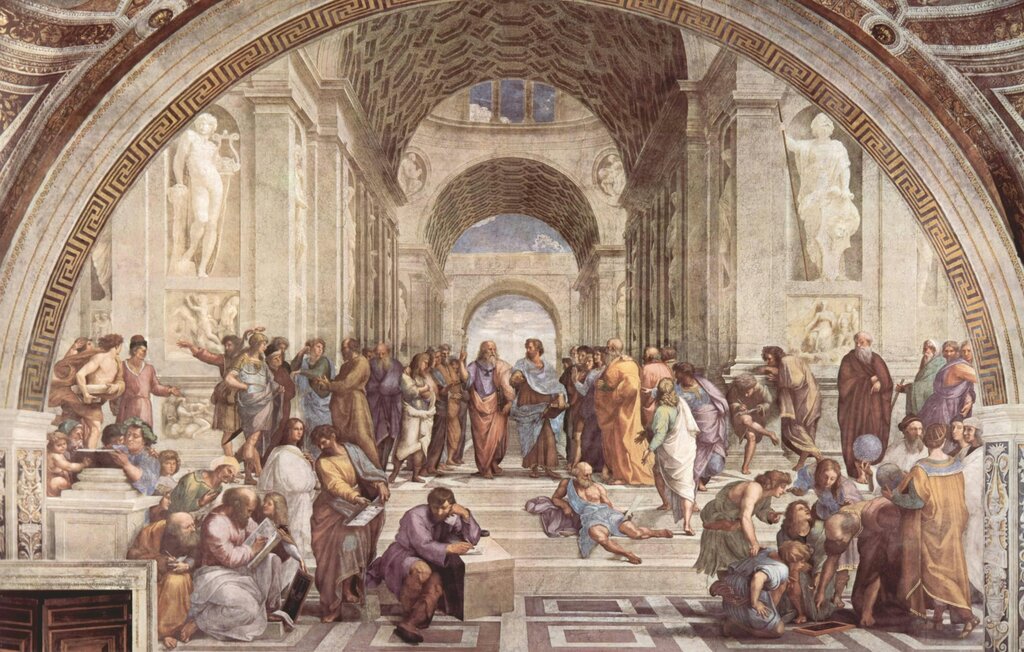
These schools of thought, from Greece to China, offered powerful frameworks for navigating the ups and downs of being human. They weren't focused on abstract theories as much as on the art of living. Let's explore a few of the most influential traditions and their core ideas.
Stoicism The Art of Inner Peace
Founded in Athens by Zeno of Citium, Stoicism became popular with everyone from slaves to the Roman emperor Marcus Aurelius. Its central idea is simple but profound: we can't control what happens around us, but we can control how we respond.
The Stoics taught that the key to a tranquil life is distinguishing between what's in our power—our judgments, attitudes, and actions—and what is not. Health, wealth, and reputation are all outside our direct control. By focusing our energy only on what we can change, we avoid unnecessary frustration and anxiety.
Virtue
noun
For the Stoics, this is the sole good. It means living in accordance with reason and nature, and encompasses wisdom, justice, courage, and moderation.
This doesn't mean being passive or emotionless. Instead, it’s about acting with courage and integrity within the sphere of your control, and meeting the rest with a calm acceptance. It’s a philosophy of resilience.
The Stoic goal is not to eliminate emotions, but to understand them and prevent them from controlling your actions. It’s about being the pilot of your own mind, not a passenger.
Epicureanism The Pursuit of Calm
Epicureanism is one of the most misunderstood philosophies. When we hear the word "epicurean" today, we think of lavish feasts and luxury. The philosophy's founder, Epicurus, would have been horrified. He taught that the greatest good is pleasure, but his definition of pleasure was not about wild indulgence.
For Epicurus, the highest pleasure was ataraxia, a state of serene calmness, free from fear and bodily pain. He argued that the most reliable pleasures are simple ones. Things like friendship, learning, and living a temperate life bring more lasting satisfaction than chasing fame or fortune, which often lead to more stress than they're worth.
Epicureans believed that to achieve this calm, we should limit our desires to what is necessary and natural. By wanting less, we become less vulnerable to disappointment. It's a philosophy of appreciating the simple things and finding joy in tranquility.
Confucianism The Well-Ordered Life
Halfway across the world, in ancient China, Confucius was developing a philosophy focused not just on the individual, but on society as a whole. Confucianism is a system of ethical, social, and political thought that emphasizes harmony, order, and proper conduct.

At its heart are a few key principles. Rén (仁) is often translated as "humaneness" or "benevolence," referring to a deep concern for the well-being of others. Lǐ (礼) refers to ritual, propriety, and etiquette—the customs that create social harmony. Finally, filial piety, or respect for one's parents and elders, is seen as the foundation of a moral society.
Confucius believed that if everyone fulfilled their roles and treated others with respect, from the family all the way up to the emperor, society would be stable and prosperous. It's a philosophy that grounds personal morality in our relationships and social responsibilities.
For Confucius, self-cultivation was essential. By becoming a better person, you contribute to a better family, a better community, and a better world.
These ancient schools of thought provided more than just interesting ideas; they offered actionable blueprints for living. Stoicism gives us a tool for resilience in the face of chaos. Epicureanism reminds us to find happiness in simple, sustainable pleasures. Confucianism highlights the importance of our connections to others.
Though their worlds were vastly different from ours, their core insights into human nature remain as relevant as ever. They show us that the quest for a meaningful life is a timeless human journey.
According to Stoic philosophy, which of the following is within an individual's direct control?
The Epicurean concept of ataraxia is best described as: