Ancient Persia Unveiled
Introduction to Ancient Persia
A Land of Mountains and Plains
Ancient Persia was centered on the vast Iranian Plateau, a region defined by dramatic landscapes. This isn't a land of gentle, rolling hills. It’s a high-altitude expanse ringed by formidable mountain ranges, most notably the Zagros Mountains to the west and the Elburz Mountains to the north.
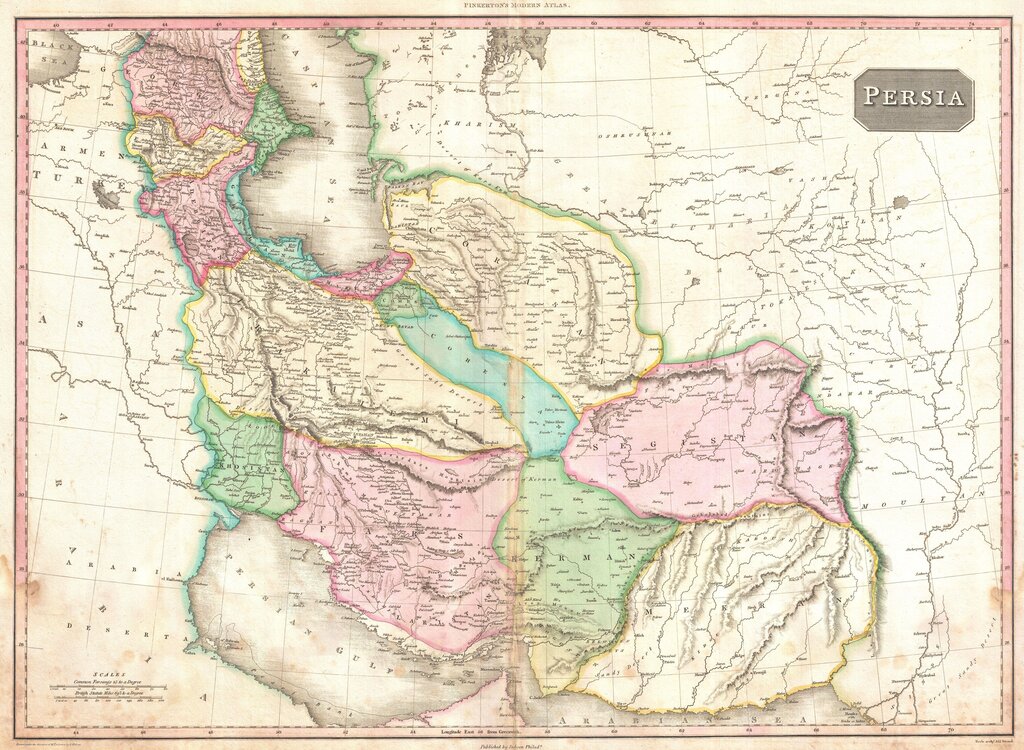
These mountains acted like massive walls, isolating the plateau and funneling travelers through specific passes. They also trapped moisture coming from the seas, leaving the interior arid. The center of the plateau is dominated by two massive deserts, the Dasht-e Kavir (Great Salt Desert) and the Dasht-e Lut (Emptiness Desert). These are some of the hottest and driest places on Earth.
Because of this, life didn't spread out evenly. People clustered in the fertile valleys and plains along the mountain fringes, where rivers and streams provided water for farming and raising livestock. This geography created a patchwork of distinct regions, each with its own local culture, while the mountains provided a natural defense against invaders.
Before the Persians
The Iranian Plateau was not an empty land waiting for the Persians to arrive. It has a history stretching back thousands of years, with complex societies rising and falling long before the great Persian empires.
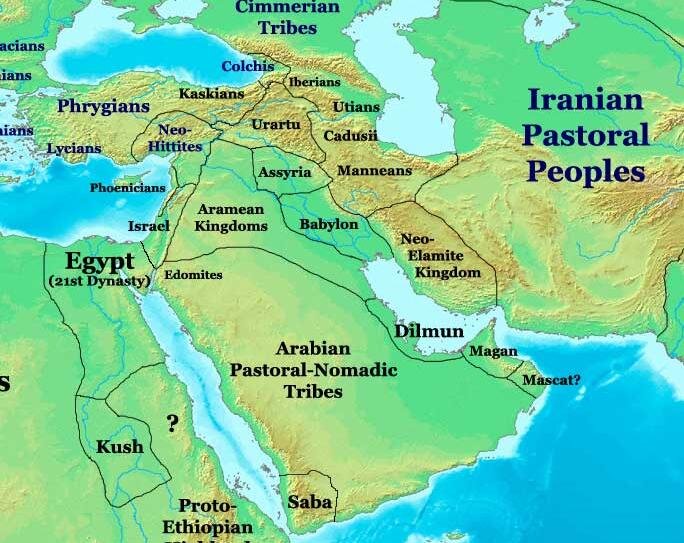
One of the most significant early civilizations was Elam, located in the lowlands of what is now southwestern Iran. The Elamites were contemporaries of the great Mesopotamian civilizations like Sumer and Akkad. Their capital, Susa, was one of the world's oldest cities, a major hub of trade and culture for millennia.
Elsewhere on the plateau and in the surrounding mountains, other kingdoms and peoples flourished. In the northwest, near Lake Urmia, lived the Mannaeans. Further north was the powerful kingdom of Urartu. These groups left behind impressive fortresses and exquisite metalwork, evidence of their wealth and sophistication. They interacted, traded, and fought with the powerful empires of Mesopotamia, like the Assyrians and Babylonians, creating a dynamic and often volatile political landscape.
The region was a crossroads of cultures, influenced by powerful neighbors while developing its own unique traditions.
The Arrival of the Iranians
Around 1500 BCE, a new chapter began. Nomadic peoples speaking Indo-Iranian languages began migrating onto the plateau from the steppes of Central Asia. This was not a single, sudden invasion but a gradual movement of tribes over several centuries. They were pastoralists, skilled in horsemanship and warfare, and they brought their language, customs, and religious beliefs with them.
Two of these groups would become particularly important: the Medes and the Persians. The Medes settled in the northwestern part of the plateau, in the region around the city of Ecbatana. The Persians settled further south, in a land they called Parsa (or Persis), near the old Elamite heartland.
Pastoralist
noun
A person whose way of life is based on the herding of animals like sheep and goats.
For a long time, these newcomers lived under the shadow of established powers like the Elamites and Assyrians. They were organized into loose tribal confederations, often paying tribute to more powerful kings. But they were absorbing the culture of the region, blending their own traditions with those of the people who came before them.
This fusion of the migrating Iranian tribes with the indigenous peoples of the plateau, like the Elamites, was crucial. It wasn't a simple replacement of one culture by another. It was a slow, complex process of mixing and adaptation. Over centuries, a new, distinct Persian identity began to form, built on the foundations of Iranian language and customs and enriched by the ancient traditions of the land they now called home. This identity would soon give rise to one of the world's greatest empires.
Let's check your understanding of these foundational ideas about early Persia.
How did the geography of the Iranian Plateau primarily shape where people settled?
Which early civilization, with its capital at Susa, was a contemporary of the great Mesopotamian civilizations like Sumer and Akkad?
Now you have a grasp of the land and the early peoples who shaped ancient Persia. This set the stage for the rise of the Achaemenid Empire, which would unite this diverse region and change the course of history.