Ancient Egypt Unveiled
Predynastic Egypt
Before the Pharaohs
Long before the first pharaohs built the pyramids, civilization was already taking root along the Nile River. This era, known as the Predynastic Period (roughly 4000–3100 BC), was a time of profound change. For millennia, people in the region had lived as nomadic hunter-gatherers. But as the once-lush Sahara began to dry up, they moved closer to the fertile banks of the Nile.
This move sparked a revolution. Instead of constantly searching for food, people began to settle down. They learned to cultivate crops like wheat and barley and to domesticate animals such as cattle, sheep, and goats. This shift to agriculture created a stable food supply, allowing communities to grow and villages to form. It was the crucial first step toward building the complex society of ancient Egypt.
The Naqada Culture
Archaeologists call the dominant culture of this period the Naqada culture, named after the town where major discoveries were first made. This culture didn't appear overnight; it evolved over centuries, laying the groundwork for everything that followed. We can see this evolution through their crafts, especially their distinctive pottery, which grew more sophisticated over time.
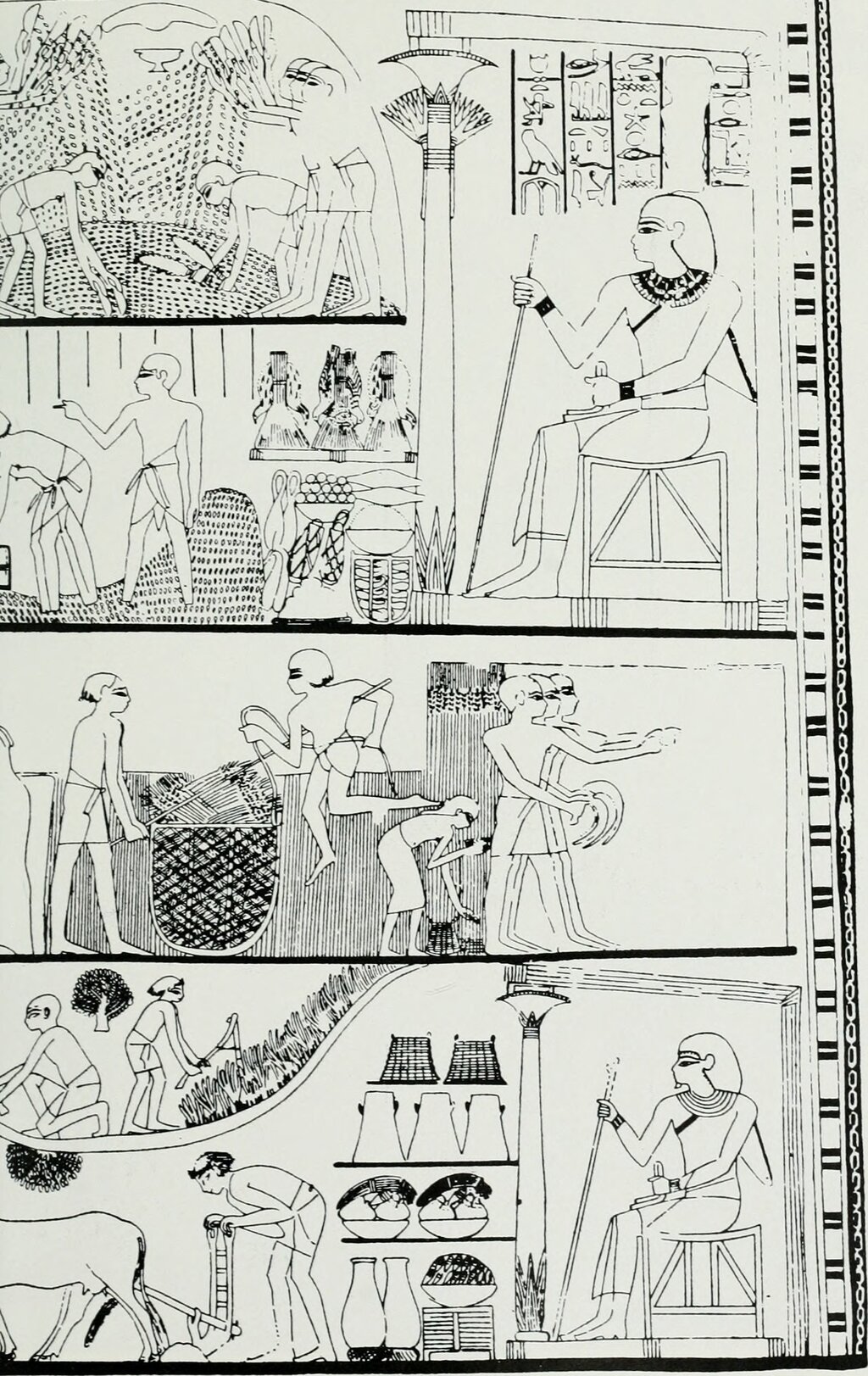
Life in a Naqada village revolved around farming. A food surplus meant not everyone had to be a farmer. Some people became skilled artisans, creating beautiful flint knives, stone vessels, and cosmetic palettes for grinding eye paint. This specialization led to trade between villages and, eventually, to the development of social hierarchies. Some individuals and families accumulated more wealth and power than others, becoming chieftains or local rulers. Society was becoming more complex, with clear distinctions between leaders and common people.
Glimpses of the Afterlife
Much of what we know about the Predynastic Egyptians comes from their cemeteries. They believed in an afterlife and took great care in burying their dead. Typically, a person was placed in a shallow oval pit in the desert sand, laid in a fetal position, and facing west toward the setting sun.
The hot, dry sand had a remarkable effect: it wicked moisture from the body, naturally preserving it. These accidental mummies may have given the Egyptians their first ideas about preserving the body for the journey to the next world.
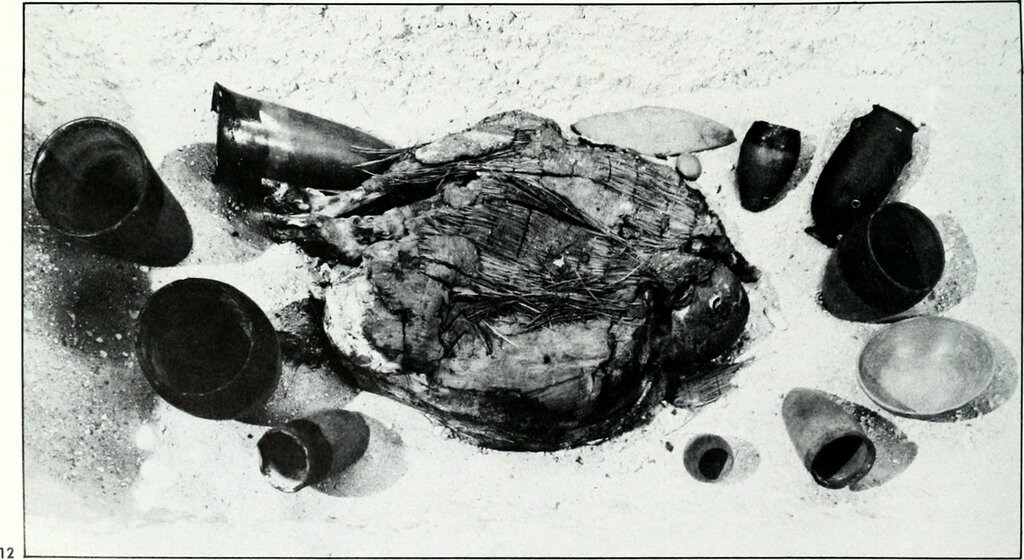
People were not buried empty-handed. They were surrounded by objects they would need in the afterlife: pottery jars filled with food and drink, weapons for protection, and personal items like jewelry and cosmetic palettes. The quality and quantity of these grave goods often reflected a person's social status. An elite member of the community might be buried with finely crafted stone objects and imported materials, while a common person had simpler pottery.
What people were buried with tells us what they valued in life—and what they thought they’d need in the next.
These burials also offer hints about their early religious beliefs. Animal motifs were common on pottery, and some people were even buried with animals like dogs or gazelles. This suggests a deep connection with the natural world and the beginnings of a belief system where animals held symbolic power, a theme that would become central to Egyptian religion for thousands of years.
Let's review the key ideas from this period.
Now, check your understanding of these foundational concepts.
What major environmental change was a primary driver for nomadic peoples to settle along the Nile River, leading to the Predynastic Period?
The development of a food surplus during the Predynastic Period led directly to which of the following societal changes?
The Predynastic period set the stage for a unified Egypt. The developments in farming, social structure, and belief laid a solid foundation for the rise of the pharaohs and one of history's most enduring civilizations.