Analyzing the SanDisk Breakout to 65
NAND Market Dynamics
The Memory Cycle
The NAND flash memory market doesn't move in a straight line. It breathes in and out in a pattern known as the memory cycle. This cycle swings between periods of intense demand and high prices, which encourage massive investment, and periods of oversupply and crashing prices, which lead to production cuts. Understanding where we are in this cycle is key to understanding the valuation of companies like Western Digital and its SanDisk division.
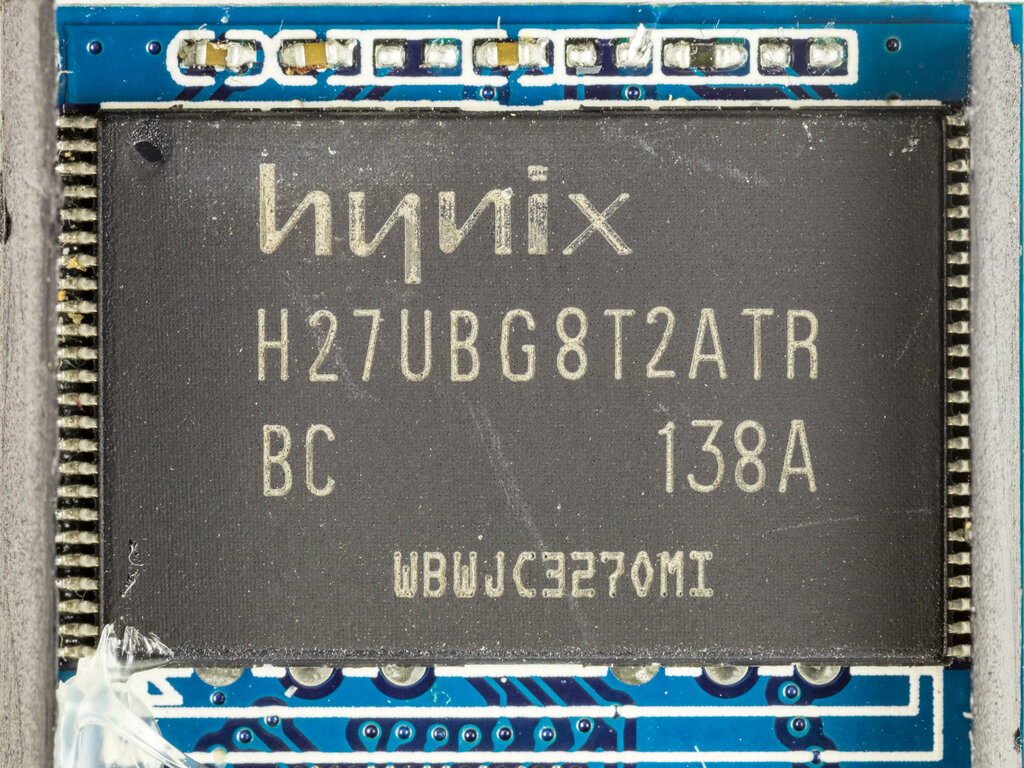
For a while, the market was drowning in chips. An inventory glut caused the Average Selling Price (ASP) of NAND to plummet. In response, major manufacturers like Samsung and SK Hynix dramatically reduced their CAPEX, effectively turning off the supply spigot. This coordinated reduction in spending and production was a deliberate move to end the downcycle and stabilize the market.
Now, the tide is turning. We are moving from a state of oversupply to what analysts call a structural undersupply. The production cuts are taking effect just as demand begins to roar back to life. This deliberate supply constraint, combined with rising demand, creates the perfect setup for a rapid increase in prices and, consequently, profits.
From Glut to Scarcity
The transition from too many chips to not enough isn't accidental. It's a strategic response to market pain. When inventory levels are high across the storage channel—from manufacturers to distributors—prices collapse. To fix this, companies must produce fewer chips than are being sold, a process called inventory normalization. This burns off the excess supply and sets the stage for a recovery.
On the other side of the ledger, demand is waking up. The key catalyst is the [{
Riding the Upcycle
For SanDisk, this environment is a recipe for success. The company's fortunes are tied to two key metrics: bit shipment growth and Average Selling Price (ASP). Bit shipment growth refers to the total volume of memory sold, while ASP is the price per unit.
In a recovery, both metrics improve. SanDisk can sell more memory (higher bit shipments) at significantly higher prices (rising ASP). This combination leads directly to margin expansion—the increase in profit for each dollar of sales. As margins expand, profitability soars, which in turn drives the company's stock price higher.
When disciplined supply cuts meet a rebound in high-value demand, the result is a sharp and sustained rise in prices, directly benefiting NAND producers.
Let's review the key terms we've discussed.
Now, check your understanding of how these concepts fit together.
What is the primary characteristic of the NAND flash "memory cycle"?
Why did major manufacturers like Samsung and SK Hynix recently reduce their CAPEX (capital expenditures)?
The memory cycle is a powerful force. By constraining supply while high-margin enterprise demand returns, NAND manufacturers have set the stage for a period of renewed profitability.