Analyzing the MAGA Slogan
Origins of 'Make America Great Again'
The Story of a Slogan
Political slogans are designed to be short, memorable, and powerful. Few have been as effective or as polarizing as “Make America Great Again.” While it’s most famously associated with Donald Trump, the phrase has a longer history in American politics.
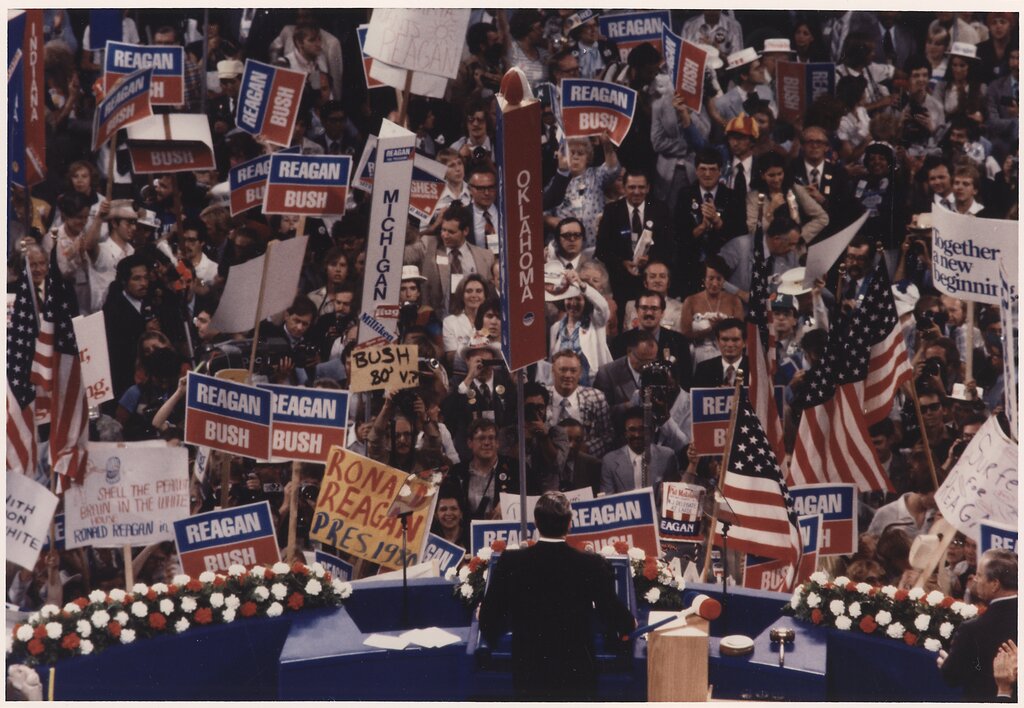
The slogan first entered the national spotlight during Ronald Reagan's 1980 presidential campaign. At the time, the United States was facing significant challenges. The economy was struggling with “stagflation” — a frustrating mix of high inflation and high unemployment. The Iran hostage crisis, where 52 American diplomats and citizens were held captive for 444 days, added to a sense of national unease.
Against this backdrop, Reagan’s campaign aimed to inspire a feeling of renewal and optimism. His slogan was actually “Let’s Make America Great Again.” It tapped into a longing for a return to perceived better times, promising economic recovery and a stronger international standing.
A Modern Revival
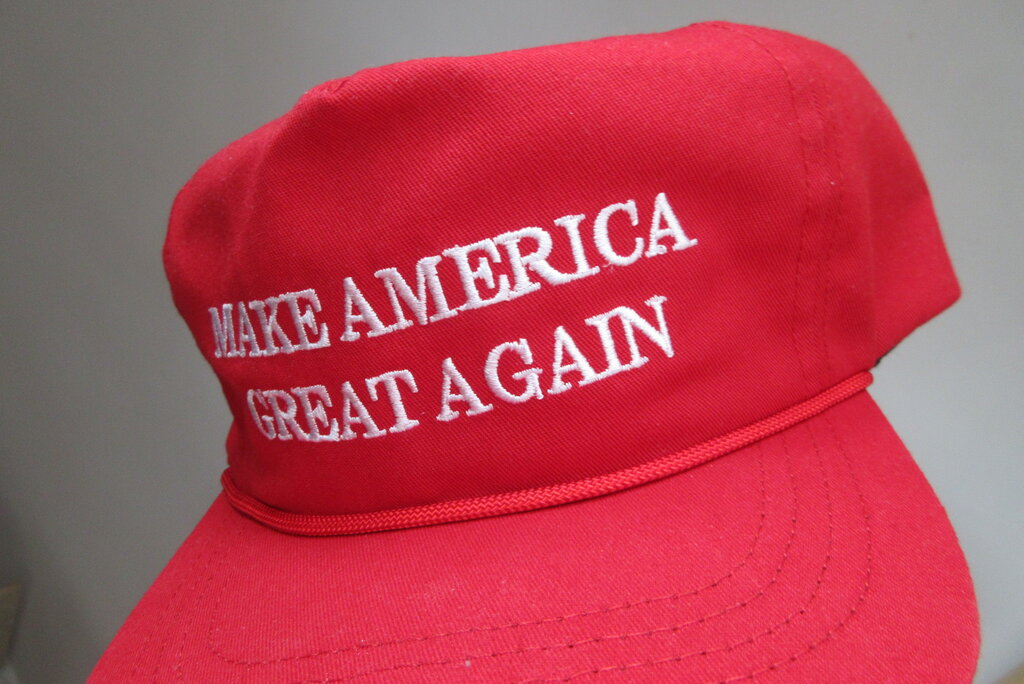
For decades, the slogan remained a piece of political history. That changed in 2015 when Donald Trump made it the centerpiece of his own presidential campaign. He shortened the phrase to “Make America Great Again” and trademarked it.
The context was different, but the appeal was similar. Trump launched his campaign in the years following the Great Recession. Many Americans felt left behind by globalization and economic shifts. His message, like Reagan's, was a promise to restore the country to a former period of strength and prosperity. The slogan was simple, direct, and resonated with voters who felt the nation was on the wrong track.
More Than Words
Under Trump, “Make America Great Again,” or MAGA, evolved from a campaign slogan into a brand for a political movement. It became a shorthand for his populist and nationalist agenda, instantly recognizable to both supporters and opponents.
The power of the slogan lies in its vagueness. It allows people to project their own ideas of America’s “greatness” onto it, whether that means economic dominance, military strength, or a particular set of cultural values.
From Reagan's call for renewal to Trump's populist movement, the phrase has proven to be one of the most enduring and impactful slogans in modern American history.
Let's review what you've learned.
Which U.S. President first used a version of the "Make America Great Again" slogan in a national presidential campaign?
The economic condition known as "stagflation," which characterized the period of Reagan's 1980 campaign, is a combination of high unemployment and what other factor?
And that's the history of a phrase that shaped a political era.