Analyzing Semiconductor Stock Performance Relative to Market Trends
Semiconductor Stock Price Influences
The Forces Behind the Stock Price
The stock price of a semiconductor company isn't just a number on a screen; it's a reflection of a complex web of factors. These companies design and build the tiny electronic brains behind almost every modern device, from your smartphone to the servers powering artificial intelligence. Because their products are so fundamental, their stock performance is sensitive to shifts in technology, global economics, and the intricate dance of supply and demand.
Recent chip shortages and their impacts have highlighted the importance of semiconductors in the global supply chains and how reliant on those our daily lives are.
Understanding these forces is key to making sense of the industry's characteristic volatility. Let's break down the main drivers.
The Global Supply Chain
The semiconductor supply chain is one of the most complex and globalized in the world. A single chip can travel thousands of miles before it's finished. It starts with raw materials like silicon, which are then processed into wafers. These wafers go to specialized factories, called foundries or fabs, where intricate circuits are etched onto them. Finally, they are sent to other facilities for testing and assembly into finished products.
This long and fragile chain is prone to disruption. A natural disaster in one region, a factory fire, or a pandemic can halt production and create a global shortage. Because so few companies can produce the most advanced chips, a problem at a single facility can have ripple effects across the entire tech industry.
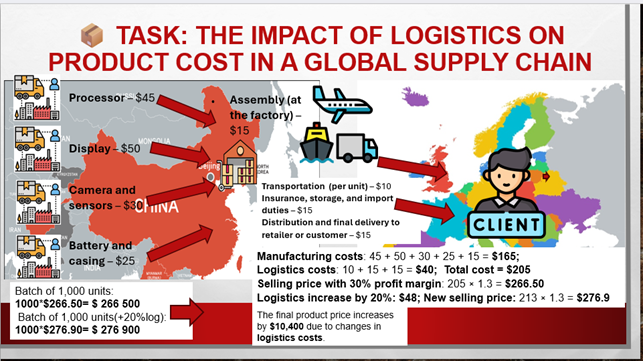
When supply is tight, chip prices rise, which can boost the revenue and profits of semiconductor companies, pushing their stock prices up. Conversely, if a company can't get the parts it needs to make its chips, its production falls, hurting its bottom line and stock value.
Innovation and Demand
Technology in the semiconductor world moves at a blistering pace. Companies are in a constant race to make chips that are smaller, faster, and more power-efficient. A major technological breakthrough can give a company a huge competitive advantage, allowing it to charge premium prices and win major contracts. Investors watch research and development (R&D) closely, and news of a successful new chip design can send a stock soaring.

This innovation is driven by demand. The rise of new technologies like AI, 5G networks, and electric vehicles creates enormous demand for cutting-edge chips. When a new product category takes off, the semiconductor companies that supply its essential components benefit directly.
However, this also makes the industry cyclical. A period of high demand and investment can lead to overproduction. When demand eventually cools, the resulting glut of chips can cause prices to crash, leading to a downturn for the industry.
Bigger Economic Forces
Beyond industry specifics, semiconductor stocks are also swayed by macroeconomic factors. Interest rates are a big one. Chip manufacturing is incredibly expensive; a new fabrication plant can cost billions of dollars. Companies often borrow money for these massive investments. When interest rates rise, borrowing becomes more expensive, which can squeeze profits and discourage expansion.
Global trade policies also play a crucial role. Tariffs, export controls, and trade disputes between countries can disrupt supply chains and limit access to key markets. For example, if one country restricts the sale of advanced chips to another, it can hurt the revenues of companies that rely on those sales.
Because the industry is global, geopolitical tensions can create significant uncertainty for investors, leading to stock price volatility.
These external pressures—from central bank decisions to international relations—add another layer of complexity to valuing semiconductor companies.
Ready to test your knowledge?
What is the most likely immediate effect on a semiconductor company's stock price when the global chip supply becomes tight?
True or False: A period of high demand and heavy investment in the semiconductor industry often leads to overproduction, which can cause a subsequent downturn when demand cools.
By understanding these interconnected factors, you can get a clearer picture of why semiconductor stocks move the way they do.