Analyzing Narrative Stories
Narrative Basics
What Is a Narrative?
At its core, a narrative is simply a story. It’s a sequence of connected events, real or fictional, told by a storyteller to an audience. We are surrounded by narratives every day — in books, movies, news articles, and even in the casual stories we tell our friends about our weekend.
Stories are central to human culture, serving to share ideas, preserve traditions, and foster connections.
Stories aren't just for entertainment. They are a fundamental way that humans make sense of the world. For thousands of years, across every culture, people have used narratives to pass on knowledge, share values, and build communities. When information is presented as a story, it becomes more memorable and emotionally engaging. This is because our brains are naturally wired to look for patterns, cause and effect, and the emotional journey of a character.
The Building Blocks of a Story
While stories can be incredibly diverse, most share a few key ingredients. Understanding these components helps us see how a narrative is constructed and what makes it effective.
Plot
noun
The sequence of events in a story that are causally linked. It's not just what happens, but how and why it happens.
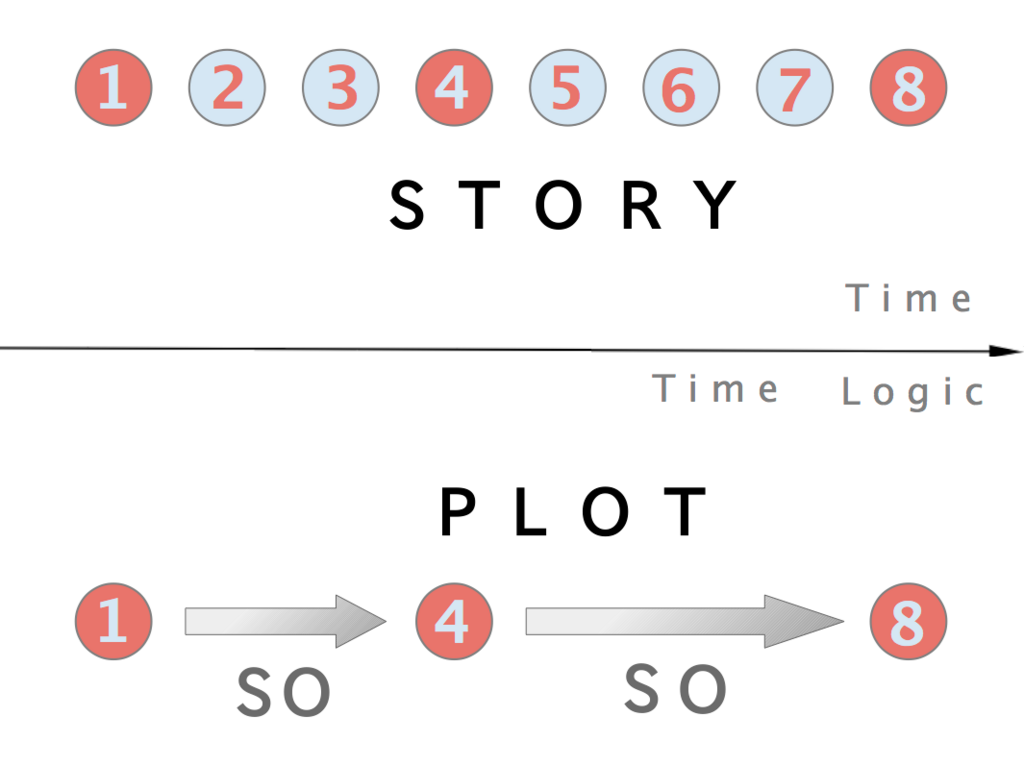
It's helpful to distinguish between the story and the plot. The story is the raw, chronological sequence of events. The plot, however, is the author's deliberate selection and arrangement of those events to create a specific effect. A plot focuses on cause and effect, showing how one event leads to the next.
Next up are the people, animals, or beings who drive the plot forward.
Characters
noun
The individuals who participate in the action of the plot. They have motivations, personalities, and relationships that influence the story.
A story's setting and central conflict provide the context and tension.
| Component | Description |
|---|---|
| Setting | The time and place where the story occurs. The setting can influence the mood, shape the characters' actions, and even become a character in itself. |
| Conflict | The central struggle or problem that the characters must face. Conflict creates tension and drives the plot forward. It can be internal (a character's inner struggle) or external (a struggle against another person, society, or nature). |
Without conflict, there is no story. It's the engine that powers the narrative.
Finding Deeper Meaning
Beyond the basic structure, great stories convey deeper ideas and messages through themes and motifs. These elements elevate a narrative from a simple sequence of events to a meaningful exploration of the human experience.
Theme
noun
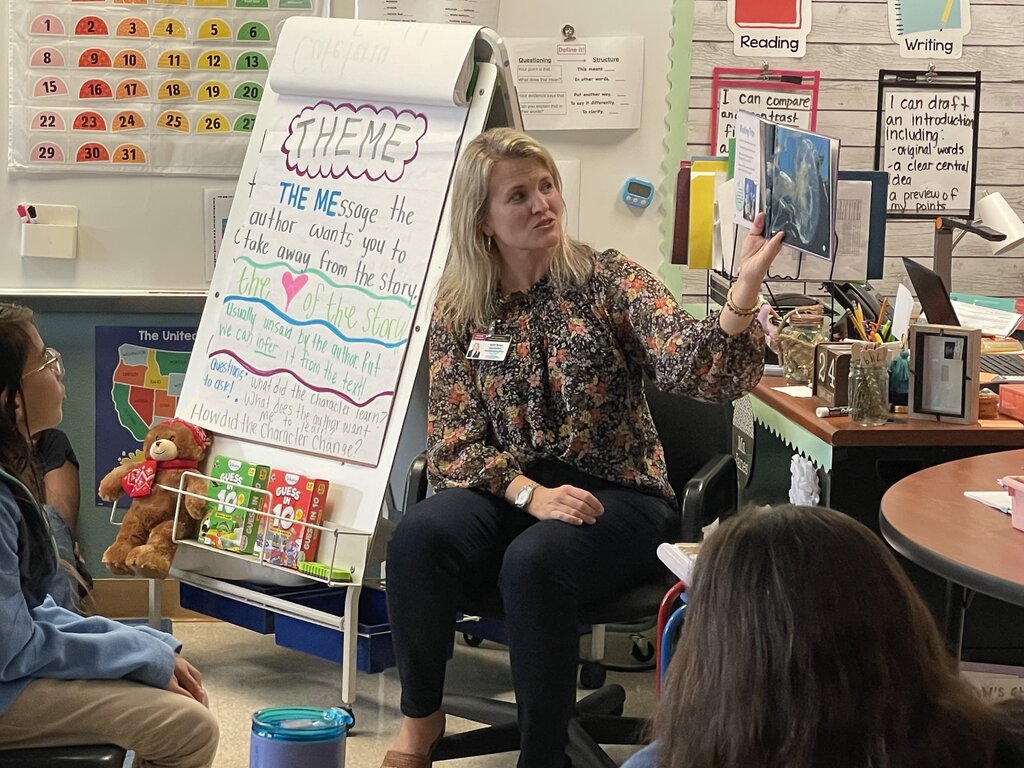
The central idea, message, or moral of the story. It's the underlying insight about life or human nature that the author is trying to express.
Themes are rarely stated directly. Instead, they are revealed through the plot, characters' actions, and the resolution of the conflict. A story can have multiple themes, like love, loss, courage, or the corrupting nature of power.
To reinforce the theme, authors often use motifs.
Motif
noun
A recurring element—such as an image, object, or idea—that has symbolic significance in a story. Motifs help develop and inform the story's major themes.
Think of a story where the weather always turns stormy during moments of conflict. The stormy weather is a motif that contributes to a theme of chaos or inner turmoil. Recognizing these patterns helps unlock the richer layers of meaning in a narrative.
Now, let's test your understanding of these foundational concepts.
What is the key difference between a "story" and a "plot"?
A recurring image, sound, or idea that helps to reinforce a story's main theme is called a ______.
By understanding these basic building blocks, you now have a framework for analyzing any story you encounter, from an ancient myth to the latest blockbuster film.