Analyzing Defense Department Challenges
Understanding Defense Reports
The Blueprint of a Report
Department of Defense (DoD) reports can seem dense, but they almost always follow a logical pattern. Think of them as a pyramid. They start with the most important conclusions at the top and build a foundation of evidence and detail underneath.
This structure ensures that a busy general or member of Congress can grasp the key takeaways quickly, while an analyst can dig into the specifics. Most reports you encounter will contain a few standard sections.
The Executive Summary is the most critical part. It’s a complete, condensed version of the report, covering the purpose, key findings, and recommendations. The Main Body contains the detailed analysis, broken into logical sections. This is where you'll find the evidence supporting the report's conclusions. Finally, the Appendices hold supplementary material, like raw data tables, glossaries of terms, or detailed methodologies.
Speaking the Language
DoD documents are written with precision in mind. The language is formal, direct, and unambiguous. This style ensures that a report written at the Pentagon can be clearly understood at a base halfway around the world. One of the most noticeable features is the heavy use of acronyms and specific terminology.
This isn't jargon for the sake of jargon. In an organization as vast as the DoD, shared terminology is essential for clear and efficient communication.
You'll encounter terms that have very specific meanings within a defense context. Understanding these is key to correctly interpreting a report.
Readiness
noun
The ability of military forces to fight and meet the demands of their assigned mission.
Familiarizing yourself with common acronyms will make reading these documents much smoother. While reports usually include a glossary, knowing a few key ones from the start is helpful.
| Acronym | Stands For | What It Is |
|---|---|---|
| FY | Fiscal Year | The government's accounting year, running from Oct 1 to Sep 30. |
| CONOPS | Concept of Operations | A document describing the 'who, what, where, when, why, and how' of a mission. |
| GAO | Government Accountability Office | An independent agency that investigates how the federal government spends taxpayer dollars. |
| OSD | Office of the Secretary of Defense | The principal staff element of the Secretary of Defense in the exercise of policy development. |
Data with a Purpose
DoD reports are built on data. This information isn't just for show; it's the foundation for decisions, the measure of progress, and a tool for transparency. These reports are created for specific audiences, from military leadership and Congress to government watchdogs and the public.
The purpose dictates the content. A budget request for Congress will be filled with financial projections and justifications. An after-action report from a training exercise will focus on performance metrics and lessons learned. A report on equipment maintenance will include statistics on operational availability and repair costs.
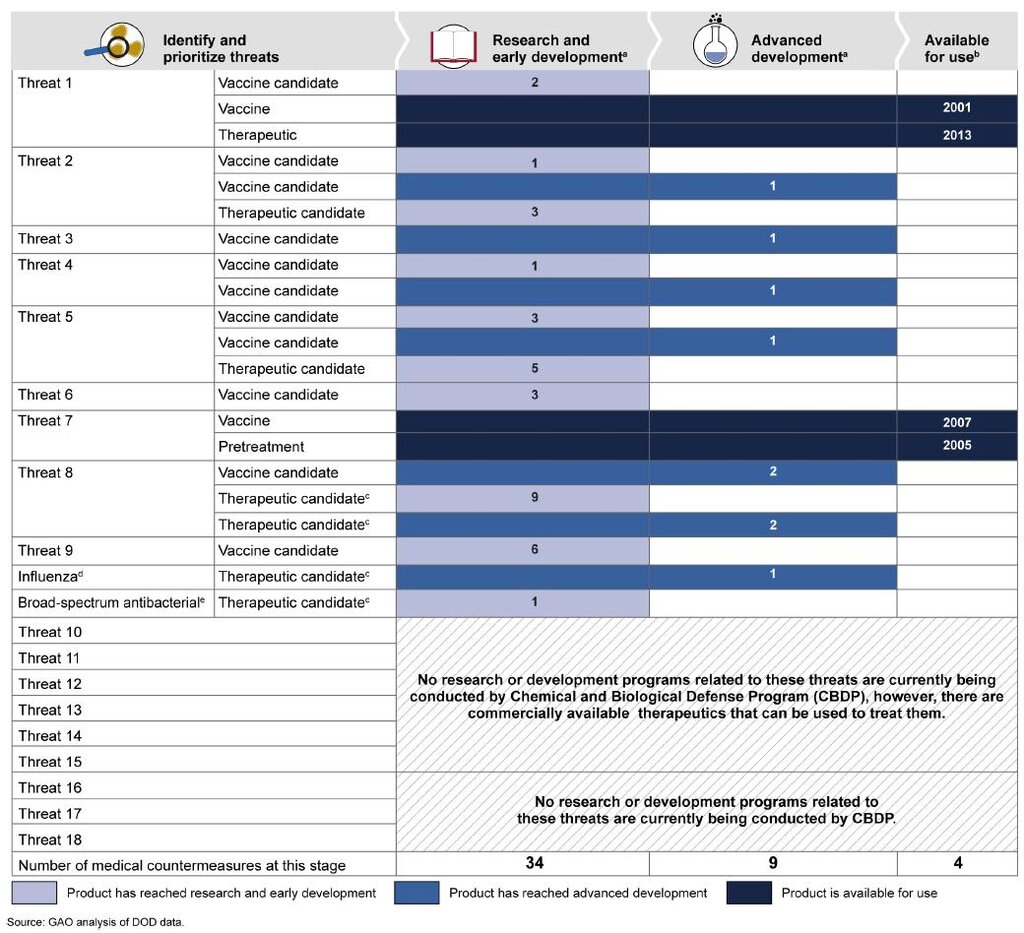
The data presented is meant to inform and persuade. It provides objective evidence to support the report's findings and recommendations. When you read a DoD report, always ask yourself: Who is this report for, and what action is it trying to drive?
Most effective reports follow a simple flow: Purpose, Key Findings, Supporting Details, and Next Steps.
Ready to review? Let's check your understanding of these core concepts.
Now, let's test your ability to apply what you've learned.
Why are DoD reports often structured like a pyramid, with the main conclusions presented at the very beginning?
Which section of a DoD report provides a complete, condensed version of the entire document, including its purpose, key findings, and recommendations?
By understanding the consistent structure, precise language, and data-driven nature of these documents, you now have the tools to navigate any defense report with confidence.