Analyzing Chapters 11-12 of The Boy at the Back of the Class
Close Reading Techniques
Reading Between the Lines
Reading a story is one thing. Understanding it is another. Close reading is the process of looking carefully at a text to see how it works. It’s like being a detective, searching for clues in the author's words, sentence structure, and imagery. The goal isn't just to follow the plot, but to uncover deeper layers of meaning.
Close reading involves careful, purposeful reading of a text multiple times to uncover layers of meaning.
Instead of passively letting the story wash over you, you actively engage with it. You ask questions, look for patterns, and pay attention to the specific choices the author made. Why use that word? Why describe the room in that way? Every detail can be a clue to the story's bigger ideas.
Finding the Big Ideas
Every story has central ideas it explores, called themes. A theme isn't the plot; it's the underlying message about life, society, or human nature. A story might be about a character moving to a new school, but its theme could be about the challenges of friendship or the feeling of being an outsider.
theme
noun
The central topic, subject, or message within a narrative.
To find themes, look for repeating ideas or concepts. Also, watch for motifs. A motif is a recurring object, image, or idea that points toward a theme. If a story repeatedly mentions locked doors, the motif of “locked doors” might support a theme of secrecy or isolation.
A theme is the message. A motif is a recurring element that helps deliver that message.
How the Story is Told
The way a story is put together, its narrative structure, shapes our experience of it. Think about the order of events. Does the story jump back in time? Does it start at the end and work backward? These structural choices affect suspense and our understanding of the characters.
Point of view is also crucial. Who is telling the story? If it's a character in the story (first-person, using “I”), we only know what they know and feel. If it's an outside narrator (third-person, using “he” or “she”), we might get a broader view of events. The narrator’s perspective colors everything we read.
Spotting the Author's Tools
Authors use literary devices to create richer meaning. These are techniques that go beyond the literal meaning of words. Being able to spot them is a key part of close reading.
| Device | Definition | Example |
|---|---|---|
| Metaphor | A direct comparison between two unlike things. | Her voice was music to his ears. |
| Simile | A comparison using "like" or "as." | She is as brave as a lion. |
| Symbolism | When an object or idea represents something else. | A dove often symbolizes peace. |
When you find one of these, don't just identify it. Ask yourself: why is the author making this comparison? What feeling or idea does this symbol evoke? The answers help you understand the text on a deeper level.
Making Your Mark
The best way to do a close reading is to get your hands dirty, so to speak. This means annotating the text as you read. Underline key phrases, circle words you don't know, and jot down notes or questions in the margins. Annotation is a way of having a conversation with the book.
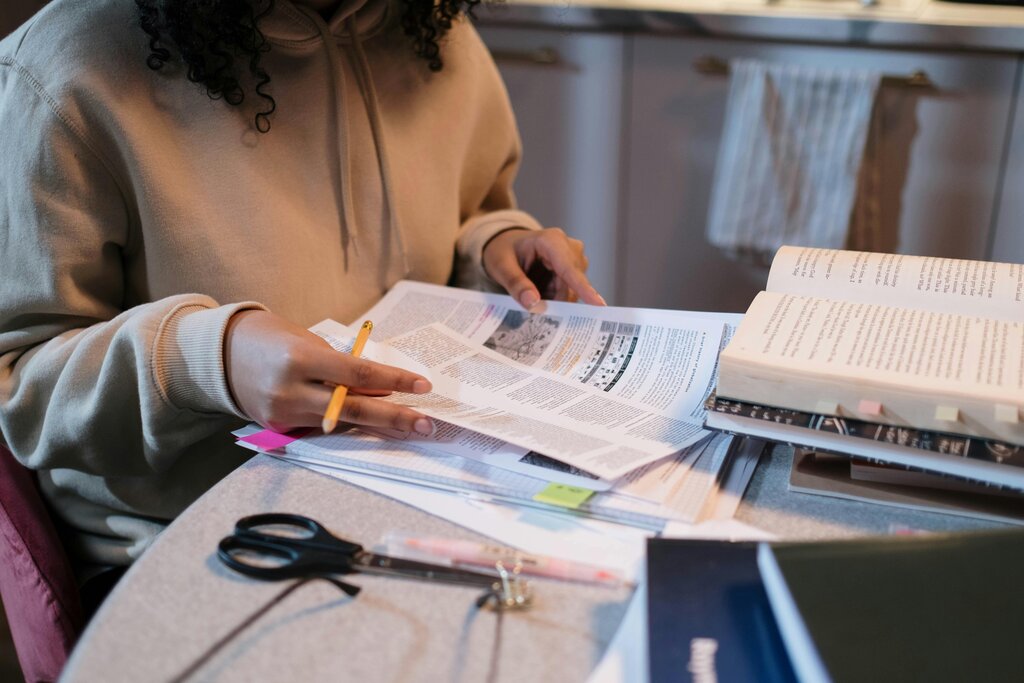
As you read and annotate, constantly ask questions. There are no wrong questions, but here are a few to get you started:
- Why is this character behaving this way?
- What is the mood of this scene, and how does the author create it?
- What does this word choice tell me?
- Is there a pattern I'm noticing?
This curious, questioning mindset is the heart of close reading. It transforms reading from a passive activity into an active exploration.
What is the primary goal of close reading?
In a novel, a character constantly looks at their reflection in mirrors, windows, and puddles. This recurring image is an example of a...