Analyze Employment Contracts for Red Flags
Employment Contract Basics
What is an Employment Contract?
An employment contract is a legally binding agreement between an employer and an employee. Think of it as the official rulebook for your job. It lays out the expectations, responsibilities, and benefits for both parties, creating a clear understanding from the start.
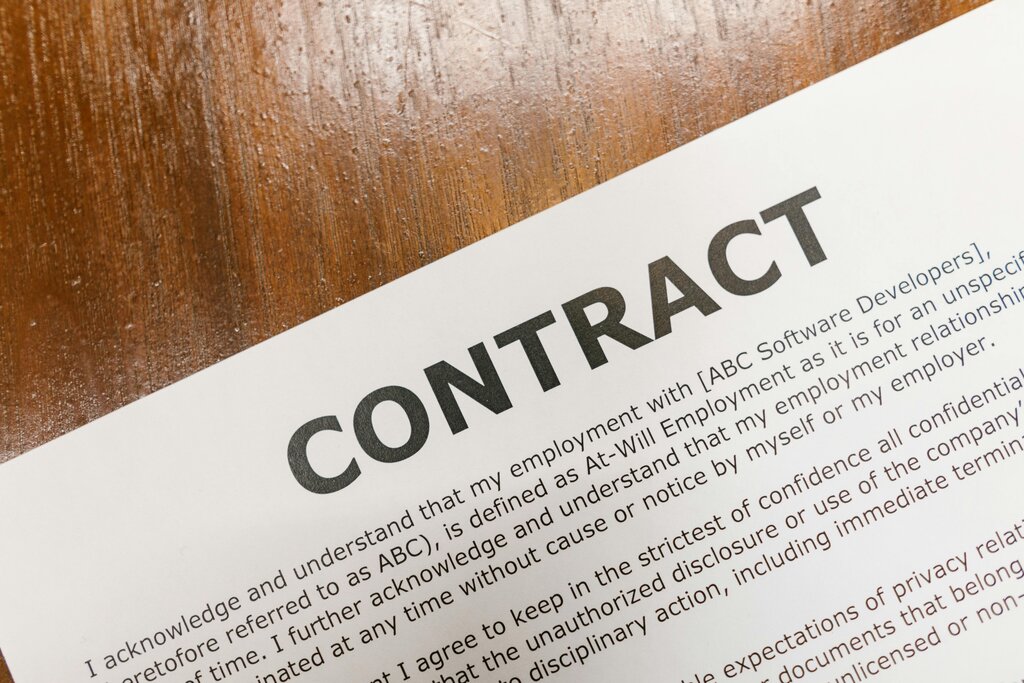
Its main purpose is to define the terms of the employment relationship. This protects you by ensuring your employer follows through on promises about your role, pay, and benefits. It also protects the employer by outlining your duties and company policies. A well-written contract minimizes misunderstandings down the road.
The Core Components
While contracts can vary, most share a few fundamental sections. Understanding these core components will help you read and evaluate any employment agreement you receive.
Let's break down the four most common parts of an employment contract: job responsibilities, compensation, benefits, and termination clauses.
Job Responsibilities
This section describes what you'll actually be doing. It should detail your title, primary duties, and who you report to. A clear, specific job description is crucial. Vague language can lead to "scope creep," where you're gradually assigned tasks far outside your original role and expertise.
Don't settle for a generic description. The more detail, the better. It sets clear expectations and provides a benchmark for performance reviews.
Pro Tip: Request a detailed job description—titles, responsibilities, and success metrics—and have it appended to the contract.
Compensation and Benefits
This is where the contract specifies your pay. It will state your salary or hourly rate, how often you'll be paid (e.g., weekly, bi-weekly), and details on any potential bonuses, commissions, or stock options. Every financial aspect of your compensation should be clearly documented here.
Beyond your direct pay, this section also covers benefits. This includes things like health, dental, and vision insurance, retirement plans like a 401(k), and paid time off (PTO) for vacation, sick days, and holidays. Look for details on when you become eligible for these benefits.
| Category | Details |
|---|---|
| Base Salary | $80,000 annually |
| Pay Schedule | Bi-weekly on Fridays |
| Health Insurance | Eligible on the 1st of the month after hire |
| Paid Time Off | 15 vacation days, 7 sick days per year |
| Retirement Plan | 401(k) with 4% company match after 6 months |
Termination Clauses
This part of the contract explains how the employment relationship can end. It covers scenarios for both the employee and the employer. For you, it will specify the amount of notice you're required to give if you decide to resign, such as two weeks.
For the employer, it outlines the conditions under which they can terminate your employment. This is often divided into two categories: termination "with cause" and "without cause."
Termination with cause usually involves misconduct, like violating company policy or poor performance. Termination without cause means the employer is letting you go for other reasons, such as restructuring or budget cuts.
The contract should explain the consequences for each type of termination, including its effect on final pay, benefits, and any potential severance package. Understanding these terms helps you know your rights if the job comes to an end.
What is the primary purpose of an employment contract?
Why is a specific and detailed job description important in a contract?