Analysing Scientific Research Papers
Strategic Scanning Techniques
Read Papers Faster, Not Harder
Facing a mountain of research papers is a familiar feeling. The traditional cover-to-cover reading approach is not just slow; it's often inefficient. You can spend hours on a paper only to find it’s not relevant to your work. A better strategy is to read with a specific goal in mind: quickly assess a paper's relevance and extract its core message.
Instead of treating a paper like a novel, think of it as a dataset to be queried. Your first goal isn't to understand every detail, but to decide if the paper is worth a deep dive. This requires a structured, multi-stage approach to reading.
The three-pass approach or the triple-pass approach is considered an efficient method for reading academic papers.
The Three-Pass Method
The is a system for dissecting a research paper in stages. Each pass has a different objective, and you may decide to stop at any point. This prevents you from wasting time on irrelevant literature.
The First Pass: The Five-Minute Skim
The goal of the first pass is to get a bird's-eye view. It should take no more than five to ten minutes. You're trying to answer one question: Is this paper relevant to my research?
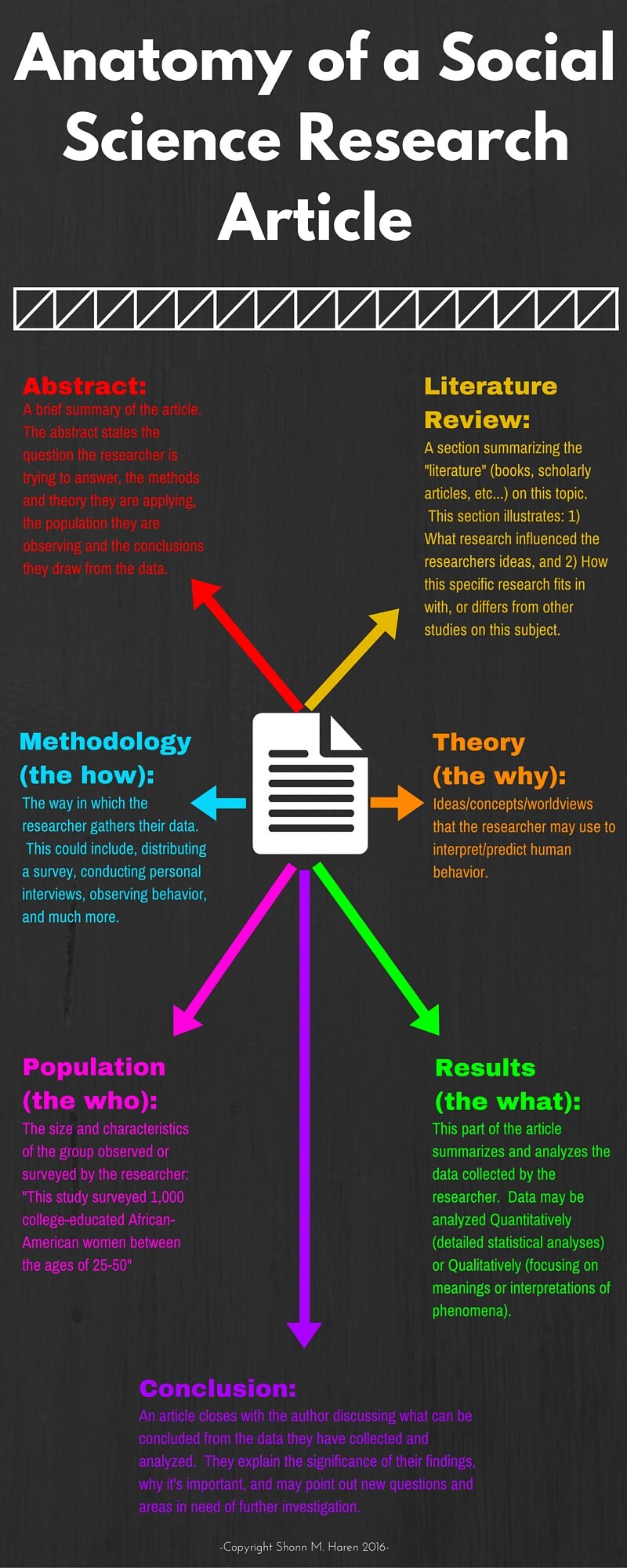
Start by reading the Title and Abstract. These give you a high-level summary. Next, read the Introduction, paying close attention to the research question or hypothesis. Then, jump straight to the Conclusion or the start of the Discussion section. This tells you what the authors found and why they think it matters. Finally, glance at the section headings to understand the paper's structure. At the end of this pass, you should be able to summarise the paper's topic in a sentence or two.
The Second Pass: Grasping the Content
If the paper seems promising, proceed to the second pass. This should take about an hour. Here, your goal is to understand the paper's core contribution without getting bogged down in the methodology. The key is to focus on the visuals.
Carefully examine all figures, tables, and graphs. Read their captions thoroughly. These elements are the heart of the paper; they present the evidence in its most direct form. Authors can sometimes spin a narrative in the text, but the data presented in figures is often a more objective summary. Ask yourself what each figure is showing. What are the main takeaways from the data?
After reviewing the visuals, skim the Results section. You'll already have a good idea of the findings from the figures, so you can move through the text quickly, connecting it back to the data you just saw.
The Third Pass: The Deep Dive
Only a small fraction of papers will warrant a third pass. This is a full, intensive reading that can take several hours. The goal here is to achieve a deep understanding of the work, including its nuances and limitations.
Start from the beginning and read the paper straight through. As you read the methodology, try to mentally re-implement the work. Challenge the author's assumptions and look for flaws in their logic. What choices did they make, and what alternatives did they ignore? How would you have approached the problem differently?
By the end of the third pass, you should be able to summarise the paper's contributions, identify its strengths and weaknesses, and pinpoint potential directions for future work. You'll have moved from a casual reader to an active, critical participant in the scholarly conversation.
Finding the 'So What?'
The most important question to ask of any paper is, "So what?" What is the key takeaway, and why does it matter? Often, the quickest way to find this is to read the Discussion and Conclusion sections first, even before you fully understand the methods.
These sections are where the authors interpret their results and place them in the context of the wider field. They explain what their findings mean and speculate on their implications. Reading this first gives you the
punchline
of the story. With this context, you can then go back and read the Methods and Results with a clearer understanding of what to look for and why the details matter.
This 'conclusion-first' strategy flips the traditional reading order on its head, but it's a powerful way to cut through the noise and quickly identify a paper's core message. You're starting with the destination to better understand the journey.
Now, let's test your understanding of these strategic reading techniques.
What is the primary goal of the 'First Pass' when reading a research paper according to the Three-Pass Method?
During the second pass, which elements of the paper should you focus on most intently to understand its core contribution?
By adopting these strategies, you can navigate the vast sea of academic literature more effectively. You'll save time, improve your comprehension, and become a more discerning reader.