Anaesthesia for MCCQE Part I Success
Introduction to Anaesthesia
Understanding Anaesthesia
Anaesthesia is a state of controlled, temporary loss of sensation or awareness that is induced for medical purposes. It allows patients to undergo surgery and other procedures without the distress and pain they would otherwise experience. It's a cornerstone of modern medicine, making countless life-saving and life-improving operations possible.
The core purpose of anaesthesia is to ensure a patient is safe, still, and free of pain during a medical procedure.
A Brief History
Before the mid-19th century, surgery was a brutal, terrifying, and last-resort option. Patients were awake, held down, and had to endure unimaginable pain. Surgeons prized speed above all else. Early attempts at pain control used alcohol, opium, or even hypnosis, but these were unreliable and often dangerous.
A major breakthrough came on 16 October 1846, at Massachusetts General Hospital. A dentist named William T.G. Morton successfully demonstrated the use of inhaled ether to render a patient unconscious for the removal of a tumour from his neck. The patient famously awoke and declared, "Gentlemen, this is no humbug." This event, known as the "Ether Dome" demonstration, is widely considered the dawn of modern anaesthesia.
Types of Anaesthesia
Anaesthesia is not a one-size-fits-all solution. The type used depends on the procedure, the patient's health, and the preferences of the patient and medical team. The three main categories are general, regional, and local.
General Anaesthesia
noun
A state of medically induced reversible unconsciousness, accompanied by loss of protective reflexes.
This is what most people think of when they hear "anaesthesia." Under general anaesthesia (GA), you are completely unconscious and unaware. It's achieved using a combination of intravenous drugs and inhaled gases. The goal is to produce three key states: unconsciousness (hypnosis), pain relief (analgesia), and muscle relaxation. This ensures you remain still and comfortable throughout the entire operation.
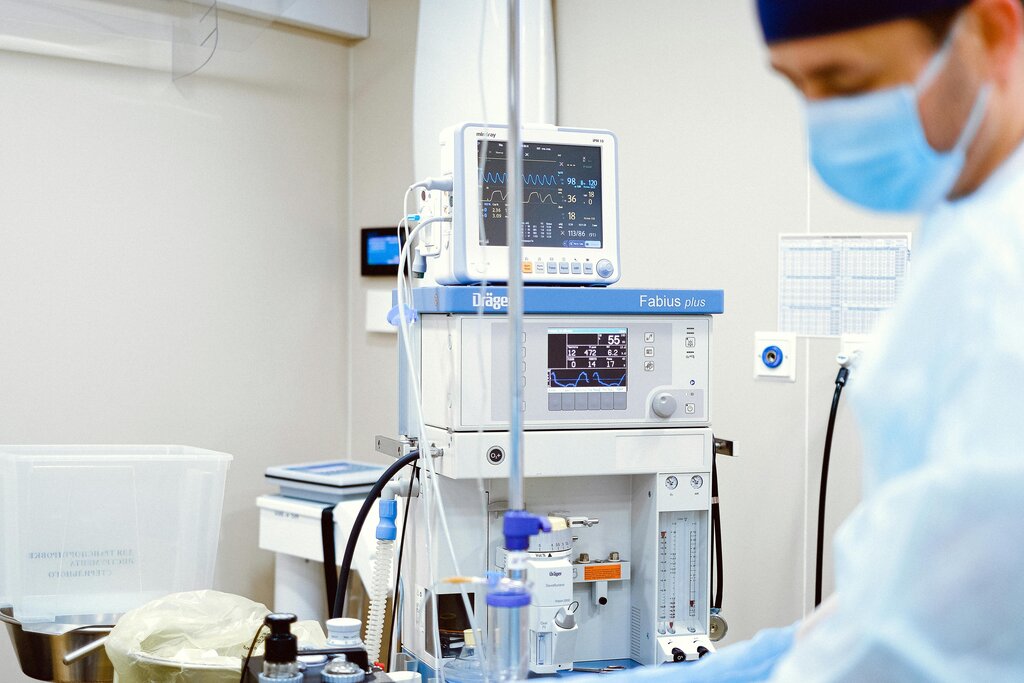
Next, we have regional anaesthesia, which affects a larger part of the body but doesn't require unconsciousness.
Regional Anaesthesia
noun
The loss of sensation in a region of the body, produced by application of an anaesthetic agent to the nerves that supply it.
This technique involves injecting local anaesthetic near a cluster of nerves, numbing a large area of your body, such as an arm, a leg, or the lower half of your body. You remain awake and aware, but you won't feel any pain from the targeted region. Common examples include spinal blocks and epidurals, often used for caesarean sections, and peripheral nerve blocks for surgery on limbs.
Finally, the most targeted type is local anaesthesia.
Local Anaesthesia
noun
Anaesthesia that affects a restricted area of the body.
This involves numbing a small, specific part of the body. It's typically used for minor procedures where you can remain wide awake. The anaesthetic is injected directly into the tissue at the site of the procedure, blocking pain signals at their source. Examples include getting stitches for a cut or having a mole removed.
| Type | Area Affected | State of Consciousness | Example Procedure |
|---|---|---|---|
| General | Entire body | Unconscious | Heart surgery |
| Regional | Large body area (e.g., leg) | Awake or sedated | Knee replacement |
| Local | Small, specific spot | Awake | Dental filling |
The Role of the Anaesthetist
An anaesthetist (also known as an anaesthesiologist in some regions) is a highly trained specialist doctor. Their role extends far beyond simply putting patients to sleep. They are responsible for the safety and well-being of the patient before, during, and after surgery.
An anaesthetist is the patient's guardian angel in the operating theatre, managing their vital functions moment by moment.
Key responsibilities include:
- Preoperative Assessment: Evaluating the patient's medical history to create a tailored anaesthetic plan and ensure they are fit for surgery.
- Intraoperative Management: Administering the anaesthetic and continuously monitoring the patient's heart rate, blood pressure, breathing, and other vital signs throughout the procedure. They make constant adjustments to keep the patient stable.
- Postoperative Care: Managing the patient's recovery immediately after surgery in the post-anaesthesia care unit (PACU), focusing on pain management, breathing, and stabilising their condition.
- Pain Management: They are experts in managing acute and chronic pain, both in and out of the operating theatre.
- Critical Care: Many anaesthetists also work in intensive care units (ICUs), managing critically ill patients.
Now, let's test your understanding of these foundational concepts.
What was the substance successfully demonstrated by William T.G. Morton on 16 October 1846, ushering in the modern era of anaesthesia?
A patient requires stitches for a deep cut on their forearm. They need the immediate area to be numb, but they will remain fully awake and alert. Which type of anaesthesia is most appropriate for this procedure?
These fundamental principles form the basis of anaesthetic practice. Understanding the types of anaesthesia and the critical role of the anaesthetist is the first step toward mastering this vital medical specialty.